The Edge Blog · Market Trends & Insight · July 1, 2024 · 7 min read
Climate Resilience in Commercial Properties: Designing for Extreme Weather
The warehouse with inventory destroyed by flooding. The office building rendered unusable for weeks after a hurricane . The retail center that lost power for days during an extreme heat wave. These scenarios once seemed like…
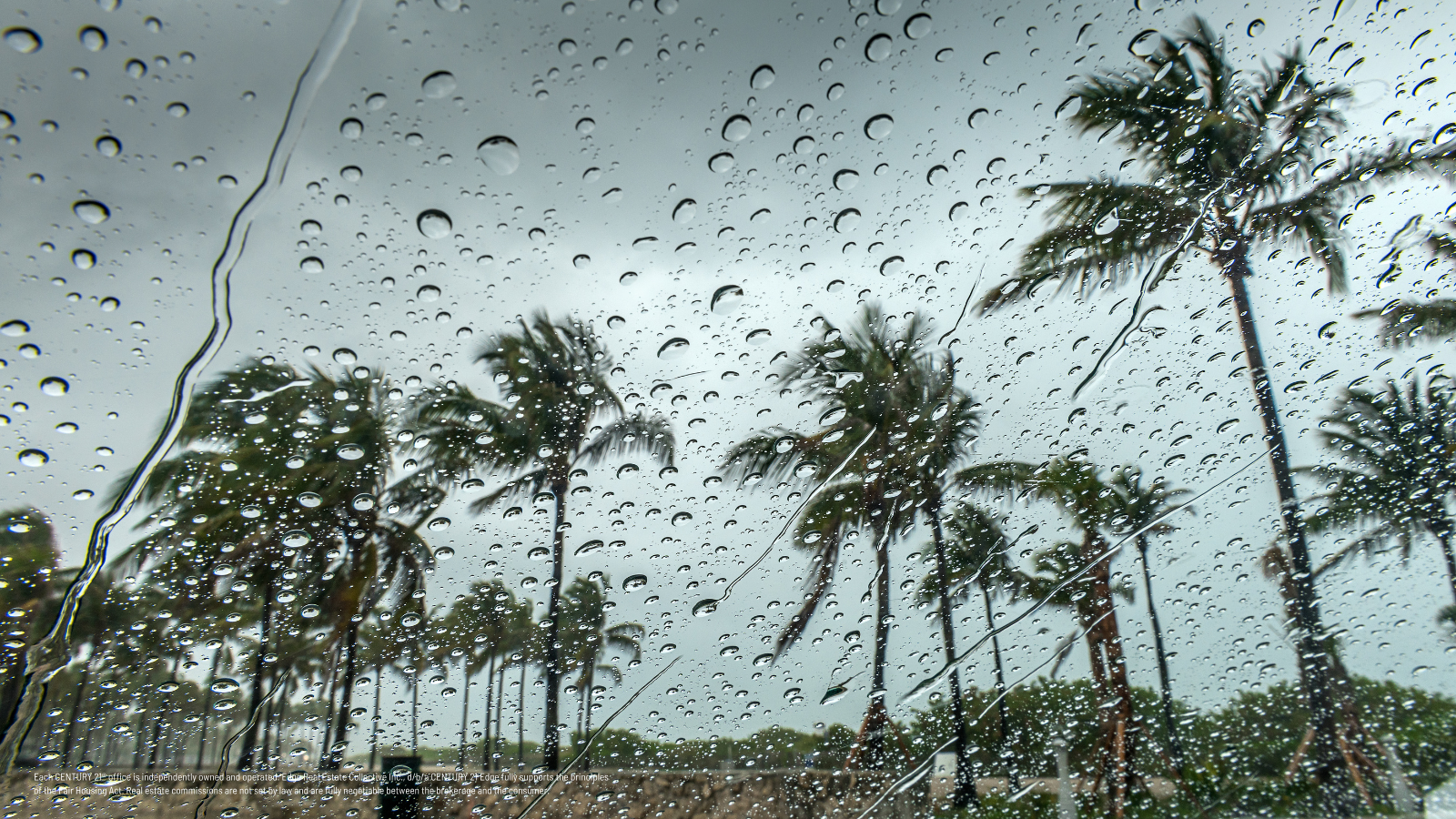
The warehouse with inventory destroyed by flooding. The office building rendered unusable for weeks after a hurricane. The retail center that lost power for days during an extreme heat wave. These scenarios once seemed like rare catastrophes, but in today's changing climate, they've become recurring challenges for commercial property owners nationwide.
Climate resilience—the capacity to anticipate, prepare for, respond to, and recover from extreme weather events—has transformed from an environmental talking point into a fundamental business imperative. For commercial real estate investors, developers, and owners, integrating resilience measures now represents not just responsible stewardship but essential risk management.
The Business Case for Climate Resilient Design
The financial implications of climate vulnerability extend far beyond immediate repair costs after disasters. They encompass business interruption losses, insurance premium increases, financing challenges, and potential asset devaluation in high-risk areas.
According to The Urban Land Institute, properties with demonstrated climate resilience increasingly command premium valuations, while vulnerable assets face growing "climate risk discounts" in many markets. This valuation gap will likely widen as climate impacts intensify and investor awareness grows.
Insurance markets are already responding decisively to changing risk profiles. Commercial property insurance premiums have risen dramatically in disaster-prone regions, with some carriers withdrawing coverage entirely from the highest-risk areas. Properties with documented resilience measures increasingly secure preferential rates and coverage terms compared to vulnerable neighbors.
Lenders similarly factor climate vulnerability into underwriting decisions, with leading institutions implementing climate risk assessments for commercial mortgages. Properties in high-risk areas without adequate resilience measures increasingly face higher interest rates, lower loan-to-value ratios, or even financing unavailability.
Beyond these market forces, regulatory requirements increasingly mandate resilience considerations. Many jurisdictions have updated building codes to address specific regional climate threats, while disclosure requirements about climate vulnerabilities grow more common for commercial transactions.
Regional Vulnerabilities: Different Threats Demand Different Solutions
Climate resilience isn't one-size-fits-all. Effective strategies must address the specific threats facing each property's location, which vary dramatically across regions.
Coastal areas face rising sea levels and intensifying hurricane threats, requiring elevation strategies, storm-resistant building envelopes, and backup systems for critical functions. Even properties not directly on the waterfront may face flood risks from storm surge or overwhelmed stormwater systems.
Wildfire-prone regions need defensible space strategies, non-combustible building materials, and sophisticated HVAC systems with advanced filtration to maintain air quality during smoke events. Strategic landscaping decisions become particularly crucial in these vulnerability zones.
Drought-affected regions benefit from water-efficient fixtures, rainwater harvesting systems, and drought-tolerant landscaping that minimizes irrigation demands. Properties in these areas increasingly implement water recycling systems for non-potable uses like cooling tower operation and landscape irrigation.
Regions experiencing extreme heat events require high-performance building envelopes, efficient cooling systems with redundancy measures, and exterior designs that minimize heat island effects. Cool roofs, strategic shading, and high-efficiency glazing help maintain comfortable interior conditions while minimizing energy consumption.
Areas facing extreme precipitation need robust stormwater management systems, permeable paving solutions, and water-resistant building materials at lower levels. Bioswales, retention basins, and green infrastructure can transform flood vulnerability into amenity opportunities when thoughtfully designed.
Building Envelope: Your First Line of Defense
A building's envelope—its walls, roof, windows, and doors—constitutes the primary boundary between controlled interior environments and increasingly volatile exterior conditions. Resilient envelope design must balance multiple, sometimes competing considerations.
Wind resistance has become increasingly crucial as extreme storm events intensify. Impact-resistant glazing, reinforced roof connections, and strategic building geometries that minimize wind loading can dramatically improve performance during hurricanes and severe storms. According to industry experts, every dollar invested in exceeding minimum wind-resistance code requirements saves six dollars in damage costs over a building's lifetime.
Thermal performance addresses both everyday energy efficiency and resilience during power outages. Well-insulated, air-tight envelopes with high-performance glazing maintain comfortable conditions longer during HVAC system interruptions, extending "passive survivability" during grid failures from hours to days.
Moisture management capabilities have gained importance as precipitation patterns intensify. Properly detailed water barriers, drainage planes, and vapor management systems prevent water intrusion while allowing assemblies to dry when wetted. These seemingly technical details can determine whether a severe storm causes minor inconvenience or catastrophic damage.
Durability under extreme conditions often depends on material selection. Fiber cement siding, metal roofing, and similar resilient materials typically carry higher initial costs but deliver superior performance during extreme weather while requiring less maintenance throughout their extended lifespans.
Systems and Operations: Ensuring Continuity Through Disruption
Beyond the physical structure, a building's mechanical, electrical, and plumbing systems determine its functional resilience during and after extreme weather events.
Power resilience has become paramount as grid disruptions increase. Backup generators provide traditional emergency power, but more comprehensive approaches incorporate microgrids with on-site renewable generation and battery storage. These systems can maintain critical functions indefinitely during extended outages while reducing everyday energy costs through peak shaving and demand management.
HVAC resilience extends beyond backup power to include system redundancy, zoning capabilities that prioritize critical areas, and designs that maximize passive operation during power interruptions. Natural ventilation provisions, thermal mass utilization, and passive solar design principles can maintain habitable conditions even with limited mechanical system operation.
Water system resilience addresses both supply interruptions and potential contamination events. On-site water storage, treatment capabilities, and non-potable backup supplies enable continued operation during municipal service disruptions. Backflow prevention and monitoring systems protect building occupants during water quality emergencies.
Communication and control system resilience ensures continued building operation even when external networks fail. Local backup servers, redundant control systems, and manual override capabilities prevent smart building technologies from becoming vulnerabilities during network disruptions.
Site Planning: Working With, Not Against, Nature
Beyond the building itself, site design significantly influences climate resilience. Forward-thinking developers increasingly embrace "designing with water" rather than fighting it—creating landscapes that accommodate occasional flooding while protecting structures and critical infrastructure.
Stormwater management approaches have evolved from simply moving water away as quickly as possible to integrated systems that capture, slow, and filter precipitation. Detention basins, bioswales, rain gardens, and permeable paving create "sponge" properties that reduce flooding while replenishing groundwater and creating amenity spaces.
Landscape design contributes to resilience through strategic plant selection, soil management, and maintenance practices. Native species adapted to local climate conditions typically require less irrigation and maintenance while providing environmental services like carbon sequestration and habitat creation.
Heat mitigation measures at the site level—including reflective paving, extensive tree canopy, and strategically placed vegetation—can reduce ambient temperatures by 5-10 degrees during extreme heat events. This not only improves outdoor comfort but reduces cooling demands and extends backup power capacity during grid failures.
The Implementation Roadmap: From Concept to Reality
Implementing climate resilience begins with a comprehensive risk assessment tailored to the specific property and location. This process identifies both acute threats (storm events, floods) and chronic stressors (sea level rise, increasing temperatures) that may affect the property throughout its lifecycle.
Cost-benefit analysis helps prioritize interventions based on risk reduction potential, implementation costs, and ancillary benefits. The most effective resilience measures often address multiple threats while delivering everyday operational advantages like energy efficiency or water conservation.
Phased implementation plans allow property owners to address the most critical vulnerabilities immediately while integrating additional measures during planned renovations or system replacements. This approach makes resilience financially feasible by aligning investments with natural capital improvement cycles.
Operational protocols complement physical resilience measures by establishing clear procedures for extreme weather preparation, response, and recovery. These plans address everything from pre-storm preparation checklists to tenant communication strategies during disruptions.
The Path Forward: Resilience as Competitive Advantage
As climate impacts intensify, resilience will increasingly differentiate successful commercial properties from obsolescent assets. Forward-thinking owners recognize that vulnerability transcends property boundaries, making community-level resilience equally important to site-specific measures.
Collaborative approaches—working with neighboring property owners, local governments, and utilities—often yield more effective solutions than individual property interventions alone. District-scale microgrids, shared stormwater management systems, and coordinated emergency response protocols exemplify this broader resilience perspective.
Emerging technologies continue expanding resilience possibilities, from predictive analytics that forecast specific property impacts to advanced building materials engineered for extreme conditions. Staying informed about these developments helps property owners implement cost-effective solutions as they become commercially viable.
At CENTURY 21 Edge, our commercial specialists understand that climate resilience represents both a risk management necessity and a market differentiation opportunity. We help investors identify properties with inherent resilience advantages, assist owners in developing phased implementation strategies, and connect customers with qualified professionals specializing in resilient design and construction.
Remember that climate resilience isn't an endpoint but an ongoing process of adaptation to changing conditions. The commercial properties that thrive in the coming decades will be those that anticipate these changes rather than merely responding after impacts occur.