The Edge Blog · Legal & Compliance · October 11, 2024 · 4 min read
Commercial Property Insurance Requirements: Legal and Practical Considerations
When you invest in commercial real estate, proper insurance coverage stands as your critical financial safeguard. Yet many property owners discover too late that their insurance falls short when disaster strikes. Let's demystify commercial property insurance…
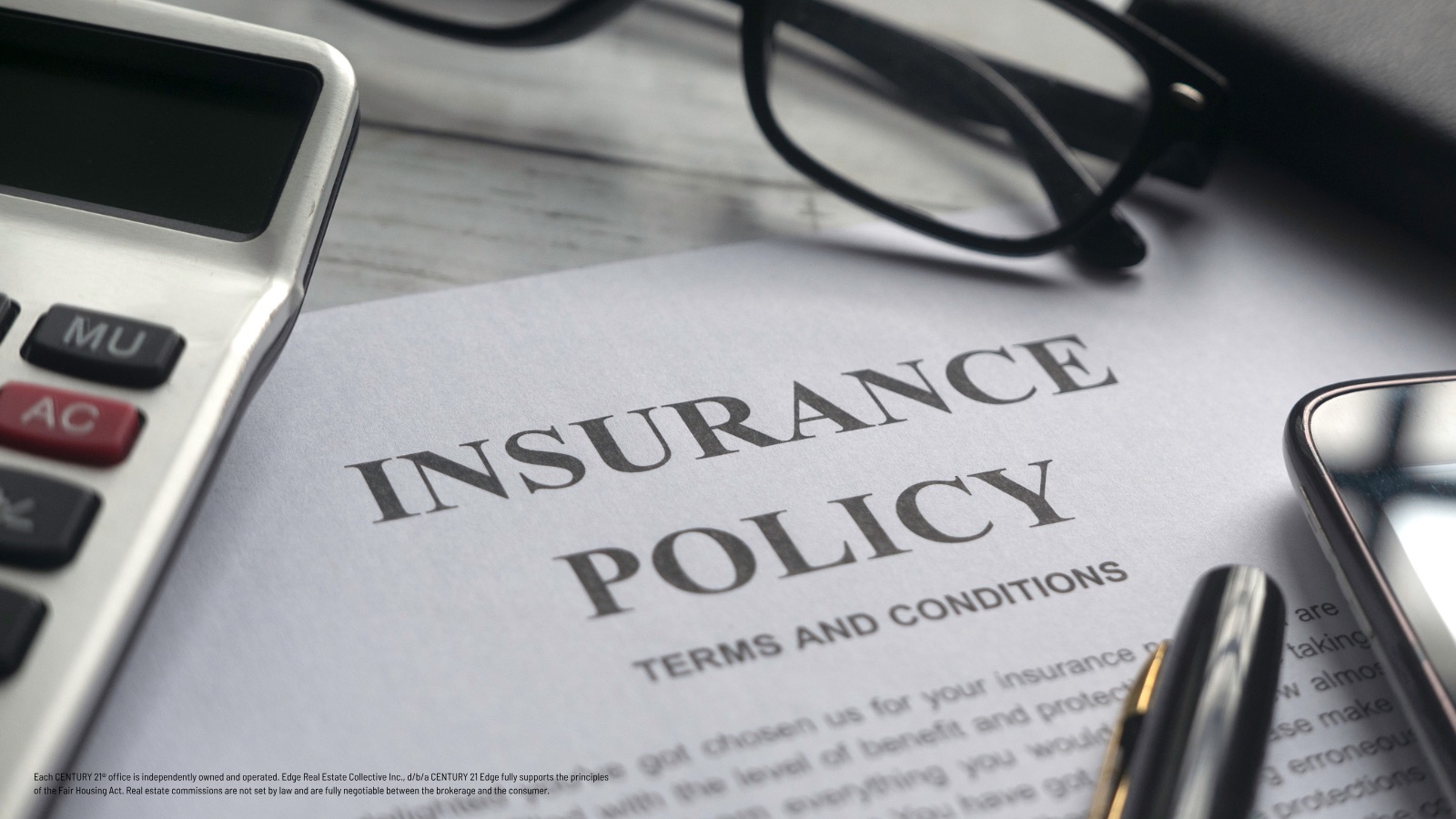
When you invest in commercial real estate, proper insurance coverage stands as your critical financial safeguard. Yet many property owners discover too late that their insurance falls short when disaster strikes. Let's demystify commercial property insurance requirements and help you find the sweet spot between adequate protection and unnecessary expense.
Understanding the Basics: What's Required vs. What's Recommended
Commercial property insurance requirements fall into two categories: legal mandates and practical necessities. While legal requirements vary by location, lender, and property type, certain coverages are near-universal for prudent property owners.
According to the Insurance Information Institute, standard commercial property policies typically cover damage caused by fire, windstorms, hail, and vandalism. However, they often exclude floods, earthquakes, and certain other perils—gaps that can prove financially devastating without supplemental coverage.
The bare minimum legal requirements typically include:
- <b>General liability insurance:</b> Protects against third-party claims for bodily injury or property damage
- <b>Property insurance:</b> Covers the building structure itself against covered perils
- <b>Workers' compensation insurance:</b> Required if you have employees working on the property
What's often overlooked is that meeting minimum legal requirements rarely provides comprehensive protection. As one property manager told me after a major flood, "We were legally compliant but practically underwater—both literally and financially."
Lender Requirements: The Invisible Hand
If you're financing your commercial property, your lender will likely impose insurance requirements that exceed legal minimums. These typically include coverage equal to at least 100% of the property's replacement cost (not market value), business interruption coverage, and specific endorsements based on your property's location and use.
The Federal Reserve reports that commercial real estate loan defaults often follow inadequate insurance coverage for unexpected events. Smart investors recognize that lender insurance requirements aren't just hoops to jump through—they're valuable risk management guidelines based on institutional experience.
Beyond the Basics: Situational Insurance Considerations
Every commercial property has unique risk factors that standard policies might not adequately address. Consider these specialized coverages based on your specific situation:
Location-Based Requirements
Properties in flood zones, earthquake-prone regions, or hurricane-susceptible coastal areas often require specialized coverage that standard policies don't include. These additional policies can be expensive but are essential for proper protection.
Property-Type Specific Coverage
Different property types require different insurance approaches. Office buildings, warehouses, retail spaces, and mixed-use developments each present unique risks that should inform your coverage decisions. For instance, properties with expensive mechanical systems benefit from equipment breakdown coverage, while older buildings often need ordinance and law coverage to address code compliance issues during rebuilding.
Common Coverage Gaps: Where Property Owners Get Caught Short
The most expensive insurance policy is one that doesn't cover you when you need it. These common gaps leave many commercial property owners vulnerable:
Inadequate Valuation
Perhaps the most common mistake is underinsuring the property's replacement cost. Construction costs have skyrocketed in recent years, and many policies haven't kept pace.
The solution? Regular professional appraisals and adjustment of coverage limits—especially after renovations or in areas with rapidly changing construction costs.
Misunderstanding Business Interruption Coverage
Business interruption insurance covers lost income when a property can't operate due to covered damage. However, many owners fail to understand that these policies typically have 12-month restoration periods and often exclude partial closures or pandemic-related interruptions.
Tenant Improvements and Betterments
When tenants make significant improvements to a space, responsibility for ensuring them can become a gray area without clear lease language and appropriate coverage.
Balancing Cost vs. Protection: A Practical Approach
Insurance is ultimately a risk management tool, not an absolute guarantee. Finding the right balance between comprehensive coverage and affordable premiums requires a strategic approach:
- <b>Accurately assess replacement cost:</b> Get professional valuations rather than relying on purchase price or market value
- <b>Identify your risk tolerance:</b> Higher deductibles can significantly reduce premiums if you can absorb more upfront costs in a claim
- <b>Invest in risk mitigation:</b> Modern security systems, sprinklers, and other protective measures often pay for themselves in premium reductions
- <b>Review coverage annually:</b> As your property, business circumstances, and the regulatory environment change, so should your coverage
Special Considerations for Commercial Landlords
If you lease your property to others, clear lease language regarding insurance responsibilities is essential. Consider requiring certificates of insurance from all tenants, additional insured status on tenant policies, and waivers of subrogation to prevent a tenant's insurer from pursuing claims against you.
Conclusion: The True Cost of Inadequate Coverage
The real measure of insurance value isn't found during normal operations—it's revealed in moments of crisis. A single uninsured or underinsured event can erase years of investment returns and potentially force a distressed sale of a damaged property.
Working with insurance professionals who specialize in commercial real estate can help you identify the specific coverages your property requires beyond the legal minimums. While cutting insurance corners may improve short-term cash flow, the long-term risks far outweigh these temporary savings.
Remember: commercial property insurance isn't just about compliance—it's about creating a financial shield that protects your investment through whatever challenges may come.