The Edge Blog · Property Management · August 23, 2024 · 6 min read
Commercial Property Security: Modern Solutions for Building Protection
In the world of commercial real estate, a property's value isn't just measured in square footage or location—it's also determined by how safe tenants feel walking through the door each morning. While the location may still…
In the world of commercial real estate, a property's value isn't just measured in square footage or location—it's also determined by how safe tenants feel walking through the door each morning. While the location may still be the age-old real estate mantra, "security, security, security" has become an equally critical consideration for today's property investors, owners, and tenants.
The landscape of commercial property security has evolved dramatically in recent years, moving far beyond the simple lock-and-key systems of yesteryear. Today's solutions integrate cutting-edge technology, artificial intelligence, and innovative design principles to create comprehensive security ecosystems that protect assets while enhancing the overall tenant experience.
The Evolving Threat Landscape
Commercial properties face a diverse array of security challenges that extend well beyond traditional concerns like break-ins. Modern threat assessments now account for sophisticated cyber attacks on building systems, tailgating attempts at access points, organized retail theft, workplace violence incidents, and even threats from environmental emergencies.
Security consistently ranks among the top three concerns for commercial tenants, directly influencing leasing decisions and rental premiums. Properties with demonstrably superior security measures can command 3-7% higher rents than comparable properties with basic security systems.
Layered Security: The Modern Approach
Today's most effective commercial security strategies employ a layered approach that creates multiple barriers to potential threats. This methodology combines physical security elements, electronic systems, operational policies, and human factors to create a comprehensive protective environment.
Perimeter Security and Access Control
The first line of defense begins at the property boundary. Modern perimeter security has evolved significantly from simple fencing and gates to incorporate:
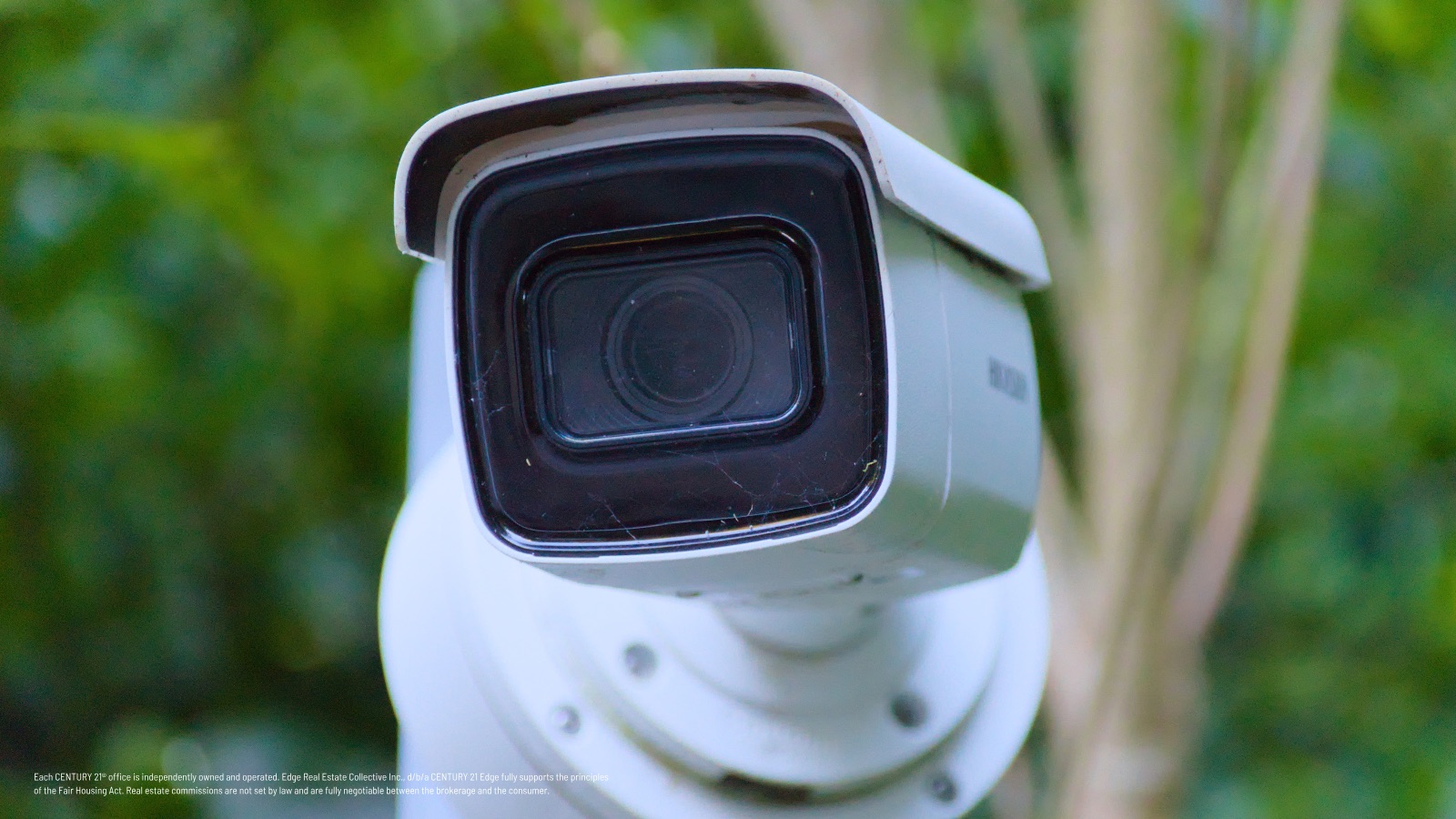
- AI-powered surveillance systems that can distinguish between routine activity and suspicious behavior
- Vehicle barriers that blend aesthetic design with crash-rated protection
- Smart access control systems that adjust entry requirements based on time of day, threat levels, or specific events
- License plate recognition technology that pre-validates authorized vehicles
- Visitor management systems that pre-register guests and provide temporary credentials
The Security Industry Association reports that integrated access control systems have seen the most significant technology advancements in commercial security, with mobile credentials and biometric authentication becoming increasingly mainstream in Class A buildings.
The Intelligence Revolution in Building Security
Perhaps the most transformative advancement in commercial property security has been the integration of artificial intelligence and analytics into virtually every security component. These technologies have shifted security systems from reactive to predictive, enabling potential threats to be identified and addressed before incidents occur.
Modern AI-powered surveillance doesn't just record events—it understands them. These systems can detect unusual behaviors (like someone testing multiple doors), identify objects left behind in sensitive areas, monitor for crowd formation, and even recognize individuals on watch lists. All of this happens while filtering out the thousands of routine activities that occur daily in busy commercial environments.
The real power comes when these systems are integrated. For example, an anomaly detected by an exterior camera can automatically trigger enhanced access restrictions, alert security personnel with precise information about the potential threat, and begin tracking movement throughout the facility—all without human intervention.
Cybersecurity: Protecting the Invisible Infrastructure
As commercial buildings become increasingly connected, the attack surface for cyber threats expands accordingly. Building automation systems, energy management platforms, elevator controls, and even HVAC systems now operate on networked platforms that require robust cybersecurity protection.
The Cybersecurity and Infrastructure Security Agency (CISA) has identified commercial real estate as a critical infrastructure sector requiring enhanced protection against cyber attacks. Vulnerabilities in these systems can lead to operational disruptions, unauthorized access, or even safety hazards if critical building systems are compromised.
Forward-thinking property owners are implementing comprehensive cybersecurity strategies that include:
- Regular penetration testing of all networked building systems
- Segmented networks that separate critical infrastructure from guest and tenant systems
- Continuous monitoring for unauthorized access attempts or unusual system behaviors
- Regular firmware and software updates to address emerging vulnerabilities
- Vendor security assessments for all service providers with access to building systems
The Human Element: Security That Enhances Experience
The most sophisticated security technology is only as effective as the humans who interact with it.
Modern security approaches recognize that overly cumbersome or intrusive measures can create friction that leads to workarounds and vulnerabilities.
The most successful commercial property security programs balance protection with convenience, employing human-centered design principles to create systems that enhance rather than impede the tenant experience. Examples include:
- Mobile access credentials that allow tenants to move seamlessly through the property using their smartphones
- Unified security platforms that require only a single authentication for access to parking, elevators, office suites, and amenity spaces
- Concierge security personnel trained in both protection protocols and customer service
- Transparent communication about security features that helps tenants feel informed and protected rather than surveilled
Measuring Security ROI
Quantifying the return on security investments has traditionally been challenging—how do you measure the value of incidents that didn't happen? However, property owners are increasingly able to demonstrate tangible benefits from enhanced security through:
- Reduced insurance premiums for properties with advanced security systems
- Higher tenant retention rates and reduced vacancy periods
- Documented rental premiums compared to less-secure competitors
- Lower incidence of liability claims related to security issues
- Reduced costs from vandalism, theft, and property damage
Future Trends: Where Commercial Security Is Heading
As we look toward the horizon of commercial property security, several emerging trends are likely to shape the next generation of solutions:
Autonomous security robots are beginning to supplement human security personnel in large commercial properties, providing continuous monitoring while freeing human officers for more complex tasks. These robots can navigate independently, detect unusual situations, and serve as mobile surveillance platforms in sprawling properties.
Biometric authentication is moving beyond fingerprints to include technologies like facial recognition, behavioral biometrics (how you walk or type), and even cardiac signature (the unique pattern of your heartbeat). These passive authentication methods provide enhanced security without creating friction in the tenant experience.
Security-as-a-service models are gaining traction, allowing property owners to access enterprise-grade security without massive capital investments. These subscription-based approaches keep systems continuously updated with the latest technologies while providing expert monitoring and management.
Integration: The Key to Effective Protection
Whether you're developing a new property or upgrading security at an existing building, the fundamental principle remains the same: integration creates effectiveness. Standalone security components—no matter how advanced—will never provide the same level of protection as thoughtfully integrated systems that communicate with each other and adapt to changing conditions.
For commercial real estate stakeholders, the message is clear: security is no longer an afterthought or a simple checklist item—it's a critical component of property value, tenant satisfaction, and competitive differentiation in an increasingly complex marketplace.
By embracing modern security solutions that combine physical protection, digital safeguards, and enhanced user experiences, property owners can create environments where tenants don't just feel safe—they feel valued. And in today's commercial real estate landscape, that combination provides a powerful competitive advantage that directly impacts the bottom line.
After all, in a world of uncertainty, peace of mind may be the most valuable amenity you can offer.