The Edge Blog · Selling Commercial Property · October 6, 2024 · 4 min read
Commercial Property Staging: Presenting Your Asset in the Best Light
In today's competitive commercial real estate market, the difference between a space that sits vacant for months and one that leases quickly often comes down to presentation. While residential staging has long been standard practice, commercial…
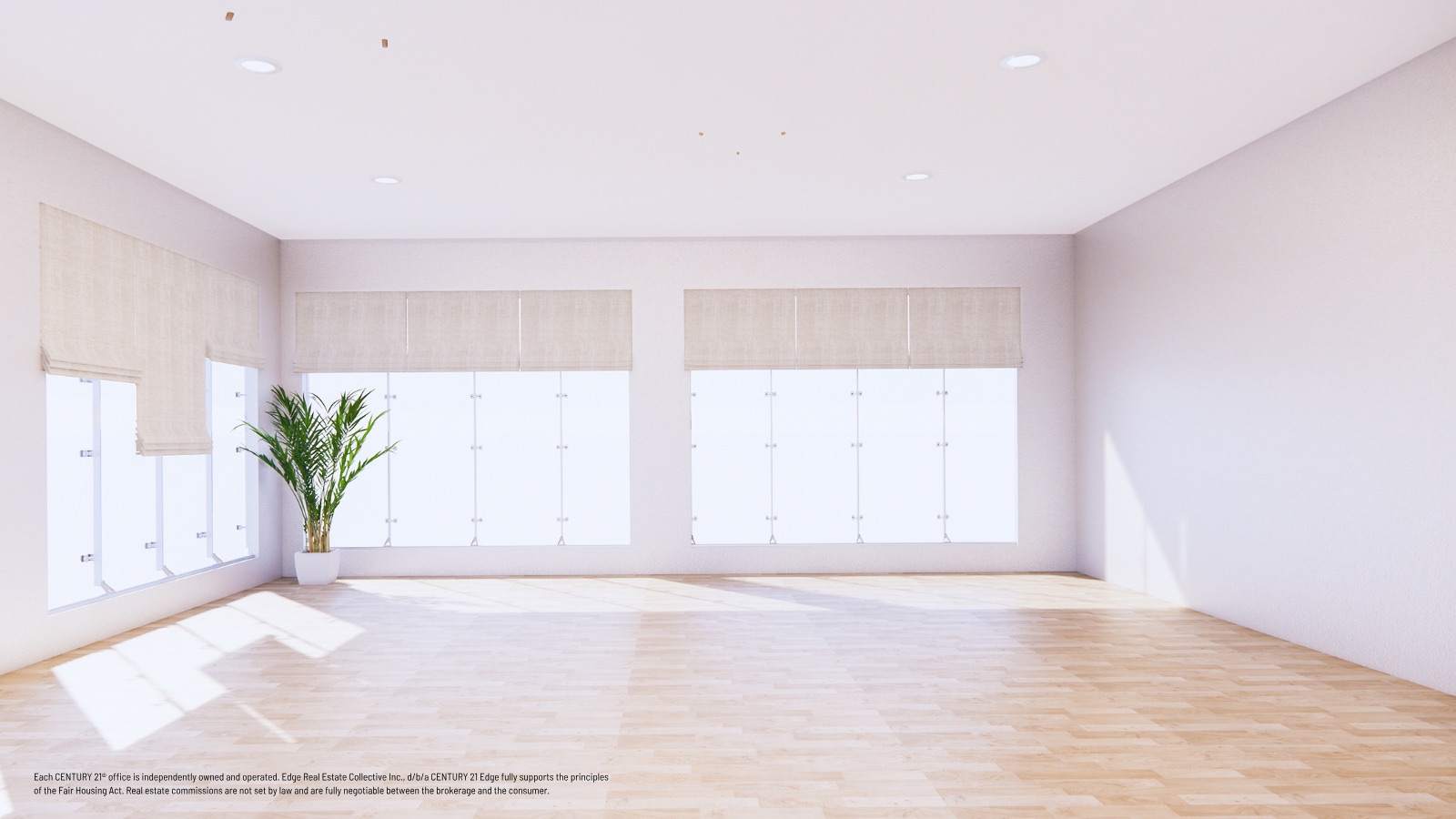
In today's competitive commercial real estate market, the difference between a space that sits vacant for months and one that leases quickly often comes down to presentation. While residential staging has long been standard practice, commercial property staging is now emerging as a critical marketing strategy that can dramatically reduce vacancy periods and potentially increase lease rates. Let's explore how strategic staging can transform your commercial property from an empty box into a compelling business opportunity.
Why Commercial Property Staging Matters
A study notes that people remember 80% of what they see, according to the Entrepreneur. This fundamental cognitive reality explains why properly staged commercial spaces make such a powerful impression on potential tenants. Rather than asking prospects to imagine the possibilities, staging shows them directly.
"We reduced our average vacancy period by 47% after implementing professional staging for our office portfolio," reports one commercial property owner. "The investment pays for itself many times over in reduced carrying costs and faster revenue generation."
Beyond just faster leasing, properly staged commercial properties photograph better for marketing materials, help tenants envision their business in the space, justify premium lease rates, and create emotional connections that vacant spaces cannot.
Effective Staging Strategies by Property Type
Different commercial properties require tailored approaches to staging. Here's how to maximize impact based on property category:
Office Space Staging
According to the Commercial Real Estate Development Association, today's office tenants are primarily focused on spaces that promote productivity, collaboration, and employee well-being. Effective office staging should demonstrate multiple workspace configurations, showcase technology integration opportunities, highlight natural light and views, and create inviting break areas that suggest work-life balance.
One particularly effective approach is creating "vignettes" rather than fully staging the entire space. These strategic setups in key areas help prospects visualize the possibilities while keeping costs manageable.
Retail Space Presentation
Retail properties face unique staging challenges, as tenant improvements will often completely transform the space. Focus staging efforts on creating clear customer flow patterns, using temporary lighting to highlight architectural features, placing strategic product displays, and ensuring storefront areas showcase maximum visibility and branding opportunities.
Industrial and Warehouse Staging
While full staging is rarely practical for industrial properties, strategic presentation elements can significantly impact prospect interest:
- Use tape or temporary markings to indicate potential racking layouts
- Ensure excellent lighting throughout, as many industrial spaces appear unnecessarily dark
- Create a small, well-appointed office vignette if the property includes office space
- Use digital staging in marketing materials to show various equipment setups
The Digital Dimension: Virtual Staging and Technology
Today's commercial property staging increasingly incorporates technology to enhance physical efforts or sometimes replace them entirely. Consider these innovative approaches:
Virtual Staging
Using sophisticated software, empty spaces can be digitally furnished to create compelling visuals for online listings. This approach costs a fraction of physical staging while allowing multiple design concepts to be presented.
Augmented Reality and Interactive Tools
Some forward-thinking property owners are incorporating AR technology that allows prospects to view different staging options while walking through the space. Interactive floor plans on tablets or touch-screens let prospects explore layout options and furniture arrangements in real-time.
"We initially thought virtual staging was just a cost-saving measure," notes one leasing agent, "but we discovered it actually gives prospects more control over visualizing the space according to their specific needs."
Staging on a Budget: Maximum Impact, Minimum Investment
Professional commercial staging can be expensive, but there are strategies to create impact without breaking the bank:
- <b>Focus on key areas.</b> Stage only the most important areas where decisions are typically made—often the entrance, main work area, and one conference room for office properties, or the storefront and main sales floor for retail.
- <b>Lighting and cleanliness.</b> One of the most cost-effective staging elements is simply improving lighting and ensuring immaculate cleanliness. Fresh paint in modern neutral colors, polished fixtures, and spotless windows can transform a space for a fraction of full staging costs.
- <b>Furniture rental partnerships.</b> Develop relationships with furniture rental companies that specialize in commercial environments. Many offer discounted rates for staging purposes, especially for longer-term arrangements.
Measuring Staging Success
To justify staging investments, track these key metrics: days on market before and after implementing staging, number of showings per inquiry, feedback quality from prospects, and final lease rate achieved relative to market comparables.
Conclusion: A Strategic Investment
Commercial property staging should be viewed not as an optional marketing expense but as a strategic investment that directly impacts your property's performance metrics. In competitive markets where multiple similar spaces are available, professional presentation often makes the critical difference in which property leases first and at what rate.
Whether you opt for comprehensive physical staging, targeted vignettes, or cutting-edge virtual presentations, the goal remains the same: helping prospective tenants move beyond seeing just an empty space to envisioning their business thriving within your property. That vision is what transforms a showing into a signed lease.