The Edge Blog · Commercial Real Estate Basics · December 19, 2024 · 7 min read
Commercial Real Estate Asset Classes Explained: From Office to Industrial
If you're exploring commercial real estate investments or looking to expand your business into a new location, understanding the different asset classes is essential. Commercial real estate isn't a monolith—it encompasses diverse property types, each with…

If you're exploring commercial real estate investments or looking to expand your business into a new location, understanding the different asset classes is essential. Commercial real estate isn't a monolith—it encompasses diverse property types, each with unique characteristics, risk profiles, and market dynamics.
This guide breaks down the major commercial real estate asset classes to help you navigate this complex but opportunity-rich landscape.
Office: The Traditional Cornerstone
Office properties have traditionally been the backbone of commercial real estate portfolios. These buildings, designed for business operations and professional services, range from downtown skyscrapers to suburban office parks.
Key characteristics:
- <b>Class distinctions:</b> Office buildings are typically categorized as Class A (premium properties with top-tier finishes and amenities), Class B (good quality but fewer amenities), or Class C (functional but older properties).
- <b>Lease structure:</b> Typically 3-10 year terms with annual escalation clauses
- <b>Performance metrics:</b> Price per square foot, vacancy rate, absorption rate
The flight-to-quality trend continues to dominate this sector, with tenants willing to pay premium rents for buildings offering superior amenities, sustainability features, and flexible configurations that support hybrid working models.
Retail: Evolving with Consumer Behavior
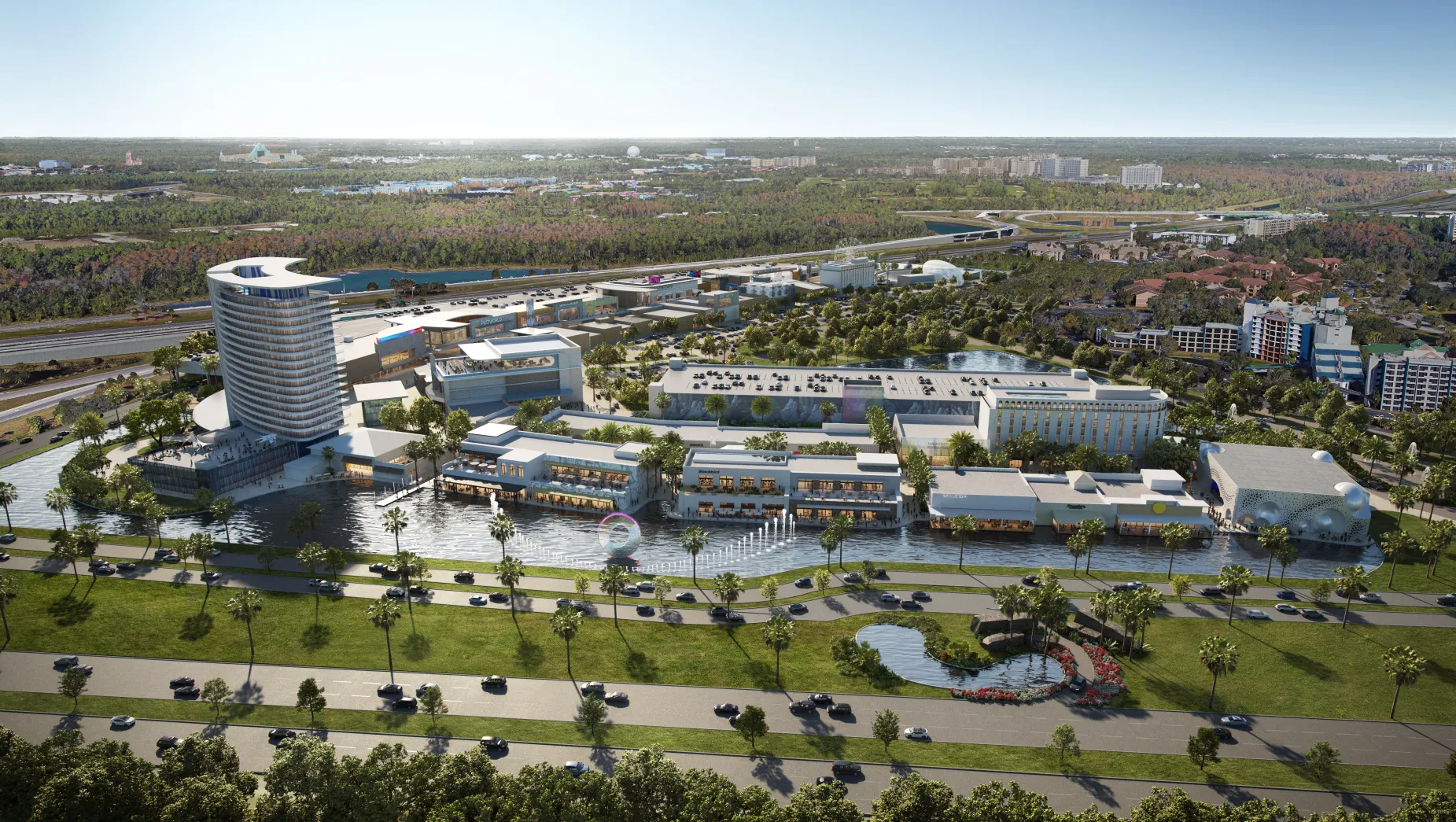
Retail properties encompass a wide spectrum of facilities designed for consumer-facing businesses. From enclosed malls to standalone big-box stores, this sector continues to adapt to changing shopping patterns.
Key characteristics:
- <b>Major subtypes:</b> Regional malls, strip centers, power centers, neighborhood centers, lifestyle centers, and single-tenant/net leased properties
- <b>Lease structure:</b> 5-10 year terms, often including percentage rent (a portion of sales)
- <b>Performance metrics:</b> Sales per square foot, occupancy cost ratio, foot traffic
Retail has proven more resilient than many predicted. Experiential retail, value-oriented centers, and necessity-based concepts continue to thrive. Neighborhood centers anchored by grocery stores or daily needs retailers have shown particularly strong performance, with vacancy rates below 6% in many markets.
The integration of omnichannel retail strategies has blurred the lines between physical and digital shopping, with successful retail properties now functioning as fulfillment centers, showrooms, and experience destinations simultaneously.
Industrial: The E-commerce Powerhouse
Industrial real estate has emerged as a star performer in recent years, driven by e-commerce growth and supply chain restructuring. This sector includes warehouses, distribution centers, manufacturing facilities, and specialized industrial properties.
Key characteristics:
- <b>Critical features:</b> Clear height, loading capabilities, power capacity, logistics efficiency
- <b>Lease structure:</b> 3-10 year terms, typically triple net (NNN) where tenants pay taxes, insurance, and maintenance
- <b>Performance metrics:</b> Location efficiency, functionality, adaptability to automation
Industrial properties continue to outperform other asset classes in 2025, with vacancy rates holding steady at 4-6% despite substantial new construction. Deloitte Commercial Real Estate Outlook notes that industrial real estate benefits from several converging trends:
- Continued e-commerce growth requiring sophisticated distribution networks
- Nearshoring and reshoring of manufacturing operations
- Supply chain reconfiguration emphasizing resilience over pure efficiency
- Growing demand for last-mile facilities in urban areas
- Automation and robotics requiring specialized building features
The sector has expanded beyond traditional warehouses to include specialized facilities like cold storage, data centers, and tech-enabled fulfillment centers.
Multifamily: Residential Rental Properties
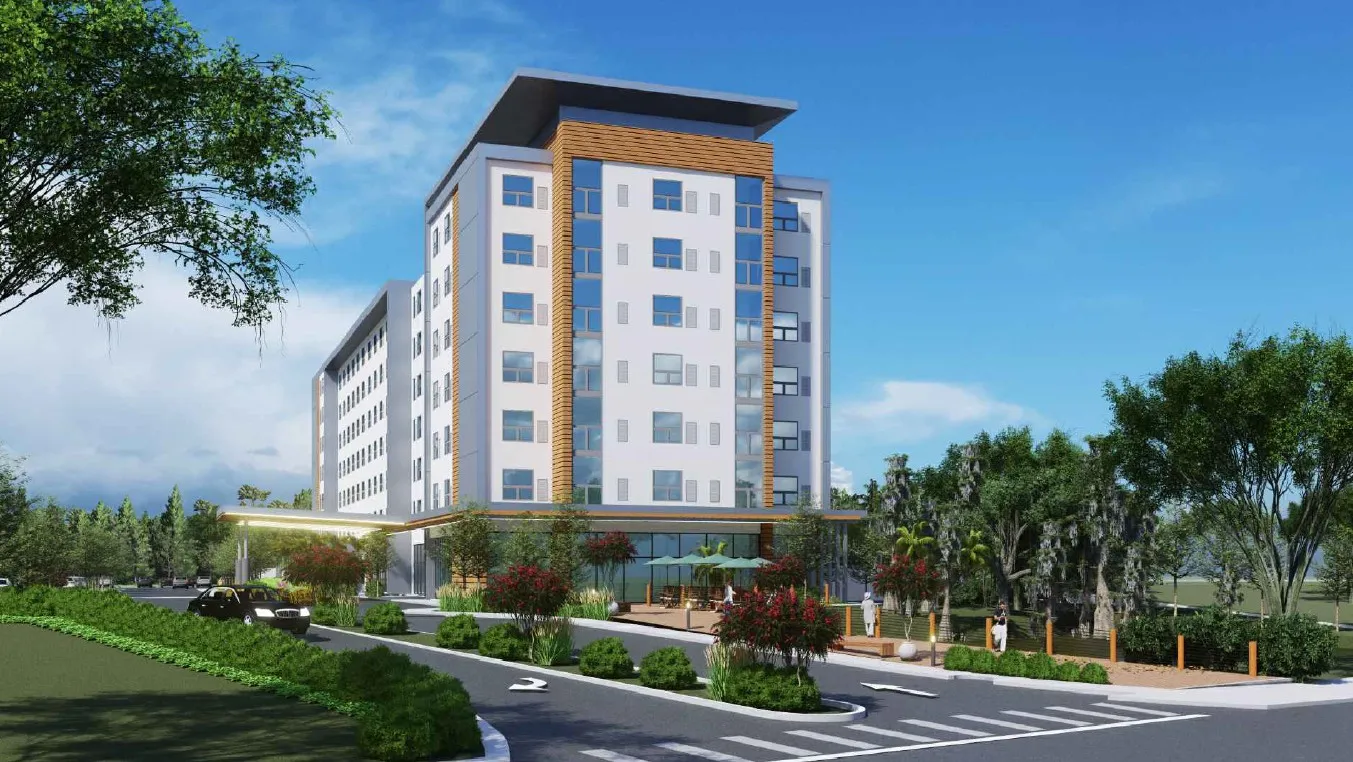
Multifamily properties encompass residential rental buildings with multiple units, from garden apartment complexes to high-rise towers. While technically residential, they're considered commercial real estate due to their income-producing nature and scale.
Key characteristics:
- <b>Common configurations:</b> Garden apartments, mid-rise, high-rise, student housing, senior housing
- <b>Lease structure:</b> Typically 6-12 month terms, gross leases (landlord pays utilities and services)
- <b>Performance metrics:</b> Price per unit, rent per square foot, occupancy rate
Multifamily remains a defensive asset class with strong fundamentals. Housing shortages in many markets, combined with affordability challenges for home buyers, maintain steady demand for rental housing. Current vacancy rates average 4-6% nationally, with rent growth of 2-4% annually.
The build-to-rent segment has emerged as a particularly active niche, offering single-family home features with rental flexibility. Meanwhile, amenity competition continues to intensify, with properties differentiating through wellness facilities, co-working spaces, and technology integration.
Healthcare: Specialized and Growing
Healthcare real estate encompasses properties designed specifically for medical services and patient care. This sector has gained prominence as demographics shift toward an aging population requiring more healthcare services.
Key characteristics:
- <b>Major subtypes:</b> Hospitals, medical office buildings, outpatient facilities, skilled nursing, assisted living
- <b>Lease structure:</b> Typically 5-15 year terms with significant tenant improvements
- <b>Performance metrics:</b> Location quality, tenant credit, adaptability to changing healthcare delivery models
Healthcare properties benefit from recession-resistant characteristics and favorable demographic trends. Medical office buildings particularly stand out for their stable performance, typically featuring long-term leases with credit-worthy tenants.
The sector continues to evolve with the expansion of outpatient care facilities, telehealth integration, and the growing life sciences subsector.
Specialty Asset Classes: From Self-Storage to Data Centers
Beyond the traditional sectors, several specialized asset classes offer unique investment characteristics:
Self-Storage:
- Properties offering rentable storage units
- Typically month-to-month leases with relatively low management intensity
- Correlated with housing market activity and life transitions
- Currently experiencing moderate rent growth of 2-3% with vacancy rates of 10-15%
Hospitality:
- Hotels and lodging properties across service levels
- Highly management-intensive with daily "leases"
- More volatile than other asset classes, reflecting travel patterns
- Currently showing strong recovery with leisure travel exceeding pre-pandemic levels
Data Centers:
- Specialized facilities housing computing and networking equipment
- High barriers to entry due to power, cooling, and connectivity requirements
- Growing dramatically with cloud computing and AI processing demands
- Typically feature long-term leases with technology and cloud service providers
Life Sciences:
- Research facilities, labs, and specialized office space for biotechnology and pharmaceutical companies
- Require significant technical specifications and infrastructure
- Concentrated in innovation clusters near research institutions
- Experiencing strong growth driven by healthcare innovation and funding
Understanding the Risk-Return Spectrum
Commercial real estate investments span a broad risk-return spectrum, with different asset classes and strategies offering varying potential outcomes:
Core Investments:
- Fully leased, stabilized properties in prime locations
- Lower risk profile with typical returns of 4-7%
- Examples: Class A multifamily in major metros, grocery-anchored retail in affluent areas, prime industrial facilities
Value-Add Investments:
- Properties requiring renovations, repositioning, or lease-up
- Medium risk profile with typical returns of 8-12%
- Examples: Class B office buildings needing modernization, underperforming retail centers requiring tenant remerchandising
Opportunistic Investments:
- Development projects, distressed properties, or major repositioning plays
- Higher risk profile with typical returns of 12%+ when successful
- Examples: Ground-up development, adaptive reuse of obsolete properties
Different asset classes naturally fall at different points along this spectrum. Industrial and multifamily properties currently present lower risk profiles in many markets, while office and hospitality tend toward higher risk and potentially higher returns in the current environment.
2025 Market Performance Snapshot
Here's how different commercial real estate sectors are performing in the current market:
| Asset Class | Vacancy Rate | Cap Rates | Annual Rental Growth |
|---|---|---|---|
| Industrial | 4–6% | 4.5–6.0% | 4–6% |
| Multifamily | 4–6% | 4.0–5.5% | 2–4% |
| Office | 12–18% | 5.5–8.0% | 0–2% (Class A), -2–0% (Class B/C) |
| Retail | 6–10% | 5.0–7.5% | 1–3% |
| Healthcare | 8–12% | 5.0–7.0% | 2–4% |
| Self-Storage | 10–15% | 4.5–6.0% | 2–3% |
| Hospitality | 25–35% | 7.0–9.0% | 3–5% |
These metrics vary significantly by location, quality, and specific property characteristics. The bifurcation between high-quality and secondary properties continues to widen across all sectors.
Strategic Investment Considerations
When evaluating commercial real estate opportunities, consider these key factors across asset classes:
Liquidity: Asset classes vary significantly in their liquidity profiles. Multifamily and industrial properties currently enjoy the strongest buyer demand, making them more liquid than specialty assets or properties in secondary markets.
Management Intensity: Some property types require more hands-on management than others. Hospitality and multifamily are management-intensive, while single-tenant net-leased retail or industrial properties often require minimal landlord involvement.
Capital Expenditure Requirements: Office and hospitality properties typically require more substantial ongoing capital investments, while industrial and self-storage generally have lower capital needs.
Market Cycle Positioning: Different property types perform differently throughout economic cycles. Healthcare and necessity retail tend to be more recession-resistant, while office and high-end retail may be more cyclical.
Finding Your Commercial Real Estate Opportunity
Understanding commercial real estate asset classes is just the first step in identifying opportunities that align with your goals, whether you're an investor seeking returns or a business owner looking for space. Here are key considerations for navigating this landscape:
For investors, portfolio diversification across multiple asset classes can help balance risk and return while providing exposure to different market cycles. A strategic mix might include stable core assets complemented by select value-added opportunities.
For business owners, understanding the nuances of different property types helps ensure you secure space that supports your operations while providing appropriate flexibility for growth and change.
At CENTURY 21 Edge, our commercial real estate specialists can help you evaluate opportunities across all asset classes. We combine deep market knowledge with a strategic approach to ensure your real estate decisions advance your broader business or investment objectives.
Whether you're considering your first commercial investment or expanding an established portfolio, understanding the distinct characteristics of each asset class provides the foundation for sound decision-making in today's dynamic commercial real estate landscape.
Looking to explore commercial real estate opportunities? Contact our team to discuss your specific needs and objectives.