The Edge Blog · Office Trends · September 6, 2024 · 4 min read
Digital Twin Technology: Managing Office Buildings with Virtual Replicas
In the not-so-distant past, managing a commercial building meant shuffling through stacks of blueprints, maintenance logs, and tenant complaints. Fast forward to today, and the commercial real estate industry is experiencing a digital renaissance with "digital…

In the not-so-distant past, managing a commercial building meant shuffling through stacks of blueprints, maintenance logs, and tenant complaints. Fast forward to today, and the commercial real estate industry is experiencing a digital renaissance with "digital twin" technology leading the charge. But what exactly is a digital twin, and why should commercial property owners, managers, and investors care? Let's dive into this virtual world that's making very real impacts on how we manage office buildings.
What Is a Digital Twin?
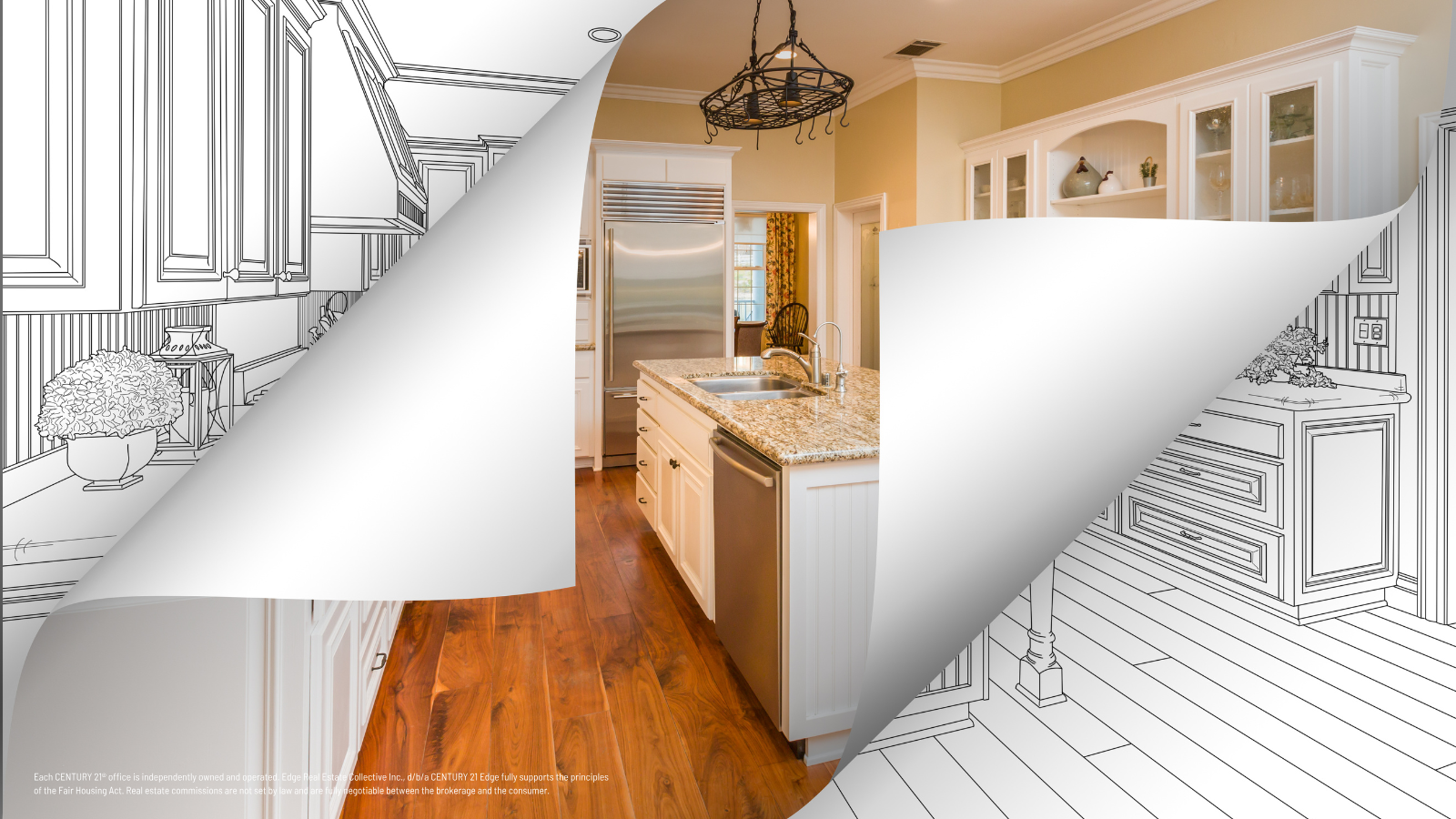
Imagine having a digital doppelgänger of your office building—a virtual replica that mirrors every pipe, electrical system, HVAC unit, and structural element in real time. That's essentially what a digital twin is: a dynamic, virtual model of a physical asset that continuously collects data through sensors, building management systems, and IoT devices.
How Digital Twins Transform Commercial Building Management
Remember the last time your tenant called about the temperature being too cold on the 14th floor, but perfect on the 15th? With a digital twin, you're not just guessing at the problem—you're visualizing it in real time.
Here's how digital twins are revolutionizing office building management
- <b>Predictive Maintenance:</b> Rather than reacting to breakdowns, digital twins help predict when equipment will fail based on performance data. That HVAC system that always seems to falter during the first heatwave? Your digital twin can alert you weeks before it happens.
- <b>Energy Optimization:</b> Buildings account for nearly 40% of global energy consumption. Digital twins can identify energy inefficiencies, suggest optimization strategies, and even automatically adjust systems in real-time to reduce consumption and costs.
- <b>Space Utilization Analysis:</b> In our post-pandemic world of hybrid work, understanding how office space is actually used has never been more critical. Digital twins track occupancy patterns and can recommend space reconfigurations based on actual usage data.
- <b>Enhanced Tenant Experience:</b> Nobody likes working in an office that's too hot, too cold, or poorly lit. Digital twins help maintain optimal indoor environmental quality, leading to happier tenants and higher retention rates.
Real-World Success Stories
The Edge in Amsterdam, often called the world's smartest building, uses digital twin technology to manage everything from lighting to coffee preferences. The building uses approximately 70% less electricity than comparable office buildings, largely thanks to insights gleaned from its digital twin.
Similarly, Microsoft has implemented digital twins across its Redmond campus, reducing energy usage by 6.5% across 125 buildings. According to the U.S. Department of Energy, this level of reduction, if implemented nationwide, could save commercial building owners billions in energy costs annually.
Getting Started with Digital Twins
Not every commercial property needs to jump straight into a fully integrated digital twin. Here's how to approach implementation:
- <b>Start with a clear objective:</b> Are you trying to reduce energy costs? Improve maintenance efficiency? Enhance tenant satisfaction? Define your goals before investing.
- <b>Audit your current systems:</b> What sensors and building management systems do you already have in place? Many buildings already collect data that could feed into a digital twin.
- <b>Consider a phased approach: </b>Perhaps begin with one critical system, like HVAC or lighting, rather than trying to model the entire building at once.
- <b>Partner with experienced providers:</b> Look for vendors with proven experience in commercial real estate. According to McKinsey, the right technology partners can reduce implementation costs by up to 30%.
- <b>Train your team:</b> The best digital twin is only as good as the people operating it. Invest in training for property managers and maintenance staff.
The ROI of Digital Twins
Let's talk bottom line: are digital twins worth the investment?
Consider this: a mid-sized office building implementing digital twin technology can expect:
- 10-30% reduction in energy costs
- 10-40% decrease in maintenance expenses
- 5-15% improvement in space utilization
- Increased property valuation due to improved efficiency and tenant satisfaction
For a 100,000 square foot office building, these savings can translate to hundreds of thousands of dollars annually.
Looking Ahead: The Future of Digital Twins in Commercial Real Estate
As we look to the future, digital twins will become increasingly sophisticated. Integration with artificial intelligence will enable autonomous building management systems that not only identify issues but also resolve them without human intervention.
Digital twins will also play a crucial role in ESG (Environmental, Social, and Governance) reporting as investors and tenants alike demand greater transparency around sustainability metrics.
The Bottom Line
Digital twin technology isn't just another tech buzzword—it's a transformative approach to commercial building management that delivers real benefits to owners, managers, and tenants. By creating virtual replicas of physical spaces, property managers gain unprecedented insights into building performance, enabling data-driven decisions that reduce costs, improve tenant satisfaction, and increase property values.
As the commercial real estate industry continues to evolve in response to changing work patterns and sustainability demands, digital twins offer a competitive edge for forward-thinking property owners and managers. The question isn't whether to implement this technology, but rather how soon you can afford not to.
Whether you're managing a single office building or an entire portfolio of commercial properties, digital twin technology represents the future of smart, efficient building management. The virtual world is here to stay—and it's making the real world of commercial real estate better than ever.