The Edge Blog · Office Trends · December 7, 2024 · 5 min read
From Class B to Class A: Office Retrofitting Strategies for Competitive Advantage
In today's competitive commercial real estate landscape, the gap between Class B and Class A office properties can mean millions in valuation and substantial differences in tenant quality. But what if you could bridge that gap…
In today's competitive commercial real estate landscape, the gap between Class B and Class A office properties can mean millions in valuation and substantial differences in tenant quality. But what if you could bridge that gap without ground-up development? Strategic retrofitting is emerging as a powerful approach for property owners looking to maximize returns on existing assets.
The Class Divide in Commercial Office Space
Before diving into retrofitting strategies, let's clarify what separates these property classes.
- <b>Class A</b> buildings represent the cream of the crop—premium properties with high-quality finishes, cutting-edge systems, exceptional accessibility, and strong market presence. They command top rental rates and attract prestigious tenants with strong credit profiles.
- <b>Class B</b> properties, while perfectly functional, typically feature older designs, fewer amenities, and less prestigious locations. They're generally well-maintained but lack the wow factor that drives premium rents.
In today's flight-to-quality market, this distinction matters more than ever. According to the Urban Land Institute's Emerging Trends report, the gap between Class A and B office rents has widened to historic levels in many markets, creating compelling opportunities for strategic repositioning.
Why Upgrade Now?
The timing for Class B to A conversions has rarely been better. Several market factors are converging to create ideal conditions:
First, many tenants are willing to pay premium rents for the right space. Despite headline-grabbing stories about office vacancies, quality properties continue to perform well. Companies are using their real estate to attract talent, reinforce culture, and make sustainability commitments tangible.
Second, older buildings often occupy prime locations that would be prohibitively expensive for new construction. Their existing infrastructure provides a valuable foundation for upgrades.
Third, sustainability mandates and ESG requirements are pushing many organizations toward buildings with better environmental performance. A thoughtful retrofit can transform an energy-inefficient structure into a high-performance asset that meets these growing demands.
The Four Pillars of Successful Class A Retrofits
Based on successful retrofitting projects across the country, four key areas consistently deliver the greatest impact:
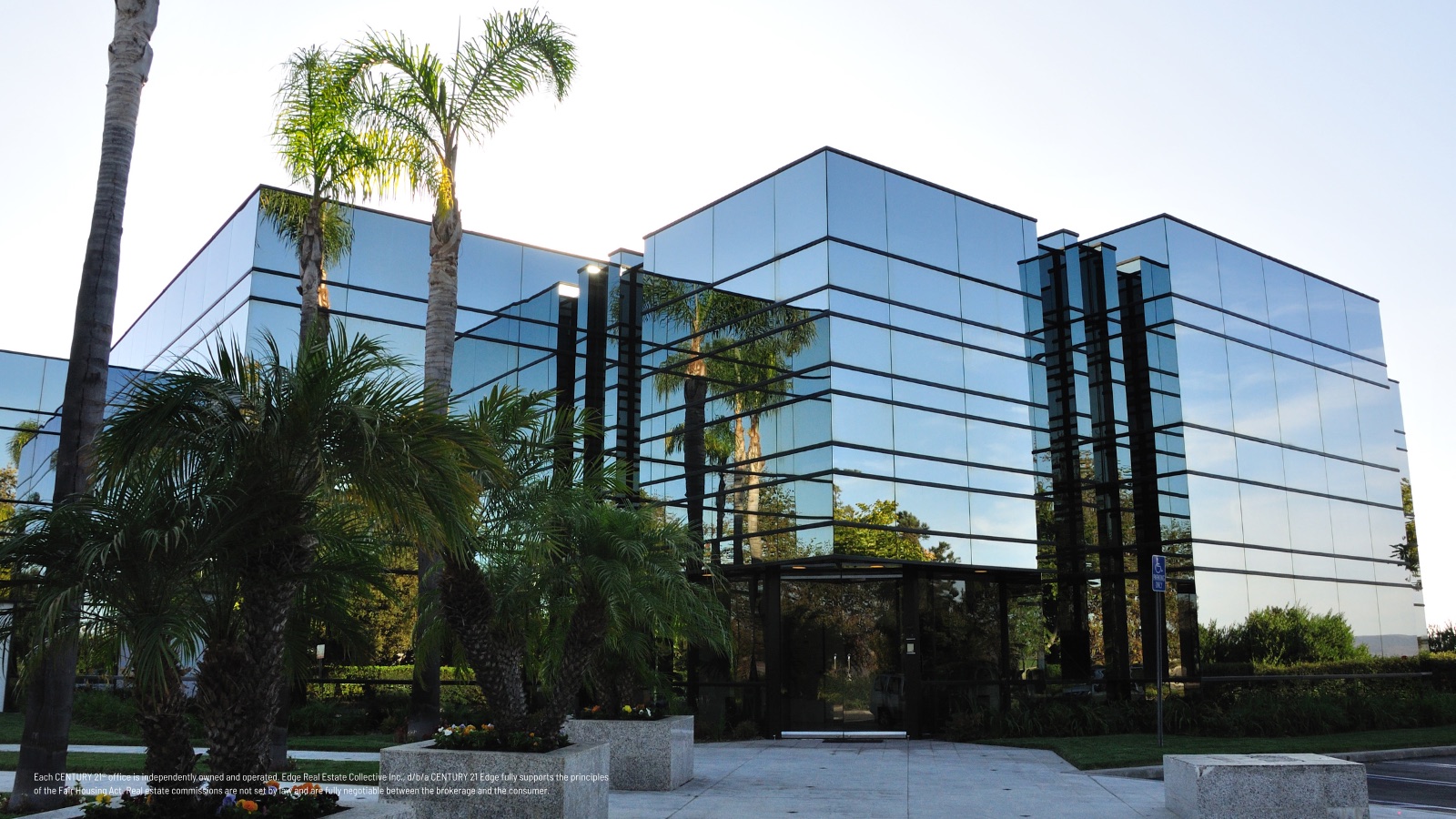
- <b>Building envelope improvements</b> create the all-important first impression while enhancing energy efficiency. Façade modernization, energy-efficient windows, and improved insulation can dramatically transform a building's appearance and performance. Modern glass technologies can simultaneously reduce energy costs while flooding interiors with natural light.
- <b>System modernization</b> addresses the invisible but critical infrastructure. HVAC upgrades with improved air quality controls, electrical system enhancements, and smart building technologies can dramatically improve the tenant experience while reducing operational costs. According to research from the U.S. Green Building Council, system upgrades in older buildings typically reduce energy consumption by 15-30%.
- <b>Common area enhancements</b> provide immediate visual impact. Lobby redesigns, elevator modernization, and the addition of amenity spaces such as fitness centers, tenant lounges, and outdoor areas can transform how a building feels. In competitive markets, these spaces often become the deciding factor for prospective tenants.
- <b>Technology integration</b> is increasingly essential for Class A designation. From touchless access systems to high-speed connectivity infrastructure and tenant experience apps, technology has become a fundamental component of premium office space.
The Investment Equation
The million-dollar question (sometimes literally): Is retrofitting worth the investment?
The numbers tell a compelling story. Depending on building conditions and market dynamics, Class B to A conversions typically require investments ranging from $40 to $120 per square foot. While not insignificant, these costs are substantially lower than new construction.
On the return side, successful retrofits commonly achieve:
- Rent premiums of 15-40% above pre-retrofit rates
- Vacancy reductions of 2-5 percentage points
- Building valuation increases of 20-50%
- Operating cost reductions of 10-30%
The ROI timeline varies by market, but most well-executed projects recover their investment within 3-7 years while creating an asset with a significantly extended lifecycle.
Success Stories in Building Transformation
Consider the Taft Building in Los Angeles. This historic property underwent a $15 million renovation that maintained its character while modernizing systems and amenities. The result? Doubled rental rates and 100% occupancy in a competitive market.
Even iconic structures benefit from strategic upgrades. The Empire State Building's comprehensive energy retrofit resulted in a 40% energy reduction and $4.4 million in annual savings while securing LEED Gold certification.
These examples demonstrate that thoughtful retrofitting can yield remarkable results in both boutique properties and landmark buildings.
The 2025 Approach to Class A Retrofits
Today's most successful retrofitting strategies embrace several emerging trends:
- <b>Wellness-focused improvements</b> have moved from nice-to-have to essential. Enhanced air filtration, abundant natural light, biophilic elements, and spaces that support physical activity are increasingly expected in Class A environments.
- <b>Flexible space configurations</b> accommodate changing workplace patterns. The ability to easily reconfigure floor plates for different team sizes and work styles has become a competitive advantage.
- <b>Smart building technology</b> that monitors and optimizes everything from energy use to space utilization is rapidly becoming standard in premium properties. According to research from MIT's Center for Real Estate, buildings with comprehensive smart technology command rent premiums of 5-10% in most markets.
- <b>Outdoor space activation</b> has gained tremendous importance post-pandemic. Retrofit projects that create or enhance terraces, rooftops, and courtyards often see outsized returns on these investments.
Implementation: Phasing for Success
Successful retrofits rarely happen overnight. Most property owners take a strategic phasing approach:
- <b>Phase 1: Assessment and Planning: </b>Comprehensive: building analysis, market positioning strategy, and ROI modeling establish the foundation for smart investment decisions.
- <b>Phase 2: High-Impact Visible Improvements:</b> Starting with lobbies, common areas, and building entrances creates immediate perception changes while minimizing disruption.
- <b>Phase 3: Infrastructure Upgrades:</b> HVAC, electrical, and technology improvements are carefully scheduled to minimize tenant disruption.
- <b>Phase 4: Progressive Tenant Space Improvements:</b> As leases expire or spaces turnover, individual tenant spaces are upgraded to the new standard.
This measured approach allows for occupied buildings to undergo transformation while maintaining cash flow and minimizing tenant disruption.
Making the Right Retrofit Decisions
Not every Class B building is a candidate for Class A repositioning. Successful conversions typically share several characteristics:
- Strong location fundamentals
- Good structural bones
- Floor plates that can be adapted to modern needs
- Ceiling heights that meet current expectations
- Ownership with appropriate investment horizons
At CENTURY 21 Edge, we help property owners evaluate retrofit potential and develop strategic approaches that maximize returns. Our extensive market knowledge allows us to identify which improvements will deliver the greatest impact in specific submarkets and tenant segments.
The gap between Class B and Class A properties represents both a challenge and an opportunity. With thoughtful planning and strategic execution, yesterday's ordinary office building can become tomorrow's premium asset, delivering stronger returns and competitive advantage in an evolving market.
Looking to evaluate the retrofit potential of your commercial property? Contact our team for a comprehensive property assessment and strategic recommendations.