The Edge Blog · Site Selection · June 15, 2024 · 6 min read
Future Development Impact on Commercial Site Selection
In the high-stakes world of commercial real estate, the old adage "location, location, location" tells only part of the story. Today's savvy investors and business owners understand that selecting the right site isn't just about where…
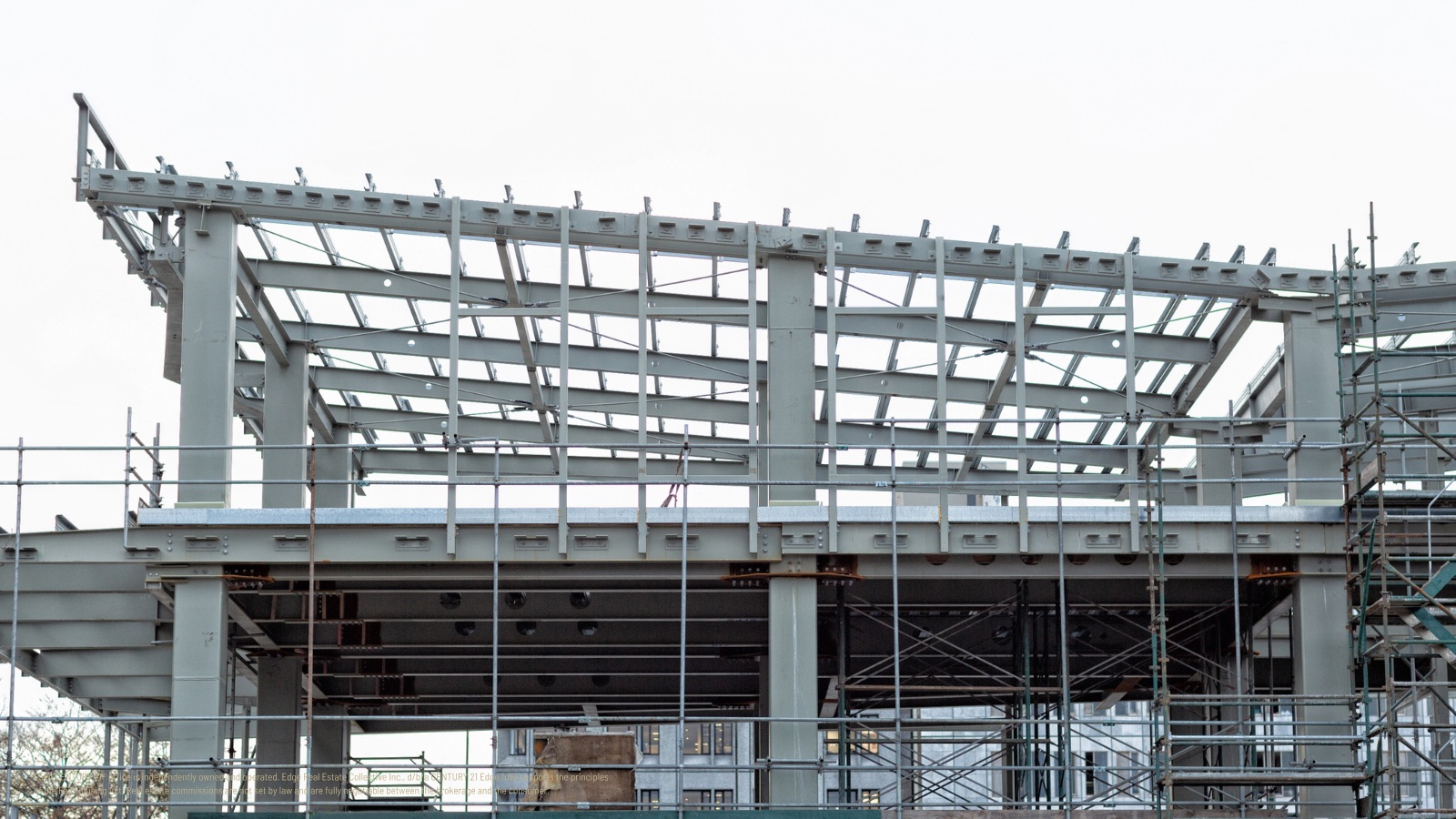
In the high-stakes world of commercial real estate, the old adage "location, location, location" tells only part of the story. Today's savvy investors and business owners understand that selecting the right site isn't just about where a property is now—it's about what that location will become in the future. As urban landscapes evolve and development patterns shift, the ability to accurately forecast how surrounding development will impact a commercial property's value and viability has become an essential skill.
The Ripple Effect of Development
When major development projects break ground, they create ripple effects that transform surrounding areas. These changes can dramatically impact existing commercial properties, either enhancing their value or rendering them obsolete.
"Successful commercial site selection requires thinking in four dimensions," explains Alexandra Rivera, Director of Market Analysis at Urban Economics Group. "You need to evaluate not just the three physical dimensions of a property but also how the site will evolve over time as development patterns unfold around it."
Properties located within a quarter-mile of significant new development projects typically see value increases of 15-30% within five years of project completion. However, these benefits aren't distributed equally across all property types—some businesses thrive in the wake of new development, while others may struggle with changing traffic patterns, demographic shifts, or altered visibility.
Indicators of Future Development Potential
Recognizing areas poised for growth before bulldozers arrive gives investors a tremendous advantage. Several key indicators can help identify these emerging opportunities:
Infrastructure Investment Patterns
Major public infrastructure investments often precede private development by several years. Transit expansions, roadway improvements, and utility upgrades can signal areas targeted for growth. Commercial properties near new transit stations typically experience 20-40% value premiums compared to similar properties without such access.
Watch for capital improvement plans that include water/sewer expansions, fiber optic installation, or electric grid upgrades—these frequently indicate areas being prepared for significant development. Similarly, transportation department plans for road widening, interchange improvements, or new traffic signals often precede commercial growth.
Regulatory Climate and Zoning Changes
Municipalities telegraph their development intentions through zoning changes, overlay districts, and comprehensive plan updates. These regulatory shifts often happen years before visible construction begins.
"Pay attention to the boring stuff," advises James Thornton, former city planning director, and current commercial site selection consultant. "Few people read the minutes from planning commission meetings or zoning board hearings, but these documents contain valuable intelligence about where and how communities intend to grow."
Areas being rezoned from industrial to mixed-use, or where height restrictions are being modified, often represent opportunities for future investment. Similarly, jurisdictions implementing expedited permitting processes or creating tax increment financing (TIF) districts are actively working to stimulate development.
Migration of Anchor Institutions
The relocation decisions of major institutions—hospitals, universities, corporate headquarters—can reshape entire districts. These anchor institutions bring employees, visitors, and related businesses that dramatically alter an area's economic profile.
Innovation districts anchored by research institutions and supported by mixed-use development generate significant economic spillover effects. Properties positioned to capture these spillovers often experience above-market appreciation.
Evaluating Site Selection Through a Future Development Lens
When selecting commercial sites with future development in mind, consider these key evaluation criteria:
Development Cycle Position
Every area exists somewhere along the development cycle—emerging, growing, stable, or declining. The ideal acquisition point varies based on your risk tolerance and investment horizon.
Emerging areas offer the highest appreciation potential but come with greater uncertainty. These neighborhoods show early signs of transition: small-scale renovations, artist studios, pop-up retail, and incremental improvements to public spaces.
Growing areas feature active construction, rising rents, and decreasing vacancy rates. While appreciation potential remains strong, acquisition costs have already increased, reducing potential returns.
Stable areas maintain consistent occupancy and steady rents with minimal new construction. These locations offer reliable income but limited appreciation upside.
Declining areas show increasing vacancy, falling rents, and deferred maintenance. Though acquisition costs may be attractive, reversing negative trends often requires coordinated investment beyond what individual property owners can achieve.
"The biggest returns come from correctly identifying areas just beginning to transition," notes Taylor Washington, commercial investment strategist. "You want to be early, but not so early that you're waiting years for the market to catch up to your vision."
Adaptability to Changing Uses
As neighborhoods evolve, successful commercial properties must often adapt to serve changing markets. Buildings designed with flexible layouts, adaptable infrastructure, and conversion potential maintain their value across different development cycles.
For instance, properties with higher ceiling heights, robust electrical systems, and divisible floor plates can more easily transition between retail, office, and light industrial uses as neighborhood needs change. Similarly, sites with multiple access points and flexible parking configurations can accommodate shifting traffic patterns as surrounding development intensifies.
Alignment with Long-Term Trends
Beyond immediate development plans, successful site selection requires alignment with macro trends shaping commercial real estate:
Rising demand for walkable, mixed-use environments means properties near emerging live-work-play districts often outperform those in single-use zones. According to PwC's Emerging Trends in Real Estate, 24-hour neighborhoods with diverse uses consistently rank among investors' top markets.
Increasing emphasis on sustainability favors properties with green building features, energy efficiency, and resilience to climate impacts. Sites vulnerable to flooding, extreme heat, or other climate stressors face growing obsolescence risk regardless of surrounding development.
The evolution of e-commerce continues to reshape retail and logistics requirements, creating demand for last-mile distribution centers while challenging traditional retail formats. Properties adaptable to omnichannel retail approaches maintain relevance as consumer behavior evolves.
Mitigating Development Risk
While future development can enhance property values, it also introduces risks that require mitigation strategies:
Phasing Risk
Large-scale development projects often unfold in phases over many years. Economic downturns, shifting market preferences, or changing political landscapes can delay or derail later phases, leaving early investors without the full benefit of promised amenities and synergies.
"Never base your entire investment thesis on the completion of someone else's project," cautions Mia Chen, commercial lending risk analyst. "Evaluate each property based on its viability under current conditions, with future development providing upside potential rather than baseline justification."
Displacement Pressure
As areas develop, rising rents and changing customer bases can displace established businesses. Properties catering to price-sensitive tenants or serving specific demographic niches may struggle to maintain occupancy as neighborhoods upscale.
Successful investors anticipate these shifts by gradually repositioning properties and tenant mixes to align with neighborhood evolution, rather than attempting dramatic overnight transformations that alienate existing customers.
Coordination Challenges
Development rarely proceeds according to a single master plan. Instead, it reflects the aggregate decisions of numerous property owners, developers, and government entities, each operating with incomplete information and different timelines.
Building relationships with key stakeholders—local planning officials, major property owners, business improvement districts, and community organizations—provides invaluable intelligence about development trajectories that may not appear in official documents.
The Bottom Line
In commercial real estate, seeing the future isn't supernatural—it's strategic. By analyzing infrastructure investment, regulatory changes, demographic shifts, and institutional movements, investors can identify properties positioned to benefit from development waves before they crest.
The most successful commercial site selection decisions balance current utility with future potential, immediate returns with long-term appreciation, and property-specific attributes with neighborhood development patterns. This forward-looking approach transforms site selection from a point-in-time decision to a dynamic positioning strategy that anticipates and capitalizes on the constant evolution of urban and suburban landscapes.
At CENTURY 21 Edge Commercial & Development Services, we help investors navigate the complex interplay between existing conditions and future development potential. Our market intelligence tools identify emerging opportunities, while our relationships with planning officials and developers provide unique insights into future growth patterns. Whether you're selecting a site for your business or building an investment portfolio, we provide the foresight needed to make decisions that will stand the test of time and development.