The Edge Blog · Site Selection · June 6, 2024 · 7 min read
Healthcare Facility Site Selection: Unique Considerations for Medical Properties
Selecting the optimal location for a healthcare facility involves a complex decision-making process that extends far beyond the typical considerations for commercial real estate. While factors like visibility and traffic count matter for most commercial properties,…

Selecting the optimal location for a healthcare facility involves a complex decision-making process that extends far beyond the typical considerations for commercial real estate. While factors like visibility and traffic count matter for most commercial properties, healthcare facilities face unique requirements driven by patient needs, regulatory compliance, specialized infrastructure, and long-term community health planning. Understanding these distinctive considerations is essential for healthcare organizations, developers, and the commercial real estate professionals who serve them.
The Strategic Foundation: Patient Demographics and Service Area Planning
At the heart of healthcare site selection lies a fundamental question: will this location effectively serve the target patient population? Unlike retail businesses that might thrive on high-traffic corner lots, healthcare facilities require strategic positioning based on sophisticated demographic analyses.
According to the American Hospital Association, effective healthcare site selection begins with comprehensive service area planning. This involves mapping existing and projected patient populations, analyzing healthcare utilization patterns, and identifying service gaps within a geographic area. This analysis should examine not just current demographics but projected population trends over the facility's expected lifespan—often 30+ years for major healthcare developments.
Key demographic factors include age distribution (particularly the percentage of older adults who typically require more healthcare services), insurance coverage profiles, income levels, and disease prevalence patterns within the target service area. For specialty facilities, additional factors like proximity to complementary services or referring physician practices may take precedence.
What makes healthcare site selection particularly challenging is the need to balance accessibility for current patients against positioning for future demographic shifts. A location that perfectly serves today's needs may become suboptimal as populations age, neighborhoods evolve, or transportation patterns change. The most successful healthcare developments anticipate these shifts and select locations with adaptability in mind.
Certificate of Need: The Regulatory Gateway
Perhaps the most distinctive aspect of healthcare facility site selection is the regulatory oversight that governs development in many states. Certificate of Need (CON) laws, which exist in varying forms across approximately 35 states, require healthcare providers to demonstrate that community needs justify the creation or expansion of healthcare facilities before development can proceed.
According to the National Conference of State Legislatures, these regulations aim to ensure coordinated health planning, prevent unnecessary duplication of services, and control healthcare costs. However, they add a significant layer of complexity to the site selection process. In CON states, the viability of a potential location depends not just on its physical and market attributes but on regulatory approval that may involve lengthy application processes and even public hearings.
For commercial real estate professionals advising healthcare customers, understanding the specific CON requirements in your state is essential. Some states exempt certain facility types (like primary care centers) or have expedited processes for underserved areas. These regulatory nuances can dramatically affect which locations merit serious consideration and how quickly development can proceed.
Beyond Access: The Multidimensional Accessibility Challenge
When we discuss accessibility for healthcare facilities, we must think beyond simple driving distance. True healthcare accessibility encompasses multiple dimensions that affect a patient's ability and willingness to seek care at a specific location.
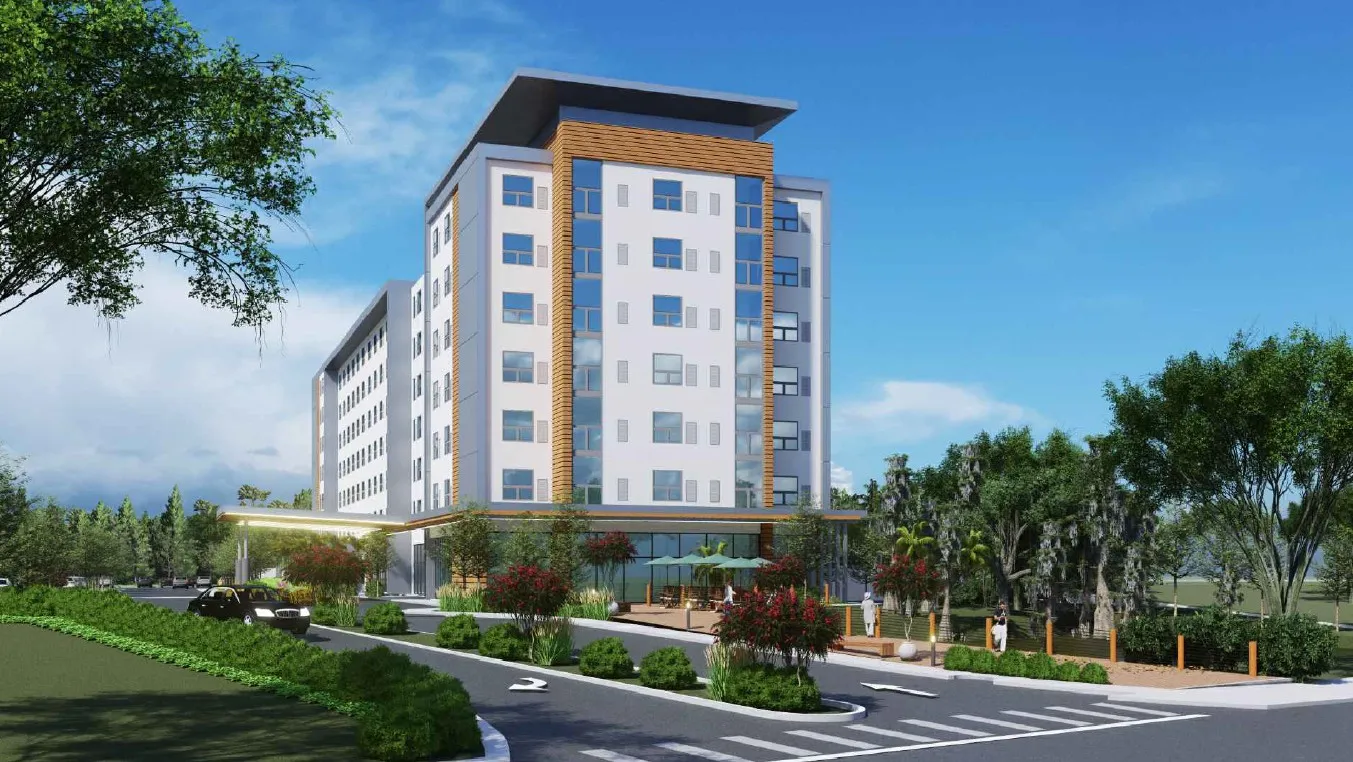
Physical accessibility includes considerations like proximity to public transportation, availability of adequate parking (often significantly more than for other commercial uses of similar size), and complete compliance with ADA standards throughout the property. For facilities serving elderly populations, additional accommodations like covered drop-off areas, minimal walking distances, and the absence of challenging terrain become even more critical.
Temporal accessibility—the ease of reaching the facility at the times when care is needed—plays an equally important role. For primary care and outpatient services, proximity to residential areas often takes precedence, while emergency services require locations optimized for rapid access from multiple directions with minimal traffic congestion during peak hours.
Psychological accessibility, though less tangible, significantly impacts healthcare utilization. Locations perceived as unsafe, difficult to navigate, or associated with negative community perceptions create barriers to care regardless of their objective accessibility. The most effective healthcare locations consider safety, visibility, and community context alongside geographic convenience.
Infrastructure Requirements: The Technical Foundation
Healthcare facilities have infrastructure needs that far exceed those of typical commercial properties, making site selection particularly challenging. According to The American Society for Health Care Engineering, modern healthcare facilities require robust infrastructure capacities that significantly limit suitable location options.
Electrical systems must provide not just higher overall capacity but exceptional reliability, often necessitating dual feeds or on-site backup generation with significant space requirements. Water systems must support specialized needs ranging from sterilization processes to imaging equipment cooling. Telecommunications infrastructure must accommodate massive data transmission requirements for everything from electronic health records to diagnostic imaging.
Future-proofing these infrastructure needs presents a particular challenge. As healthcare technology advances, infrastructure demands typically increase—a facility adequate for today's needs may become constrained within a few years. The most forward-thinking healthcare developers select sites with significant excess capacity or readily available expansion options for key utilities.
Beyond basic utilities, healthcare facilities often require specialized infrastructure elements rarely needed by other commercial properties. These include medical gas systems, specialized waste handling capabilities, enhanced HVAC systems with sophisticated filtration and pressure controls, and helipad access for larger facilities. These requirements often eliminate otherwise promising sites from consideration.
Synergy and Healthcare Ecosystems: Beyond Stand-Alone Facilities
Modern healthcare increasingly operates within interconnected systems rather than as isolated facilities. This network perspective adds another layer to site selection considerations, focusing on proximity to complementary services and referral sources.
Primary care locations benefit from proximity to their patient populations but also need convenient connections to diagnostic services, specialist referral options, and hospitals for acute care needs. Specialty practices often cluster near hospitals that provide complementary services. Pharmacies, rehabilitation centers, and ancillary service providers typically seek locations that capture referrals from nearby healthcare providers.
The healthcare ecosystem perspective encourages viewing potential locations not in isolation but as nodes within a broader network of care. This approach often leads to healthcare clusters or corridors—geographic concentrations of complementary services that collectively enhance patient convenience and provider efficiency.
Financial Considerations: The Long-View Approach
While all commercial real estate decisions involve financial analysis, healthcare facilities require an exceptionally long-term perspective. Major healthcare developments typically represent investments with 30+ year horizons, making traditional ROI calculations challenging. Initial development costs must be balanced against operational efficiency, adaptability for future needs, and lifecycle maintenance considerations.
Reimbursement factors add another layer of complexity unique to healthcare properties. For providers operating under value-based care models, locations that enhance patient access and compliance can significantly impact financial performance beyond simple revenue calculations. Similarly, locations within certain geographic designations may qualify for enhanced reimbursement rates or grant funding opportunities.
Developers and investors must also consider exit strategy limitations specific to healthcare properties. Purpose-built medical facilities often have limited adaptive reuse potential compared to other commercial properties, making location decisions even more consequential for long-term asset value.
Disaster Resilience: Planning for Continuity of Care
Healthcare facilities face unique expectations during disasters and emergencies—they must remain operational precisely when community needs are highest and other infrastructure may be compromised. This continuity requirement significantly influences site selection, particularly for hospitals and critical care facilities.
Optimal healthcare locations avoid areas with elevated disaster risks such as flood zones, seismic vulnerability, or proximity to hazardous materials. When such risks cannot be completely avoided, sites must offer sufficient space and configuration options to incorporate extensive mitigation measures like elevated critical systems, reinforced construction, or protective barriers.
Beyond the facility itself, access routes during emergencies must be evaluated. Locations served by multiple transportation routes, preferably from different directions, offer greater resilience than those dependent on a single access corridor that could become compromised.
Conclusion: The Strategic Imperative of Healthcare Site Selection
The unique considerations for healthcare facility site selection reflect the distinctive role these properties play in community infrastructure. Unlike most commercial developments that primarily serve business functions, healthcare facilities fulfill essential community needs while operating within complex regulatory, technical, and market environments.
For commercial real estate professionals serving healthcare customers, understanding these distinctive considerations provides tremendous value. By approaching healthcare site selection with an appreciation for its complexity and specialized requirements, you position yourself as a true strategic partner rather than simply a property resource.
The most successful healthcare developments emerge from site selection processes that balance immediate needs against long-term adaptability, regulatory compliance against operational efficiency, and financial considerations against community health impact. By navigating these complex tradeoffs effectively, healthcare organizations create facilities that not only serve immediate patient needs but contribute to community health infrastructure for decades to come.