
The Edge Blog · Managing Commercial Leases · May 29, 2024 · 8 min read
How to Structure Commercial Rent Increases Without Losing Tenants
For commercial property owners, rent increases represent a necessary component of asset management—they help offset rising operational costs, maintain property values, and generate the returns investors expect. Yet poorly executed rent increases can trigger tenant departures,…
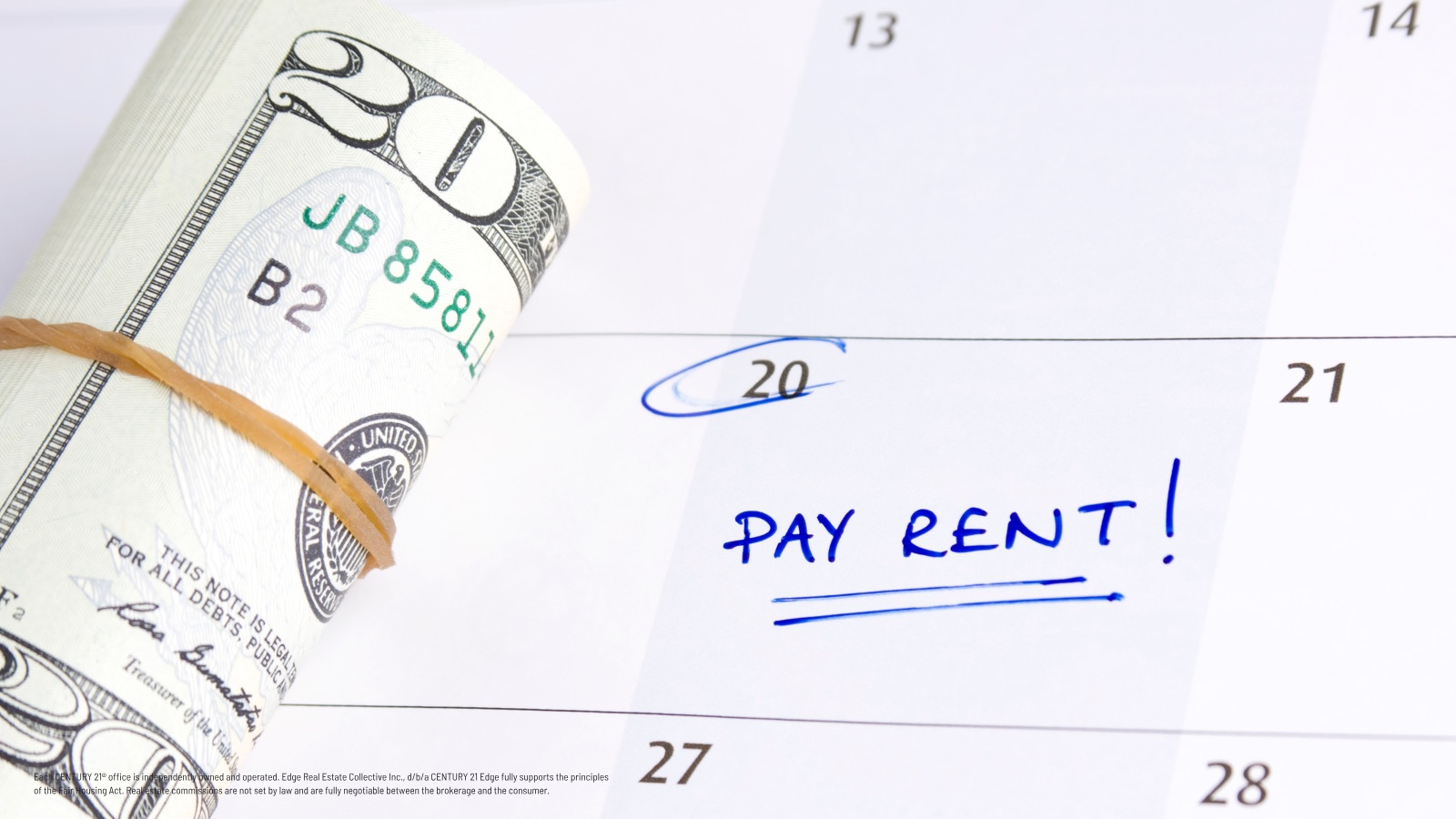
For commercial property owners, rent increases represent a necessary component of asset management—they help offset rising operational costs, maintain property values, and generate the returns investors expect. Yet poorly executed rent increases can trigger tenant departures, creating vacancy costs that quickly erase any financial gains. The challenge lies in structuring rent adjustments that maintain competitiveness and profitability without driving away valuable tenants who contribute to property stability.
Understanding the Tenant Perspective
Before implementing any rent increase strategy, successful property owners take time to understand their tenants' perspective. Commercial tenants view rent as a significant business expense that directly impacts their profitability and operational planning. For many businesses, especially small and medium-sized enterprises, rent often represents their second-largest expense after payroll.
Occupancy costs typically consume 5-10% of gross revenue for retail businesses and 2-6% for office-based companies. This means even modest rent increases can significantly impact tenant operations. A retailer operating at a 4% profit margin, for instance, would need to generate $25,000 in additional sales to offset a $1,000 annual rent increase.
Commercial tenants also factor relocation costs into their decision-making. Moving disrupts operations, requires capital for improvements at the new location, and risks losing customers tied to the existing location. Most tenants will accept reasonable rent increases rather than incur these relocation costs, but will depart when increases exceed a certain threshold relative to market conditions.
Rent Increase Structures That Work
The most successful commercial landlords approach rent increases strategically rather than opportunistically. They implement structured approaches that tenants view as fair, predictable, and aligned with market realities.
Fixed Annual Increases
Perhaps the most straightforward approach, fixed percentage increases specify a predetermined annual adjustment, typically ranging from 2-4%. This method provides clear expectations for both landlord and tenant, allowing businesses to build anticipated increases into their financial projections.
For example, a five-year lease might include 3% annual increases, with the starting rate of $25 per square foot rising to $25.75, $26.52, $27.32, and $28.14 in subsequent years. This gradual approach allows tenants to adapt to higher costs incrementally rather than facing a significant jump at renewal.
The predictability of fixed increases often makes them more palatable to tenants than larger, less frequent adjustments. Many tenants willingly accept slightly higher total rent over the lease term in exchange for this predictability.
CPI-Based Adjustments
Tying increases to the Consumer Price Index (CPI) creates a market-based approach that tenants often perceive as objective and fair. These provisions typically establish a floor and ceiling (e.g., 2% minimum, 5% maximum) to protect both parties from extreme economic conditions.
According to BOMA International, CPI-linked increases have gained popularity in recent years as inflation concerns have intensified. When implementing CPI clauses, successful landlords clearly specify which index applies (national, regional, or local) and the calculation method (annual, trailing average, etc.).
The primary advantage of CPI linkage is its connection to broader economic conditions, which makes increases feel less arbitrary to tenants. During periods of higher inflation, landlords benefit from enhanced protection against rising costs; during lower inflation, tenants benefit from smaller increases.
Step-Up Leases
This structure specifies predetermined rent increases at specific points during the lease term rather than annual adjustments. For instance, rent might remain stable for years one and two, increase by 6% in year three, remain stable for years three and four, and increase again in year five.
Step-up structures work particularly well for tenants requiring significant initial investment in tenant improvements. The stable initial period allows businesses to establish operations and build revenue before facing higher occupancy costs. When aligned with anticipated business growth milestones, these increases feel less burdensome to tenants.
Percentage Rent for Retail
Retail landlords often implement percentage rent provisions, where tenants pay a base rent plus a percentage of gross sales above a specified breakpoint. This approach aligns landlord and tenant interests—the property owner participates in the tenant's success while providing some rent relief during slower periods.
For example, a retail lease might specify base rent of $30 per square foot plus 6% of gross sales exceeding $500 per square foot annually. This structure motivates landlords to maintain property quality and support tenant marketing efforts, as both parties benefit from increased sales.
Communication Strategies That Facilitate Acceptance
Even well-structured rent increases can trigger tenant departures if poorly communicated. Property owners who successfully implement rent adjustments while maintaining high retention rates typically employ these communication strategies:
- <b>Advance Notification: </b>Providing notification well beyond the contractual requirement demonstrates respect for the tenant's business planning. While leases might only require 30-60 days' notice for renewals, giving 6-9 months' warning about forthcoming increases allows tenants to adjust pricing, reduce other expenses, or explore alternatives without feeling pressured.
- <span style="letter-spacing: -0.3px;"><b>Transparent Justification:</b> Explaining the rationale behind increases significantly improves acceptance rates. Rather than simply announcing new rates, successful property owners share information about rising property taxes, insurance premiums, utility costs, or capital improvements that necessitate the adjustment. For instance, a statement like "Property taxes have increased 18% over the past two years, and we've invested $450,000 in building system upgrades that improve energy efficiency" provides context that makes increases feel more justified.</span>
- <span style="letter-spacing: -0.3px;"><b>Phased Implementation:</b> When larger increases become necessary after prolonged rate stability, phasing them in over time improves retention. A landlord needing a 15% adjustment might structure it as three annual increases of 5% rather than one large jump, allowing tenants to gradually adapt their business models to higher occupancy costs.</span>
- <span style="letter-spacing: -0.3px;"><b>Value-Add Coupling:</b> Pairing necessary rent increases with property improvements or service enhancements improves tenant perception of value received. Examples include landscape upgrades, lobby renovations, enhanced security systems, or improved maintenance response times implemented alongside rent adjustments.</span><span style="letter-spacing: -0.3px;"></span><span style="letter-spacing: -0.3px;"></span><span style="letter-spacing: -0.3px;"></span>
Market Alignment: The Key to Retention
Commercial tenants today have unprecedented access to market information through online listing platforms, broker relationships, and industry networks. This transparency means any rent increase significantly exceeding market rates will likely trigger tenant departures regardless of communication quality or landlord-tenant relationships.
Successful property owners continuously monitor local market conditions, including:
- <b>Vacancy Rates:</b> Higher vacancy rates in comparable properties indicate limited pricing power, suggesting conservative increase strategies. According to commercial real estate data firm CoStar, markets with sub-5% vacancy can typically sustain annual increases 1-2 percentage points above inflation, while markets exceeding 10% vacancy may struggle to implement any increases for commodity space.
- <span style="letter-spacing: -0.3px;"><b>Concession Trends: </b>When competing properties offer increased tenant improvement allowances, free rent periods, or other concessions, these effectively reduce the net effective rent regardless of quoted base rates. Smart landlords factor these concessions into their increase calculations.</span>
- <span style="letter-spacing: -0.3px;"><b>New Supply Pipeline:</b> Anticipated delivery of competitive space significantly impacts pricing power. Property owners in markets with substantial new construction typically moderate increase strategies as lease expirations approach these delivery dates.</span>
- <span style="letter-spacing: -0.3px;"><b>Submarket Variations:</b> Rather than applying uniform increases across a portfolio, successful owners tailor their approach to submarket conditions. A property in a high-demand downtown district might support 4-5% annual increases, while a suburban location in the same metropolitan area might sustain only 2-3%.</span><span style="letter-spacing: -0.3px;"></span><span style="letter-spacing: -0.3px;"></span><span style="letter-spacing: -0.3px;"></span>
Tenant Improvement Allowances as Adjustment Tools
Tenant improvement allowances represent a powerful tool for facilitating rent increases while maintaining tenant satisfaction. Rather than opposing higher rates, many tenants willingly accept them in exchange for capital improvements that enhance their business operations.
A tenant facing a proposed 10% rent increase might instead accept a 15% increase coupled with a $30 per square foot improvement allowance that modernizes their space. The improvements add value beyond the lease term, potentially increasing business revenue and enhancing the customer or employee experience.
Similarly, tenants often accept higher base rent in exchange for turnkey build-outs that minimize their initial capital requirements. This approach proves particularly effective with growing businesses prioritizing cash flow for operations over facility investments.
Lease Term Leverage: Flexibility for Rate Accommodation
The lease term itself provides leverage for implementing increases. Tenants typically expect to pay premium rates for shorter-term commitments and receive discounts for longer terms. This dynamic creates negotiating room around rent adjustments.
For instance, a tenant resistant to a proposed 4% annual increase on a five-year renewal might accept it in exchange for a cancellation option after year three. Similarly, a landlord might accommodate a tenant's request for smaller increases in exchange for a longer commitment or reduced termination flexibility.
This approach recognizes that lease term and rent rate represent interdependent variables rather than isolated factors. By adjusting the flexibility component, landlords can often achieve desired economic outcomes while maintaining tenant satisfaction.
Relationship-Based Retention Through Market Cycles
Perhaps the most overlooked aspect of rent increase implementation is the power of genuine landlord-tenant relationships. Property owners who establish themselves as business partners rather than just space providers achieve significantly higher retention rates even when implementing necessary adjustments.
Building these relationships involves:
- <b>Regular Check-Ins:</b> Successful landlords maintain consistent communication outside of lease-related discussions, understanding tenant business challenges and growth plans through quarterly conversations.
- <span style="letter-spacing: -0.3px;"><b>Promotional Support:</b> For retail and service tenants, landlords who promote tenant businesses through property websites, social media, or events demonstrate the added value that compensates for rent premiums.</span>
- <span style="letter-spacing: -0.3px;"><b>Problem Resolution:</b> Promptly addressing maintenance issues, security concerns, or other property matters builds goodwill that translates into increased tolerance for necessary economic adjustments.</span>
- <span style="letter-spacing: -0.3px;"><b>Renewal Planning:</b> Starting renewal conversations early—ideally 12-18 months before expiration—creates space for creative solutions that accommodate both parties' needs.</span><span style="letter-spacing: -0.3px;"></span><span style="letter-spacing: -0.3px;"></span><span style="letter-spacing: -0.3px;"></span>
Conclusion: Balance Yields Optimal Returns
The most successful commercial property owners recognize that maximizing income involves more than implementing the highest sustainable rent increases. When factoring in vacancy costs, tenant improvement expenses, and commission fees associated with replacement tenants, moderate increases that maintain high retention often generate superior returns over aggressive approaches that trigger departures.
By structuring increases thoughtfully, communicating transparently, monitoring market conditions, and building genuine relationships, property owners can achieve the delicate balance that maintains asset values and income growth without sacrificing the tenant stability essential for long-term investment performance.
The optimal approach views rent increases not as isolated events but as components of a comprehensive asset management strategy—one that recognizes tenant retention as a valuable financial objective rather than merely a pleasant side effect of property operations.