The Edge Blog · Property Management · May 11, 2024 · 5 min read
Implementing Green Cleaning Programs in Commercial Buildings
Walk into the gleaming lobby of a Class A office tower in Seattle, and you might notice something missing: that harsh chemical smell once synonymous with cleanliness. Instead, there's just... freshness. Behind this subtle shift is…
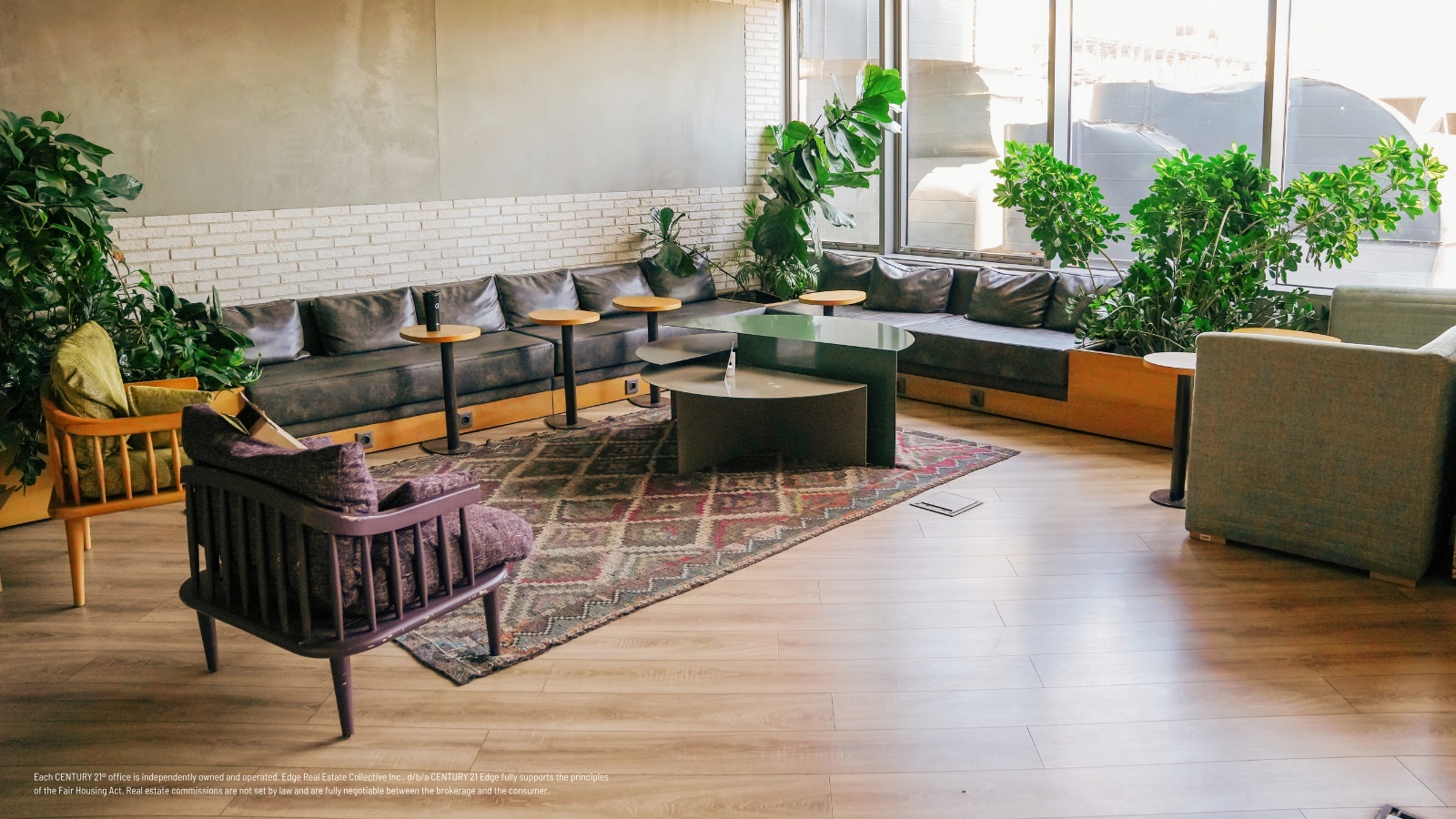
Walk into the gleaming lobby of a Class A office tower in Seattle, and you might notice something missing: that harsh chemical smell once synonymous with cleanliness. Instead, there's just... freshness. Behind this subtle shift is a revolution in commercial building maintenance that's transforming property values, tenant satisfaction, and environmental footprints nationwide.
Green cleaning programs—once considered costly luxuries for eco-conscious buildings—have evolved into mainstream best practices that deliver compelling returns on investment for commercial property owners and managers. As tenant expectations evolve and sustainability metrics increasingly influence leasing decisions, understanding this transformation has become essential knowledge for commercial real estate professionals.
Beyond Buzzwords: What Makes Cleaning Truly "Green"
The term "green cleaning" gets tossed around liberally in marketing materials, but implementing a genuine program involves much more than switching to products with leaves on the label.
"A comprehensive green cleaning program addresses not just the chemical composition of cleaning products, but also equipment efficiency, procedural standards, and worker training," explains Maria Rodriguez, Director of Sustainable Operations at the U.S. Green Building Council. "When done correctly, it creates healthier indoor environments while reducing environmental impact across multiple dimensions."
For commercial buildings, this typically translates to a systematic approach covering:
The Business Case: Green Cleaning as Value Creation
The most compelling aspect of green cleaning programs isn't environmental altruism—it's the bottom-line impact they deliver for commercial property stakeholders.
According to research from the Building Owners and Managers Association (BOMA) International, buildings with established green cleaning programs report several quantifiable benefits:
First, operational costs often decrease over time. While some green products carry premium price tags, their concentrated formulations typically require less product per application. Modern microfiber systems, high-efficiency vacuums, and other green-certified equipment reduce water and electricity consumption while extending the life of building finishes.
Second, tenant satisfaction and retention rates improve measurably. In BOMA's tenant preference surveys, indoor air quality consistently ranks among the top factors influencing lease renewal decisions—and green cleaning programs directly enhance this aspect of building performance.
Third, green cleaning programs often qualify buildings for certification points under LEED, WELL, and other sustainability frameworks that increasingly influence corporate leasing decisions. As more organizations commit to occupying certified spaces, properties without green operations risk market disadvantages.
Implementation Roadmap: From Conventional to Green
For property managers looking to implement green cleaning programs, the transition needn't happen overnight. Successful implementations typically follow a phased approach:
Phase 1 begins with a comprehensive audit of current cleaning practices, products, and equipment. This baseline assessment identifies high-impact transition opportunities and potential challenges.
Phase 2 focuses on product and equipment upgrades. Conventional cleaning chemicals are gradually replaced with Green Seal, EcoLogo, or Safer Choice-certified alternatives. Equipment is evaluated against efficiency standards from the Carpet and Rug Institute (CRI) and similar organizations.
Phase 3 addresses procedural refinements. Cleaning sequences are optimized to reduce cross-contamination, water usage is minimized through proper dilution control systems, and specialized approaches are developed for sensitive areas like food service zones and healthcare spaces.
Phase 4 emphasizes training and education for both cleaning staff and building occupants. Even the greenest products can be misused, so comprehensive training ensures proper application techniques while educating tenants about what makes the program effective.
Overcoming Implementation Challenges
Despite compelling benefits, transitioning to green cleaning programs isn't without obstacles. Commercial property managers report several common challenges:
Cost perceptions often create initial resistance. While green programs ultimately deliver value, some products and equipment carry higher upfront costs. Successful implementations address this by phasing transitions and clearly documenting the total cost of ownership advantages.
Performance skepticism persists among some stakeholders who equate strong chemical smells with cleanliness. Blind cleaning assessments (where areas are cleaned with green versus conventional methods without identifying which is which) can effectively address these concerns by demonstrating equivalent or superior results.
Staff adaptation requires patience and consistent reinforcement. Cleaning teams accustomed to conventional methods may initially resist changes. Involving them in product selection, providing comprehensive training, and recognizing successful adoption helps overcome this resistance.
Measuring Success: Metrics That Matter
The most successful green cleaning programs establish clear performance metrics before implementation and track progress consistently. Effective measures include:
- Indoor Air Quality (IAQ) measurements comparing particulate levels and volatile organic compound (VOC) concentrations before and after implementation
- Occupant satisfaction surveys specifically addressing cleanliness perceptions and indoor air quality
- Resource consumption tracking (water usage, cleaning product volume, waste generation)
- Health-related metrics such as absenteeism rates and reported respiratory complaints
By documenting improvements across these dimensions, property managers can quantify program value for owners and tenants alike.
Beyond Cleaning: The Integrated Approach
Forward-thinking commercial properties are increasingly recognizing that green cleaning works best as part of an integrated approach to sustainability and wellness. This includes considering:
- Entryway systems (walk-off mats, grates, etc.) that capture dirt before it enters the building, reducing cleaning requirements and extending the life of interior finishes.
- Material selections that facilitate easier cleaning with gentler methods—for example, hard surface flooring in high-traffic areas rather than carpeting that requires more intensive maintenance.
- HVAC system maintenance and filtration complements cleaning efforts by reducing airborne particles and improving overall indoor environmental quality.
The Future: From Green to Regenerative
As green cleaning becomes standard practice, leading commercial properties are already exploring the next frontier: regenerative approaches that leave spaces better than they found them.
Innovations include probiotics-based cleaning systems that establish beneficial microbial environments rather than sterile ones, carbon-negative cleaning products that sequester more carbon than they release during production and use, and connected cleaning equipment that uses AI to optimize resource application based on actual soil levels rather than fixed schedules.
The Bottom Line for Commercial Real Estate
For commercial real estate professionals, green cleaning programs represent a significant value-creation opportunity. Properties that implement comprehensive approaches gain competitive advantages in markets increasingly influenced by sustainability metrics and wellness concerns.
More importantly, they deliver the kind of environments tenants increasingly demand—spaces that feel clean without harsh chemicals, support occupant health through better indoor air quality, and align with corporate environmental commitments.
As one property manager recently noted, "We started our green cleaning program because tenants were asking for it. We're continuing it because it makes financial sense, operational sense, and healthier buildings. The question isn't whether you can afford to implement green cleaning—it's whether you can afford not to."
Whether you're managing a single building or a portfolio of properties, understanding and implementing effective green cleaning programs has become an essential component of commercial real estate expertise in today's sustainability-focused marketplace.