
The Edge Blog · Selling + Negotiation Skills · July 12, 2024 · 4 min read
Mastering Virtual Showings: Techniques for Remote and Relocating Buyers
There was a time when the idea of a buyer purchasing a home without ever setting foot inside felt… a little wild. Then came Zoom, relocation surges, and a pandemic-fueled digital shift that changed real estate…
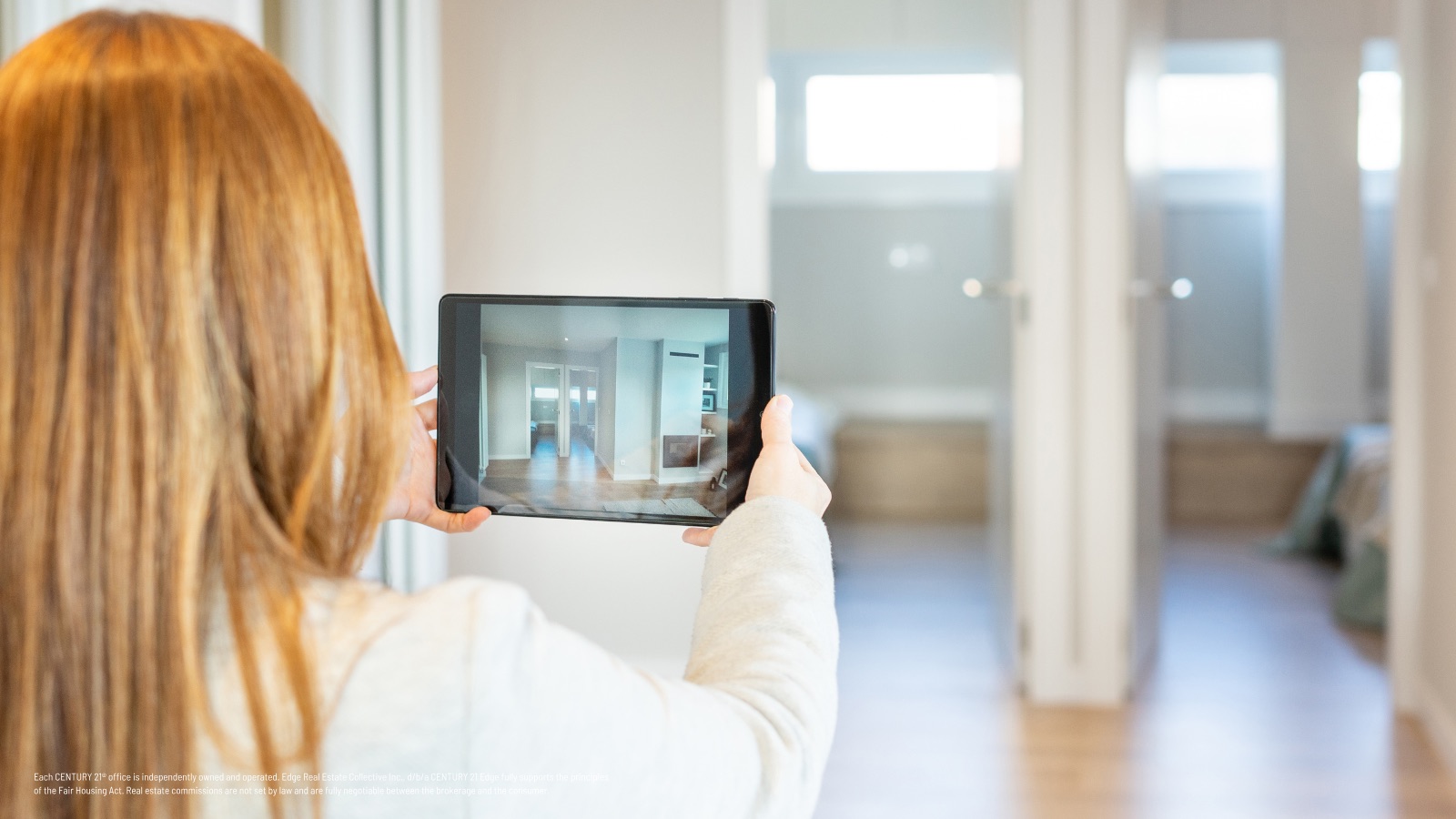
There was a time when the idea of a buyer purchasing a home without ever setting foot inside felt… a little wild. Then came Zoom, relocation surges, and a pandemic-fueled digital shift that changed real estate forever.
Now? Virtual showings aren’t a novelty. They’re an expectation—especially for relocating buyers, military families, investors, and anyone shopping from a distance.
But here’s the thing: doing a virtual showing isn’t just “FaceTiming through the property.” It’s a skill. A craft. And in today’s market, it’s also a competitive edge.
Done right, virtual showings build trust, reduce friction, and move deals forward faster. Done poorly, they confuse buyers, frustrate sellers, and kill momentum.
Let’s break down what truly effective virtual showings look like—and how to deliver them with the same confidence and clarity you would in person.
Virtual Isn’t a Shortcut—It’s a Performance
The biggest mistake agents make when hosting virtual showings is treating them like a casual video chat. But buyers can’t feel the room, hear the street noise, or walk the floor plan. That means you need to become their eyes, ears, and sometimes even gut instinct.
It’s not about tech—it’s about translation.
When you step into a virtual showing, you’re not just showing a home. You’re narrating a story, anticipating questions, and removing obstacles—all in real time.
According to Zillow's Consumer Housing Trends Report, nearly 60% of buyers now expect some kind of virtual tour before seeing a home in person, and 1 in 4 feel comfortable making an offer sight unseen. This isn’t an add-on. It’s core to the process.
Don’t Just Show the Space—Frame the Experience
Virtual buyers aren’t just looking for square footage and finishes—they’re trying to feel what it’s like to live there. That means giving context that the camera can’t.
Instead of walking silently through the house with your phone, try saying:
“This kitchen faces east, so you’ll get natural morning light over the breakfast nook.”
“You can hear the birds because this street doesn’t connect to a through-road—very little traffic.”
“There’s a little flex room right off the foyer—some buyers have used it as a playroom, others as a small office.”
These kinds of details help buyers build a mental map, even from 2,000 miles away.
Want to sharpen this skill? Take a few minutes to study how real estate agents on Redfin’s YouTube channel or The Close narrate their tours. It’s less about perfection—and more about presence.
Pre-Show Prep is a Game-Changer
Showing a home virtually requires a different level of prep—and not just charging your phone.
Before you go live or record a walkthrough, make sure you:
- Know what matters to the buyer (Are they worried about natural light? Stairs? Noise?)
- Review the floor plan in advance so your transitions are seamless
- Test your connection in advance, especially in basements, garages, and outdoor areas
- Stage strategically—tidy spaces read differently on camera
Always carry a gimbal or tripod if possible, and work on your video marketing skills. A shaky video walkthrough is one of the fastest ways to make even a beautiful home feel like a horror movie.
Bring the Neighborhood to Life
One of the biggest blind spots in most virtual showings? The context around the house. Remember—remote buyers aren’t just trying to fall in love with a home. They’re trying to understand a lifestyle.
Make it easy for them by incorporating:
- Street view clips of the block and neighboring homes
- Quick looks at nearby parks, trails, or sidewalks
- Commentary on traffic, noise, parking, or commute paths
Not sure where to find walkability data or school zones for follow-up? Walk Score and GreatSchools.org offer publicly available info that can supplement your showing recap and make you look like a rockstar.
After the Showing: Follow-Up Is Where You Win
Virtual showings don’t end when the call does. Because you’re not there to “read the room,” you need to close the feedback loop quickly.
Consider following up with:
- A short voice memo recapping key buyer reactions and takeaways
- A digital showing packet with listing documents, seller disclosures, and neighborhood stats
- A brief, personalized video message reinforcing what stood out most about the home
This level of follow-up shows professionalism—and reassures buyers that they’re in good hands, even if they’re shopping from three time zones away.
Final Thought: Connection > Connection Speed
Tech matters. But what matters more is how you use it to build trust. Because the best virtual showings don’t feel “virtual.” They feel intentional, personalized, and real.
You don’t have to be flashy. You just have to be present, prepared, and aware of what your buyer can’t see—and guide them through it.
In an increasingly remote-friendly world, the agents who master this aren’t just showing homes—they’re opening doors across borders, time zones, and screens.