The Edge Blog · Property Management · August 8, 2024 · 4 min read
Preventative Maintenance Strategies for Commercial Property Longevity
When it comes to commercial real estate, the old adage "an ounce of prevention is worth a pound of cure" couldn't be more accurate. While responding to emergencies might make you feel like a property management…
When it comes to commercial real estate, the old adage "an ounce of prevention is worth a pound of cure" couldn't be more accurate. While responding to emergencies might make you feel like a property management superhero, the reality is that preventative maintenance is where the real magic happens. Let's explore how proactive maintenance strategies can extend the life of your commercial property, reduce costs, and keep tenants singing your praises.
The High Cost of Deferred Maintenance
We've all been there – that small roof leak you meant to fix "next quarter" suddenly becomes a cascade that damages ceiling tiles, electrical systems, and tenant equipment. Deferred maintenance typically costs 4-5 times more than addressing issues proactively.
Beyond the immediate repair costs, deferred maintenance can lead to decreased property value (up to 20% in some cases), higher tenant turnover rates, increased insurance premiums, compliance violations with potential legal issues, and reputation damage in a competitive market.
Building a Preventive Maintenance Program That Works
Creating an effective preventative maintenance strategy isn't just about checking boxes – it's about developing a comprehensive system that protects your investment while optimizing your maintenance budget.
1. Conduct Comprehensive Property Assessments
Start with a thorough baseline assessment of your property's current condition. This should include the building envelope (roof, walls, windows, doors), mechanical systems (HVAC, elevators), electrical systems, plumbing, fire safety, and common areas. According to the Building Owners and Managers Institute, comprehensive assessments should be conducted annually, with more frequent inspections for critical systems or older properties.
2. Develop a Maintenance Calendar
After identifying all your property's systems and their current condition, create a detailed maintenance calendar that includes:
- <b>Daily checks:</b> Security systems, common area cleanliness, basic operational checks
- <b>Weekly tasks:</b> Landscape maintenance, equipment inspections, filter changes
- <b>Monthly procedures:</b> More thorough equipment testing, preventative servicing
- <b>Quarterly projects:</b> Seasonal system transitions, deeper inspections
- <b>Annual maintenance: </b>Professional inspections, major system servicing, capital planning
3. Leverage Technology for Better Maintenance Management
Gone are the days of maintenance logbooks and sticky notes. Today's property managers have access to sophisticated Computerized Maintenance Management Systems (CMMS) that can schedule tasks automatically, track maintenance history, generate work orders, analyze costs, and predict potential failures before they occur.
Properties utilizing predictive maintenance technology can reduce maintenance costs by up to 20% while extending equipment life by 20-40%.
4. Prioritize These Critical Systems
While all building systems require maintenance, some areas deserve special attention due to their impact on operations and replacement costs:
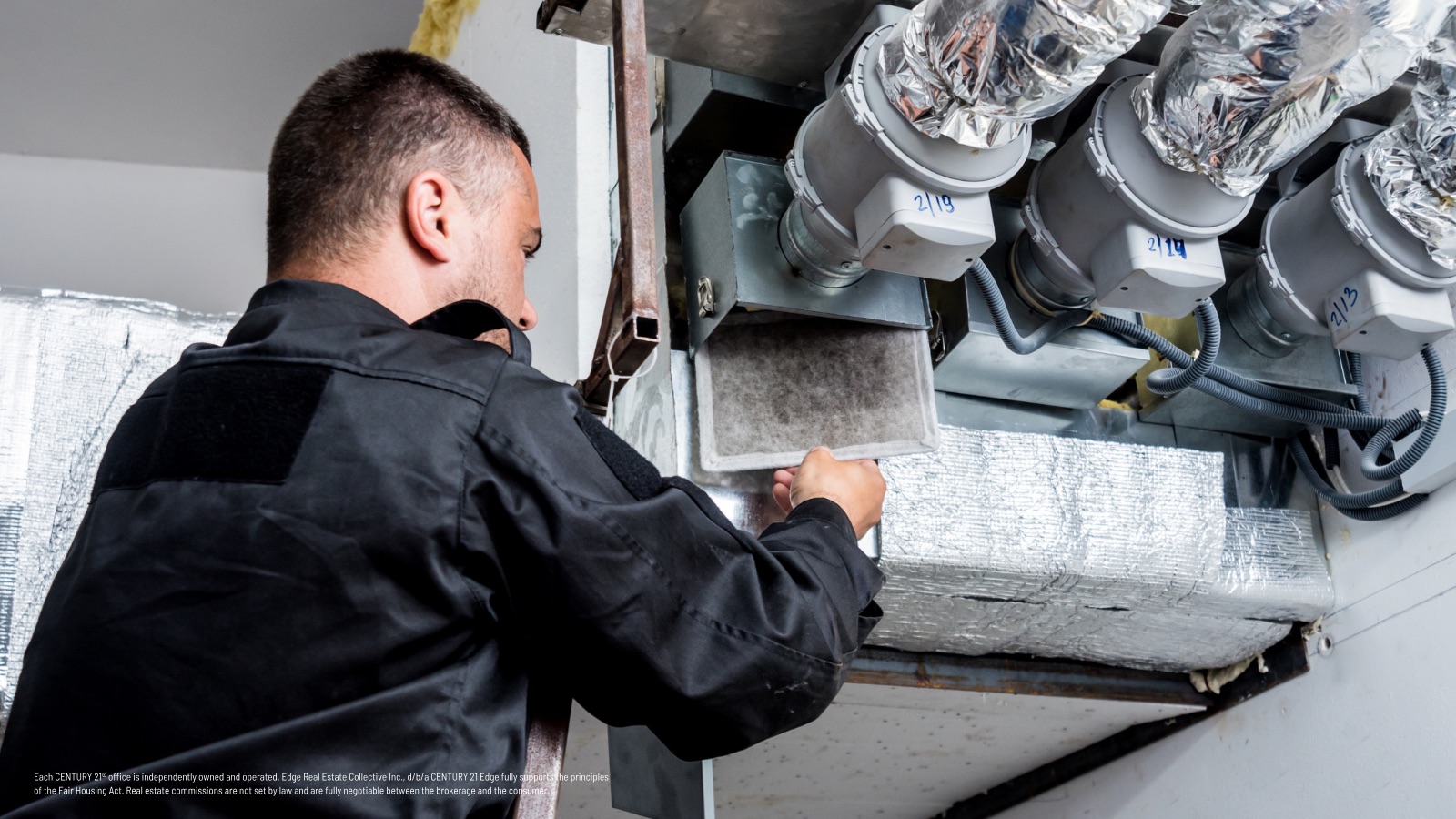
- <b>HVAC Systems:</b> Regular filter changes, coil cleaning, and professional servicing can extend system life by 5-10 years while reducing energy costs by 15-20%.
- <b>Roofing:</b> Quarterly inspections, prompt repairs of minor issues, and keeping drainage systems clear can double a roof's functional lifespan.
- <b>Plumbing:</b> Annual inspection of pipes, water heaters, and backflow prevention devices can prevent catastrophic water damage events.
- <b>Electrical Systems:</b> Regular thermographic scanning can identify potential failures before they cause outages or fires.
The ROI of Preventative Maintenance
Let's talk numbers. According to facility management research, every dollar spent on preventative maintenance saves $4-$8 in reactive maintenance costs. For a 50,000-square-foot commercial building, implementing a comprehensive preventative maintenance program typically results in a 15-30% reduction in energy costs, 20-50% fewer emergency repairs, 25-35% extended equipment life, and 10-15% higher property valuation.
Best Practices for Implementation
Transitioning to a preventative maintenance mindset requires strategic planning. Start with critical systems if you're new to preventative maintenance. Document everything with detailed procedures, checklists, and historical records. Train your team to understand not just how to perform tasks, but why they're important. Keep occupants informed about maintenance activities and how they benefit from your proactive approach. Finally, analyze your maintenance data quarterly to identify patterns and optimize your program.
Beyond the Basics: The Future of Preventative Maintenance
As building technology evolves, so do maintenance strategies. Forward-thinking property managers are already implementing:
- IoT sensors that monitor equipment performance in real-time
- Drone inspections for roofs and exterior building elements
- AI-powered predictive maintenance algorithms
- Digital twins that model building systems and predict failures
The Bottom Line
In commercial real estate, the difference between good property management and great property management often comes down to preventative maintenance. By investing in proactive strategies today, you're not just preventing tomorrow's emergencies – you're extending the life of your assets, reducing operational costs, improving tenant satisfaction, and maximizing your property's long-term value.
While reactive maintenance will always have its place (some emergencies are truly unavoidable), a well-designed preventative maintenance program transforms maintenance from a cost center to a value-creation strategy. In today's competitive commercial real estate market, that's the kind of edge that separates industry leaders from the rest of the pack.
Your commercial property is more than just a building – it's an ecosystem of interconnected systems that, with proper care, can deliver exceptional returns for decades to come. The question isn't whether you can afford preventative maintenance – it's whether you can afford to go without it.