
The Edge Blog · Site Selection · November 25, 2024 · 5 min read
Restaurant Site Selection: Location Factors That Determine Success
The old real estate adage of "location, location, location" applies perhaps nowhere more critically than in the restaurant industry. While concept, menu, and operations are undeniably important, choosing the right location can make the difference between…
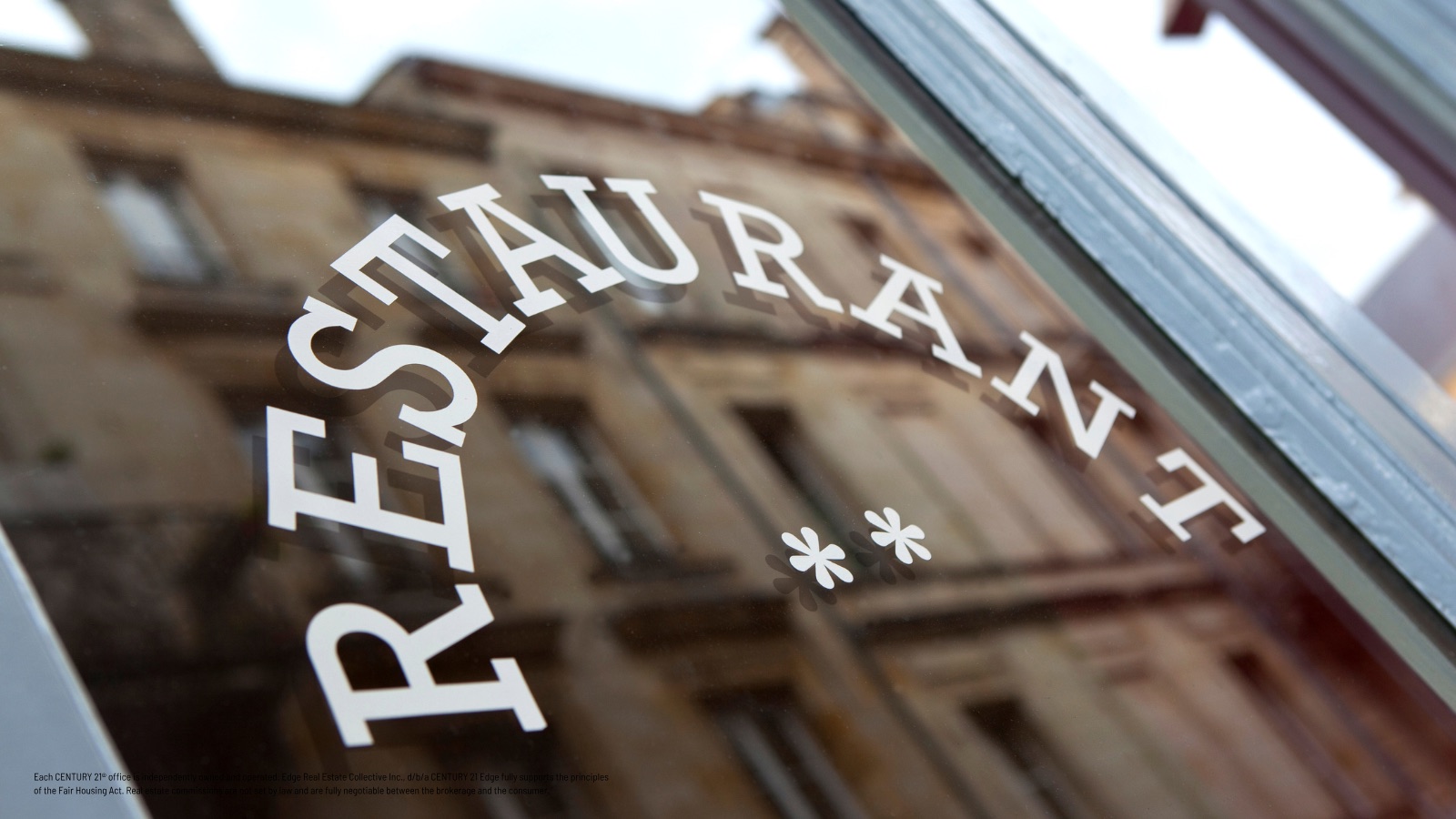
The old real estate adage of "location, location, location" applies perhaps nowhere more critically than in the restaurant industry. While concept, menu, and operations are undeniably important, choosing the right location can make the difference between a thriving establishment and one that struggles to survive.
So what exactly makes a restaurant location successful? Let's explore the key factors that savvy restaurateurs and investors consider when selecting sites for new dining establishments.
The Seven Critical Location Factors
1. Demographics: Matching Concept to Customer
Demographics form the foundation of restaurant site selection. Every restaurant concept has an ideal customer profile, and successful locations put establishments in proximity to their target market.
Key demographic indicators include:
- Population density within the trade area
- Income levels and disposable income
- Age distribution and family composition
- Education levels
- Daytime vs. residential population
A high-end steakhouse requires different demographics than a quick-service burger restaurant. Understanding who your customers are and where they live, work, and play is essential before selecting any site.
2. Traffic Patterns: More Than Just Volume
While high traffic counts can indicate potential customer volume, the nature of that traffic matters just as much as the numbers. Consider:
- Peak hour patterns (do they align with your service times?)
- Traffic direction (morning vs. evening commute exposure)
- Traffic speed (can people actually notice your restaurant?)
- Pedestrian traffic for urban locations
- Public transit accessibility
A breakfast-focused concept benefits from strong morning commute visibility, while dinner-oriented establishments need evening exposure. According to Cornell University research, traffic patterns that don't align with a restaurant's primary service times can render even high-volume locations ineffective.
3. Visibility: Being Seen to Be Chosen
Visibility directly influences customer acquisition, particularly for new establishments without established followings. Optimal visibility includes:
- Clear line of sight from primary roadways
- Unobstructed signage opportunities
- Corner or end-cap positioning
- Elevation advantages
- Absence of visual barriers
Being seen is particularly critical for quick-service and fast-casual concepts that rely heavily on impulse visits. Even the most compelling concept struggles if potential customers can't see it.
4. Accessibility: The Make-or-Break Factor
Accessibility can negate the benefits of even the highest traffic counts. Key accessibility considerations include:
- Multiple access points to the property
- Left-turn accessibility (often a challenge in high-traffic areas)
- Traffic signal proximity
- Adequate parking availability
- Logical traffic flow within the property
5. Competition: Threat or Opportunity?
Competitive analysis requires nuanced evaluation. The presence of other restaurants nearby can indicate either:
- A proven dining location with built-in customer traffic
- Market saturation that limits opportunity
The key lies in concept differentiation and understanding the overall restaurant mix. Restaurant clusters often perform better than isolated locations as they become dining destinations, provided each establishment offers something unique within the mix.
6. Real Estate Economics: The Viability Equation
Even perfect locations must make financial sense. Real estate economics include:
- Rent or purchase costs
- Common area maintenance (CAM) charges
- Occupancy cost as a percentage of projected sales (typically targeting 6-10%)
- Renovation or build-out requirements
- Property tax implications Utility infrastructure and costs
Premium locations command premium costs, requiring higher sales volumes to maintain profitability. The challenge lies in finding locations where revenue potential justifies the real estate expense.
7. Market Awareness: Leveraging Existing Patterns
Established dining destinations offer built-in advantages:
- Reduced marketing needs to drive traffic
- Existing customer patterns that include dining out
- Cross-pollination from complementary businesses
- Enhanced perception of quality through association
Emerging neighborhoods may offer cost advantages but typically require stronger concepts and greater marketing investment to build traffic patterns.
Site Selection by Restaurant Type
Different restaurant formats have distinct location requirements:
Quick Service Restaurants (QSR)
- High visibility from major roads
- Strong vehicle traffic counts (15,000+ ADT preferred)
- Drive-thru capability
- Smaller footprints (1,500-3,000 sq ft)
- Typical trade area: 1-3 miles or 5-10 minute drive time
Fast Casual
- Proximity to office/employment centers or residential areas
- Higher-income demographics
- Educated consumer base
- Moderate to high foot traffic
- Typical trade area: 2-5 miles or 10-15 minute drive time
Casual Dining
- Evening visibility and accessibility
- Above-average household incomes
- Larger footprint requirements (4,000-6,000+ sq ft)
- Family-friendly neighborhoods
- Typical trade area: 3-5 miles or 15-20 minute drive time
Fine Dining
- High-income demographic clusters
- Business centers with expense account dining
- Tourism destinations
- Ambiance and surroundings
- Typical trade area: 5-10+ miles or 20-30 minute drive time
Current Trends Reshaping Site Selection
Several trends are currently influencing restaurant site selection strategies:
- <b>Delivery and Off-Premise Focus.</b> The explosive growth in food delivery has expanded trade areas and reduced the importance of customer-facing visibility for some concepts. Ghost kitchens and virtual restaurants select locations based solely on kitchen efficiency and delivery radius coverage.
- <b>Smaller Footprints. </b>Restaurants are increasingly designing more efficient spaces with reduced dining areas. Fast casual concepts that once required 2,800 square feet now operate successfully in 1,800 square feet, increasing site selection flexibility.
- <b>Technology Integration.</b> Digital ordering and payment systems are changing space needs, with consideration for pickup station placement, dedicated to-go parking, and automated service features.
- <b>Repurposed Real Estate.</b> The retail landscape transformation has created opportunities for restaurants to repurpose existing spaces, from former bank buildings with built-in drive-thrus to vacant department stores subdivided for multiple concepts.
- <b>Experience-Focused Concepts.</b> Restaurants increasingly select locations that enhance their brand narrative, whether historic buildings, scenic vistas, or architecturally distinctive spaces that create Instagram-worthy experiences.
Avoiding Common Site Selection Mistakes
Even experienced operators can fall prey to common site selection pitfalls:
- Following competitors without independent analysis
- Overemphasizing traffic counts without considering accessibility
- Underestimating the impact of poor visibility
- Choosing locations primarily based on low rent
- Failing to negotiate protective exclusivity clauses
- Ignoring parking adequacy and configuration
- Selecting sites based on personal convenience rather than data
- Committing to inflexible long-term leases in unproven locations
Professional Guidance Makes the Difference
Restaurant site selection has evolved from art to science, with sophisticated tools now available to quantify location potential:
- GIS mapping for demographic and competitive analysis
- Mobile device location data tracking actual customer patterns
- Predictive sales modeling based on comparable locations
- Psychographic segmentation beyond basic demographics
At CENTURY 21 Edge, our commercial real estate specialists combine these analytical tools with deep market knowledge to help restaurateurs identify locations with the highest probability of success. We understand that different concepts require different locations, and we work closely with operators to align site selection with their specific business models and growth objectives.
Whether you're launching your first restaurant or expanding an established concept, expert guidance in site selection provides a crucial foundation for long-term success.
Looking to identify the perfect location for your restaurant concept? Contact our commercial real estate team to leverage our expertise in restaurant site selection.