
The Edge Blog · Legal & Compliance · June 10, 2024 · 5 min read
Tenant Eviction Process in Commercial Real Estate: Legal Steps Explained
Evicting a commercial tenant isn't anyone's idea of a good time—it's about as enjoyable as a root canal during an IRS audit. Yet sometimes, despite your best efforts to maintain positive landlord-tenant relationships, eviction becomes unavoidable.…
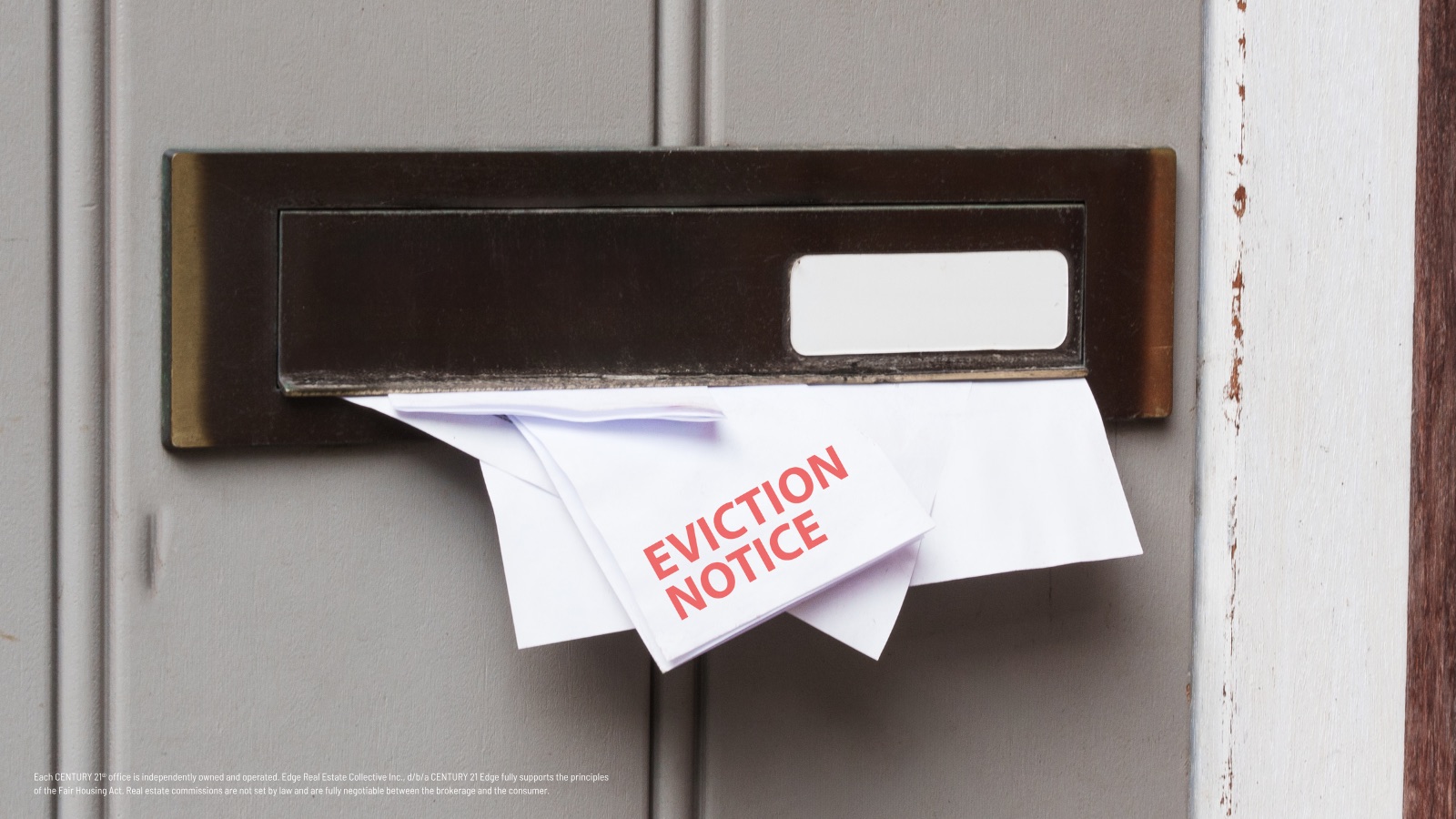
Evicting a commercial tenant isn't anyone's idea of a good time—it's about as enjoyable as a root canal during an IRS audit. Yet sometimes, despite your best efforts to maintain positive landlord-tenant relationships, eviction becomes unavoidable. Whether you're facing chronic non-payment, lease violations, or property damage, understanding the proper legal process is crucial to protect your investment and avoid costly legal missteps.
The Foundation: Your Lease Agreement
Every successful commercial eviction begins with a solid lease agreement. Think of your lease as the constitution of your landlord-tenant relationship—it establishes the rights, responsibilities, and remedies available to both parties.
A well-drafted commercial leases should clearly specify default triggers (what constitutes a violation), required notice periods before legal action, cure periods (time allowed for tenants to remedy violations), and consequences of default, including eviction procedures.
Unlike residential evictions, which are heavily regulated to protect tenants, commercial evictions generally offer more flexibility to landlords. However, this doesn't mean you can change the locks at the first sign of trouble. Commercial tenants still have substantial rights, and bypassing proper procedures can backfire spectacularly.
Step 1: Identify the Breach and Review Your Options
Before launching eviction proceedings, carefully document the specific lease violations. Common grounds for commercial eviction include:
- Non-payment or chronically late payment of rent
- Unauthorized use of the premises (operating outside permitted use clauses)
- Illegal activities conducted on the property
- Significant property damage beyond normal wear and tear
- Unauthorized subletting or assignment of the lease
Once you've identified and documented the breach, consider whether alternatives to eviction might better serve your interests. After all, vacancy periods can be costly, and finding quality replacement tenants takes time. Sometimes, a frank conversation and modified payment plan can resolve issues while maintaining your income stream.
Step 2: Proper Notice to Cure or Quit
If you decide eviction is necessary, the formal process begins with proper written notice. Commercial notices to cure or quit must comply with both your lease terms and state laws. While requirements vary by jurisdiction, the National Association of Realtors Commercial Division reports that most states require landlords to provide tenants with written notice specifying the exact nature of the lease violation, required remedy (if applicable), timeframe to cure the violation or vacate, and consequences of failing to comply.
This notice typically must be delivered in person, by certified mail, or through other methods specified in your lease or state law. Improper notice delivery is one of the most common reasons for eviction cases being dismissed, so attention to detail at this stage is critical.
Step 3: Filing the Eviction Lawsuit
If the tenant fails to remedy the violation or vacate within the specified period, the next step is to file an eviction lawsuit, commonly called an "unlawful detainer" action. Here's where things get formal and where having an attorney experienced in commercial real estate becomes invaluable.
The filing process typically involves preparing a complaint outlining your grounds for eviction, filing this complaint with the appropriate court (usually the district or superior court in the property's jurisdiction), paying required filing fees, and serving the complaint and summons on the tenant following court-approved methods.
According to Cornell Law School's Legal Information Institute, commercial eviction lawsuits generally move through the court system faster than other civil litigation, but timeframes vary significantly by location. In some jurisdictions, cases may be resolved within weeks; in others, particularly those with backlogged court calendars, the process may take months.
During this period, it's crucial to remember that "self-help" eviction tactics—changing locks, shutting off utilities, or removing tenant property without a court order—remain illegal and can result in significant damages being awarded to the tenant, even if they were legitimately in default.
Step 4: The Court Process and Judgment
Commercial eviction hearings are typically straightforward if you've properly documented the lease violation and followed the correct procedures. During the hearing, both parties present their case, with the landlord bearing the burden of proving the lease violation occurred.
If the court rules in your favor, it will issue a judgment of possession and potentially monetary damages for unpaid rent or property damage. This judgment doesn't immediately allow you to reclaim the property, however. That requires one final step.
Step 5: Execution of the Writ of Possession
With judgment in hand, the final phase involves obtaining a writ of possession—the legal document authorizing law enforcement to remove the tenant and their property. This process typically involves:
- Applying for the writ from the court clerk
- Delivering the writ to local law enforcement (usually the sheriff's department)
- Scheduling the actual eviction with law enforcement
Only law enforcement officials can legally execute the eviction, and they'll typically provide the tenant with final notice before proceeding. On eviction day, officers will remove any remaining occupants and return possession of the property to you.
Conclusion: Prevention Remains the Best Strategy
While understanding the eviction process is essential for commercial property owners, the most successful landlords rarely need to use it. Thorough tenant screening, clear communication, and proactive property management can prevent most situations that lead to eviction.
When faced with tenant issues, consider whether negotiation might achieve your goals more efficiently than litigation. Many successful commercial landlords report that reasonable workout agreements often result in better outcomes than the uncertainty and expense of the eviction process.
However, when eviction becomes necessary, following proper legal procedures protects your interests and property rights while minimizing exposure to counterclaims. In the high-stakes world of commercial real estate, knowing both your rights and responsibilities isn't just good business—it's essential to your long-term success.