
The Edge Blog · Site Selection · October 1, 2024 · 4 min read
Warehouse Site Selection: Factors That Optimize Distribution
In today's fast-paced economy, where same-day and next-day delivery have become the norm, selecting the optimal location for your warehouse or distribution center can make or break your operational efficiency. The right location doesn't just reduce…
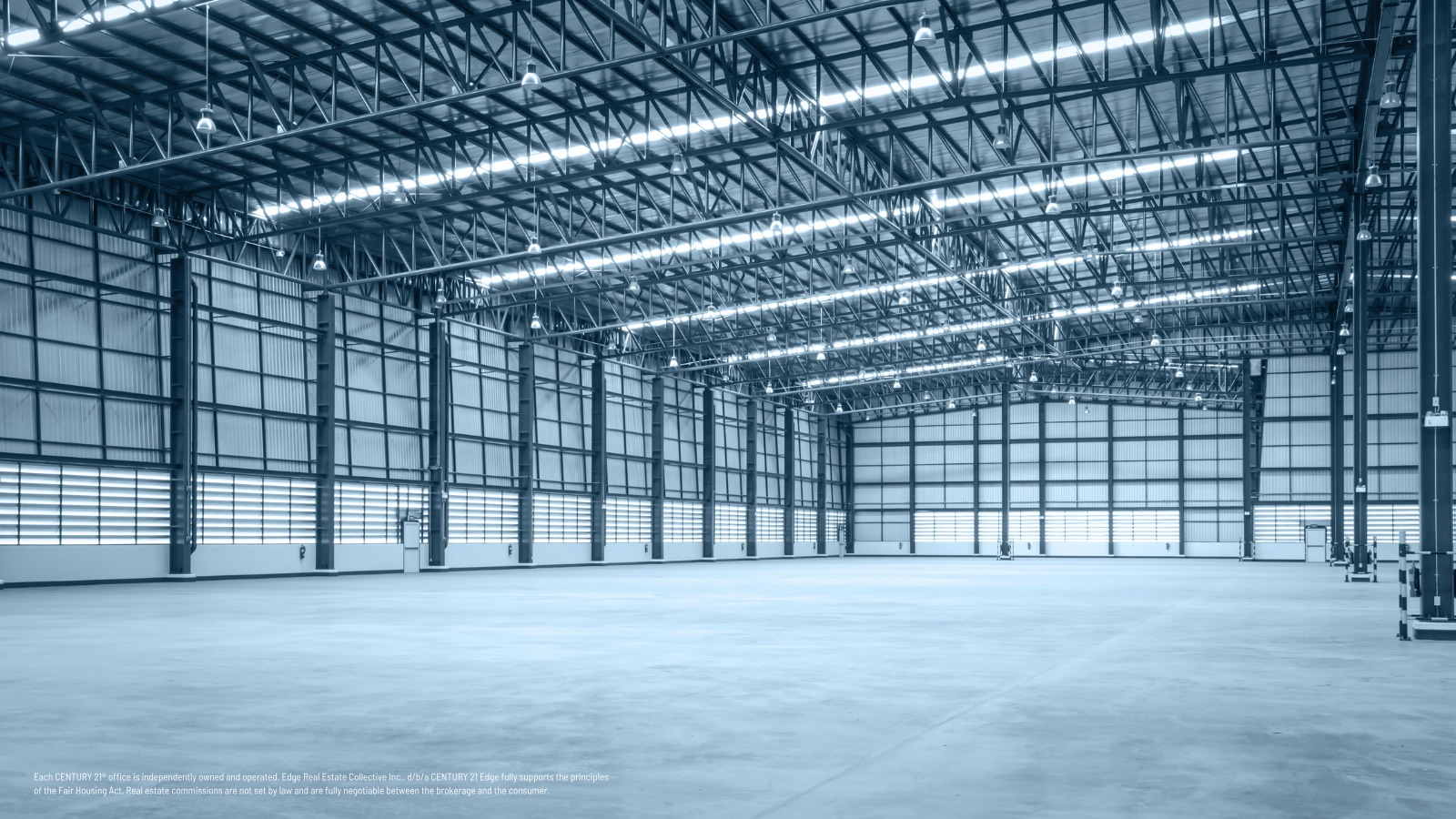
In today's fast-paced economy, where same-day and next-day delivery have become the norm, selecting the optimal location for your warehouse or distribution center can make or break your operational efficiency. The right location doesn't just reduce transportation costs—it can dramatically improve delivery times, labor availability, and ultimately, customer satisfaction. Let's explore the critical factors that should guide your warehouse site selection process.
The Strategic Impact of Location
The stakes in warehouse site selection have never been higher. Transportation typically accounts for 50-70% of a company's total logistics costs. A strategically located facility can slash these expenses while providing competitive advantages in service levels.
"We relocated our primary distribution center based on advanced network modeling," shares one logistics director for a national retailer. "The move reduced our average delivery time by 36% and cut transportation costs by nearly 22%. It was transformative for our entire operation."
Primary Factors for Optimal Site Selection
Proximity to Transportation Infrastructure
Access to transportation networks remains the cornerstone of effective warehouse placement. Consider:
- <b>Highway access:</b> Facilities should be within 5 miles of major interstate highways with minimal traffic congestion
- <b>Intermodal opportunities:</b> Proximity to rail terminals can reduce long-haul shipping costs significantly
- <b>Port access:</b> For international operations, locations near seaports can eliminate costly drayage
- <b>Air freight connectivity:</b> Crucial for high-value, time-sensitive products
Customer Proximity and Service Levels
The rise of e-commerce has fundamentally changed warehouse site selection by prioritizing customer proximity. Modern network design typically focuses on the "center of gravity" approach, placing facilities nearest to the highest concentration of your customer base, and strategic positioning to meet same-day or next-day delivery promises to major population centers.
Many companies now employ a hub-and-spoke model with larger regional distribution centers feeding smaller, strategically located fulfillment centers positioned near metropolitan areas.
Labor Market Consideration
Even the most automated warehouse requires skilled personnel. A comprehensive labor market analysis should evaluate the availability of workers with warehouse experience, local unemployment rates and competitive wage expectations, the presence of logistics-focused educational programs, and the labor union environment.
E-commerce fulfillment centers require approximately three times the labor of traditional warehousing operations, making labor availability increasingly critical in site selection.
Secondary Factors That Drive Success
Beyond these primary considerations, several additional factors can significantly impact operational success:
- <b>Real estate economics.</b> A balance between affordable land and optimal location is crucial. Regional variations in construction costs can represent 15-25% differences in development expenses. Many municipalities offer tax abatements or incentives for job creation, and variations in utility costs can significantly impact highly automated facilities.
- <b>Physical site characteristics.</b> Ensure sufficient space for current operations plus reasonable expansion. Modern logistics often require 32-36 foot clear heights for efficient operations. Wider column spacing increases storage flexibility, and sufficient dock positions prevent bottlenecks during peak periods.
- <b>Market-specific factors.</b> Consider how seasonal weather might impact operations and transportation. Assess vulnerability to natural disasters like hurricanes, floods, and earthquakes. Be aware that local ordinances including truck route restrictions, noise ordinances, and operating hour limitations can severely constrain distribution capabilities.
Modern Tools for Optimal Site Selection
Today's warehouse site selection process has evolved beyond intuition to embrace sophisticated analytical approaches:
Network Optimization Modeling
Advanced software now allows companies to model countless scenarios combining customer locations, supplier networks, transportation costs, and service-level requirements. These models can quantify the cost and service impact of potential locations with remarkable precision.
GIS and Analytics
Geographic Information Systems (GIS) technology enables multi-layered analysis of potential sites, overlaying transportation networks, labor demographics, customer concentrations, and competitive facilities on interactive maps. Leading companies now incorporate predictive models that account for anticipated business growth, population migration trends, and infrastructure developments when selecting warehouse locations.
Common Site Selection Pitfalls
Even sophisticated companies can make critical mistakes in the site selection process:
- <b>Overemphasizing real estate costs</b> while undervaluing transportation and labor impacts
- <b>Insufficient future-proofing</b> for growth and evolving technology requirements
- <b>Neglecting community factors</b> like local sentiment and potential regulatory hurdles
Conclusion: A Strategic Imperative
Warehouse site selection has evolved from a real estate decision to a strategic imperative that impacts your entire supply chain performance. The right location enhances your ability to serve customers efficiently while controlling costs—a powerful combination in today's competitive marketplace.
Whether you're establishing your first distribution center or optimizing an established network, a methodical approach to site selection that balances transportation access, customer proximity, labor availability, and economic factors will position your operation for long-term success.
Remember that the perfect warehouse location doesn't exist in isolation—it's perfect only concerning your unique customer base, supplier network, and business objectives. By applying these principles to your specific situation, you can identify locations that will serve as a foundation for distribution excellence.