
The Edge Blog · Customer Attraction · December 14, 2024 · 10 min read
Circle Prospecting: How to Leverage New Listings to Generate Neighborhood Leads
In a competitive real estate market where inventory remains tight and buyer demand fluctuates, smart agents are returning to a time-tested strategy with modern enhancements: circle prospecting. This approach—contacting homeowners near your new listings—creates opportunities in…
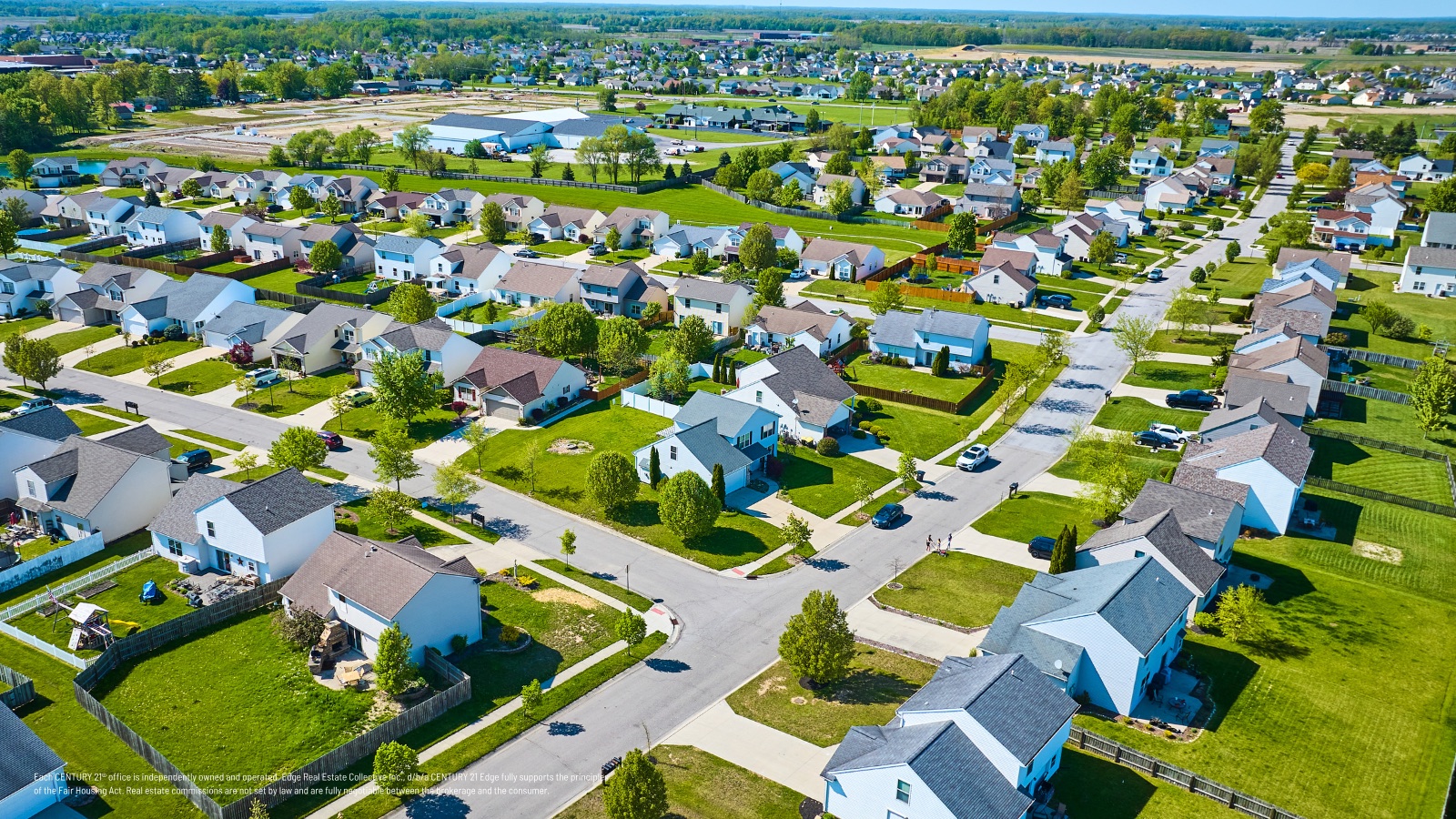
In a competitive real estate market where inventory remains tight and buyer demand fluctuates, smart agents are returning to a time-tested strategy with modern enhancements: circle prospecting. This approach—contacting homeowners near your new listings—creates opportunities in neighborhoods where you've already established a presence, maximizing your marketing effectiveness and generating valuable leads from a single listing.
Why Circle Prospecting Works in Today's Market
Circle prospecting leverages a powerful psychological principle: social proof. When neighbors see a home selling successfully in their area, they become more receptive to real estate conversations. Real estate professionals consistently observe that a significant majority of homeowners develop a heightened curiosity about their own property's value when a nearby home lists or sells. This natural interest creates an ideal opening for meaningful agent communication at precisely the moment when homeowners are already thinking about real estate. This timing advantage is what makes circle prospecting so much more effective than random outreach to homeowners who may not be in a real estate mindset.
Beyond psychology, there's practical value in geographic farming efficiency. Rather than spreading your marketing efforts across disconnected areas, circle prospecting concentrates your presence in neighborhoods where you already have a tangible demonstration of your services—a yard sign with your name on it.
The numbers back this approach: research from RealTrends shows that agents who systematically circle prospects around their listings average 2.5 additional transactions per year compared to those who don't—a substantial return on investment for a focused prospecting strategy.
The Modern Circle Prospecting System
Today's effective circle prospecting goes beyond the traditional door-knocking approach, though that remains valuable. A comprehensive system includes multiple touchpoints across various channels:
Pre-Listing Preparation
Before your listing hits the market, lay the groundwork for effective circle prospecting:
Create a neighborhood database with comprehensive contact information. Identify property owners within a 1-3 block radius (depending on property density) of your upcoming listing. Collect addresses, phone numbers, and email addresses using a combination of public records, previous farming efforts, and data services.
Prepare your value proposition specifically for this neighborhood. Research recent sales, average days on market, and price trends specifically for this micro-market. Understanding the hyperlocal dynamics gives you credibility when speaking with neighbors.
Develop neighborhood-specific marketing materials. Create digital and print pieces that highlight your knowledge of this specific area, not just generic market statistics.
Announcement Strategy: The First 48 Hours
The first 48 hours after a listing goes live create your highest-leverage opportunity for circle prospecting. Here's how to maximize this window:
Day 1: The Just Listed Package
Hand-deliver "Just Listed" packages to the 15-20 closest homes. These packages should include:
- A professional flyer featuring the listing
- Your neighborhood market update
- A personal note introducing yourself and inviting them to the upcoming open house
- A small, useful item branded with your information (neighborhood shopping guides, seasonal maintenance checklists, etc.)
This personal delivery creates opportunities for face-to-face interactions, the most effective form of prospecting. When neighbors are home, use this approach:
"Hello, I'm with . I've just listed your neighbor's home at , and I wanted to personally invite you to our open house this weekend before we open it to the general public. Many neighbors like to know who might be moving into their community, and sometimes they know someone looking to move into the area. May I ask—do you know anyone who might be interested in moving to this neighborhood?"
This script works because it:
- Offers value (early access to the open house)
- Appeals to a natural curiosity about neighborhood changes
- Includes a non-threatening referral request
- Opens the door to further conversation
Day 1-2: The Digital Announcement
Simultaneously with your in-person efforts, deploy digital outreach:
Send a "Just Listed" email to your neighborhood database. Include professional photos, property highlights, open house information, and an invitation to a "Neighbors Only" preview.
Launch a geotargeted social media campaign. Create Facebook and Instagram ads targeted specifically to users in that geographic area, announcing the new listing and offering a free neighborhood market report.
Make targeted phone calls to the 10 nearest homes. When calling neighbors, use this effective script:
"Hello, this is with . I'm calling because I've just listed your neighbor's home at . We're expecting significant interest in the property, and I wanted to reach out because sometimes neighbors know someone looking to move into the area. Would you happen to know anyone who might be interested in living in this neighborhood?"
Open House Strategy: Creating a Neighborhood Event
Transform your open house into a neighborhood event by creating special incentives for neighbors to attend:
Host a "Neighbors Preview" 30 minutes before the public open house. This exclusive window makes neighbors feel special and increases the likelihood of attendance.
Create conversation stations throughout the home. Have a team member or lender partner stationed in the kitchen with neighborhood market statistics, another in the living room with information about home values, and yourself greeting neighbors and answering questions.
Collect contact information with a specific neighborhood-focused approach:
"As a thank you for attending, I'd be happy to send you my quarterly report on home values specifically for this neighborhood. The next one comes out next month—would you like me to email that to you when it's ready?"
This approach feels less like lead collection and more like a valuable neighborhood service.
Follow-Up System: Maintaining Momentum
The days after your open house present critical opportunities to convert neighbor interest into appointments:
Day After Open House: The Thank You
Send personalized thank you emails to all neighbors who attended, including:
- A specific reference to your conversation
- Any information you promised to provide
- A soft invitation to connect about their real estate needs
For neighbors who expressed specific interest in valuation, call with this approach:
"I'm following up on our conversation yesterday about home values in the neighborhood. I've pulled some additional information about recent sales specifically on your street that I thought might interest you. Would it be helpful if I stopped by briefly this week to share this information?"
Weeks 2-3: The Market Activity Update
As your listing generates activity, share updates with the neighborhood:
Send a "Market Response Update" email detailing:
- Number of showings
- Feedback highlights (keeping specific details confidential)
- Any offers (once appropriate to share)
This keeps neighbors engaged in the process and builds anticipation for the eventual sale.
For homes that remain on the market longer than expected, turn this into an opportunity with this door-knocking approach:
"I wanted to give you a quick update on the home I'm selling on your street. We've had showings and received some helpful feedback. Several buyers mentioned they're specifically looking for that this home doesn't have. I'm curious—does your home have ? The reason I ask is that I have buyers actively looking in this neighborhood, and I'm trying to find homes that might better match their needs."
Post-Sale Leverage: Maximum Impact
Once your listing sells, you have another high-leverage opportunity for circle prospecting:
The Sold Announcement
Send "Just Sold" cards highlighting:
- The final sale price (if appropriate to share)
- How quickly the home sold
- The results compared to neighborhood averages
- A simple message: "Thinking about selling? I have buyers who missed out on this home still looking in your neighborhood."
The Value Validation Call
For neighbors who previously expressed interest, use this script:
"I wanted to let you know personally that the home at just sold for , which is above the average for the neighborhood. This sale has actually affected home values on your street, and I've updated my analysis of your home's potential market value. I'd be happy to share this updated information with you—would you prefer that by email, or should we schedule a quick in-person conversation?"
Digital Enhancements to Traditional Circle Prospecting
While in-person contact remains the foundation of effective circle prospecting, digital tools can significantly enhance your effectiveness:
Targeted Social Proof Advertising
Create before/after posts showcasing the transformation from listing to sale, including:
- Day 1: Just Listed announcement
- Updates on showings and interest
- Final sale announcement with results
Target these posts specifically to a 1-mile radius around the property using Facebook or Instagram's geographic targeting
Video Circle Prospecting
Create neighborhood-specific video content:
- Walking tour of the neighborhood highlighting lifestyle benefits
- Market update videos filmed at local landmarks
- Interview series with local business owners
Share these videos through geotargeted ads and in your follow-up communications with neighbors, positioning yourself as the neighborhood expert.
Automated Value Updates
Implement an automated home valuation tool on your website that allows neighbors to track their home's value over time. Use your circle prospecting to drive neighbors to this resource, creating long-term engagement opportunities.
Measuring Your Circle Prospecting ROI
To refine your approach over time, track these key metrics for each listing-based circle prospecting campaign:
- Contact acquisition: Number of new contacts added to your database
- Appointment conversion: Number of listing appointments generated
- Transaction conversion: Number of listings or buyer representations secured
- Cost per lead: Total campaign cost divided by new opportunities generated
- Geographic concentration: Percentage of your business coming from neighborhoods where you've previously had listings
By analyzing these metrics, you can identify which neighborhoods yield the highest return on your prospecting investment and refine your approach accordingly.
Common Circle Prospecting Mistakes to Avoid
Even experienced agents can fall into these common pitfalls when implementing circle prospecting:
Inconsistent follow-up: Many agents execute the initial contact effectively but fail to maintain communication, losing potential leads that weren't immediately ready.
Generic messaging: Failing to tailor your approach to the specific neighborhood diminishes your perceived expertise and reduces response rates.
Poor timing: Contacting neighbors too late after listing or selling the property reduces the natural interest generated by the listing activity.
Overly sales-focused approach: Leading with aggressive sales pitches rather than neighborhood information and value creates resistance.
Creating a Sustainable Circle Prospecting Calendar
To maximize effectiveness, integrate circle prospecting into your regular business planning:
For each new listing, block a specific time on your calendar for:
- Pre-listing neighborhood research and preparation
- Day 1 door-knocking (2-3 hours)
- Open house neighbor preview
- Post-open house follow-up calls
- Sale announcement activities
By treating these activities as non-negotiable appointments rather than "when I have time" tasks, you ensure consistent execution of your circle prospecting strategy.
Adapting to Different Neighborhood Types
Your circle prospecting approach should flex based on the type of neighborhood you're working in:
Urban/Condo Communities
In high-density settings where door-knocking may be restricted:
- Focus on digital outreach and building relationships with property managers or HOA board members
- Host lobby events rather than traditional open houses
- Create building-specific market reports highlighting unique factors affecting values in that specific building
Suburban Neighborhoods
In traditional single-family home areas:
- Expand your prospecting radius to 3-5 blocks where appropriate
- Incorporate school-focused information in your materials if it's a family-oriented neighborhood
- Consider seasonality in your approach (summer events vs. indoor activities)
Luxury Communities
In high-end neighborhoods where privacy is valued:
- Take a more subdued, exclusive approach
- Focus on providing genuine market insights rather than promotional materials
- Partner with luxury service providers for co-branded neighborhood events
Final Thoughts: Building Geographic Dominance
The most successful agents don't view circle prospecting as a one-time tactic but as a strategic approach to building geographic dominance. By consistently leveraging each listing to deepen your presence in specific neighborhoods, you create a flywheel effect where each success builds upon previous efforts.
Experienced industry professionals consistently observe that agents who focus on geographic farm areas demonstrate substantially greater business resilience during market downturns compared to those who spread their efforts across disconnected areas. This stability comes from the deeper community connections, stronger referral networks, and more efficient marketing that geographic concentration provides. When the market slows, these geographic specialists can leverage their established reputation and relationships to maintain transaction volume while others struggle to generate business.
Circle prospecting isn't just about generating immediate leads—it's about building a sustainable business foundation. Each conversation with a neighbor, each market update shared, and each relationship established contributes to your reputation as the go-to agent in that community. When done systematically, this approach transforms your business from constantly chasing new opportunities to having a steady stream of neighbors who naturally turn to you when real estate needs arise.
In an industry where the average agent struggles to maintain consistent lead flow, effective circle prospecting provides something invaluable: predictable opportunity generation from the listings you're already working hard to sell. By implementing these strategies consistently, you'll not just sell individual properties more effectively—you'll build a thriving business neighborhood by neighborhood