The Edge Blog · Beyond the Sale · August 1, 2024 · 5 min read
Disaster Preparedness: Providing Value to Past Customers Through Educational Resources
When natural disasters strike, people turn to trusted sources for guidance. As a real estate professional who has helped customers with their most significant investment, you're uniquely positioned to be that trusted voice before, during, and…
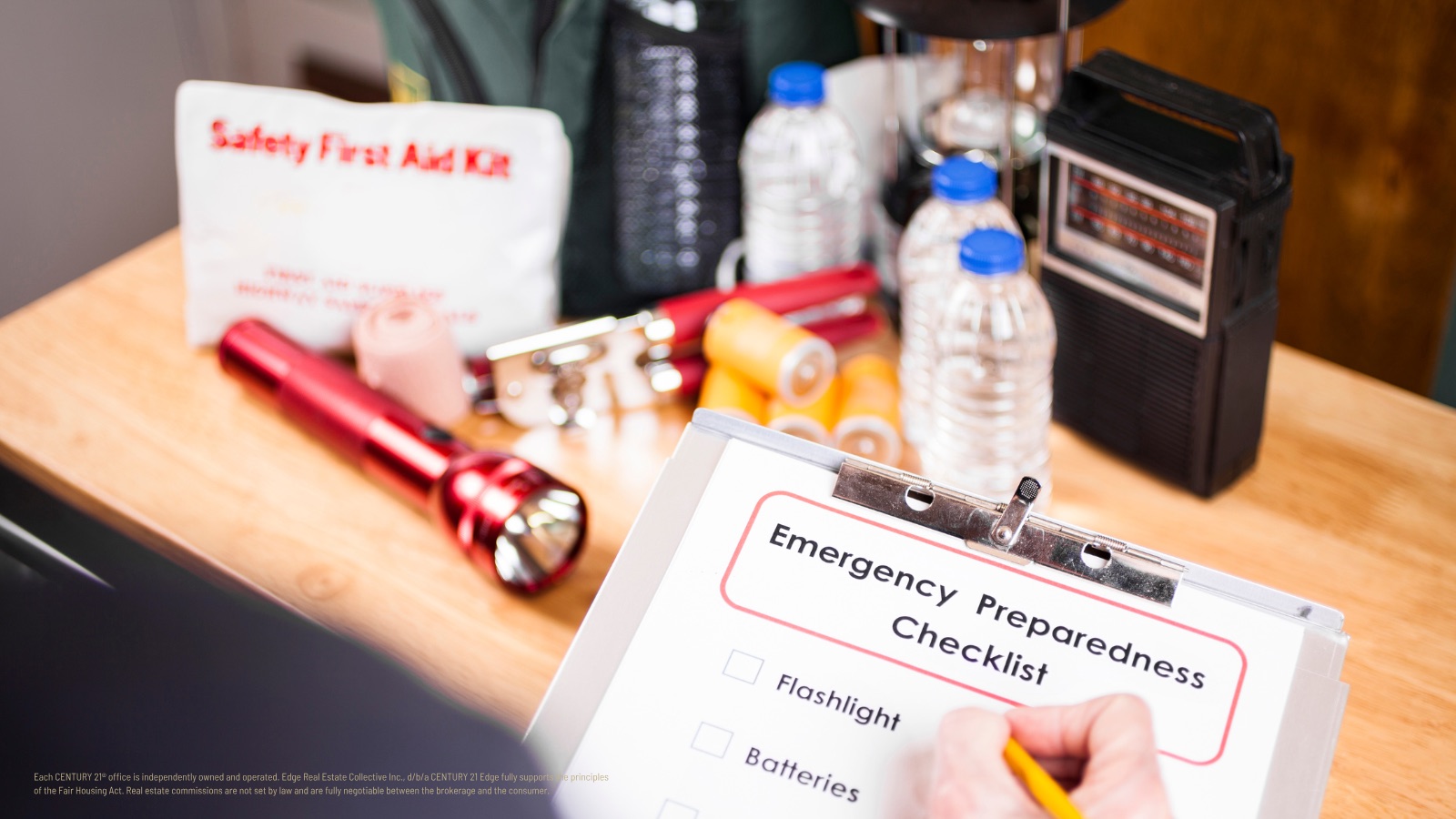
When natural disasters strike, people turn to trusted sources for guidance. As a real estate professional who has helped customers with their most significant investment, you're uniquely positioned to be that trusted voice before, during, and after emergencies. Creating disaster preparedness resources isn't just community service—it's relationship nurturing that demonstrates your long-term commitment to customers' well-being.
Why Disaster Preparedness Matters in Customer Relationships
The weeks following a home purchase are filled with communication. Then, as the excitement settles, touchpoints often become less frequent. Disaster preparedness resources provide meaningful reasons to reconnect while delivering genuine value that transcends the typical "just checking in" message.
A striking disconnect exists in how homeowners approach emergency planning. Despite experiencing weather-related emergencies with increasing frequency across much of the country, the vast majority of Americans remain underprepared for disasters that could threaten their families and properties. Emergency management professionals consistently observe that most households lack even basic preparation elements like evacuation plans, emergency supplies, or proper insurance coverage. This widespread preparation gap creates a meaningful opportunity for you to provide essential guidance while strengthening customer relationships in a way that demonstrates genuine care for their wellbeing beyond the real estate transaction.
Creating Seasonal Preparedness Resources
Different regions face different threats throughout the year. By creating a calendar of seasonal preparedness content, you can provide timely, relevant information that customers will appreciate and remember.
Spring: Flood and Severe Weather Season
Spring brings renewal—and often flooding. Develop resources that address home maintenance tasks that prevent water damage during spring storms. Include insurance review reminders, especially for flood insurance, which typically has a 30-day waiting period. Create guides for emergency communication plans for families during severe weather and information on how to register for local emergency alert systems.
A simple email with the subject line "Three Things Every Homeowner Should Check Before Spring Storms Arrive" provides valuable information while reinforcing your role as a trusted advisor.
Summer: Hurricane and Wildfire Season
For many regions, summer brings heightened hurricane or wildfire risk. Create resources focused on hurricane preparation checklists for different timeframes (season start, 72 hours before, 24 hours before). Include information about home hardening techniques to reduce wildfire vulnerability, evacuation planning that includes considerations for pets, and document protection strategies for essential records.
Consider hosting a virtual workshop with local emergency management officials, inviting past customers to attend and learn directly from experts.
Fall: Preparation and Prevention Focus
Fall presents an ideal time to focus on home protection before winter weather arrives. Share insights on seasonal home maintenance to prevent damage from winter storms and information about emergency power options and their safety considerations. Include guidance on cold-weather pipe protection strategies and reminders about insurance coverage reviews before year-end.
A "Winter-Ready Home Checklist" delivered in early fall demonstrates your proactive approach to customer care.
Winter: Indoor Safety and Recovery Planning
Winter's focus shifts indoors, making it perfect for guidance on indoor emergency preparedness like fire safety and carbon monoxide detection. Provide information about emergency heating options during power outages, post-disaster recovery planning, and financial preparedness for emergencies.
A resource titled "Building Your Family's Emergency Financial First Aid Kit" provides valuable guidance that extends beyond standard disaster advice.
Delivery Methods That Create Connection
The way you deliver preparedness information can significantly impact its effectiveness and your relationship-building goals:
Seasonal Direct Mail Packages
Physical mail with refrigerator-worthy information creates tangible reminders of your value. Consider seasonal postcards with QR codes linking to more detailed online resources.
"I created these preparedness guides for your family because I care about more than just helping you buy or sell a home—I care about helping you protect it," shows authentic concern beyond transactions.
Digital Resource Library
Develop a comprehensive disaster preparedness section on your website, organized by disaster type and season. This becomes a valuable reference point you can direct customers to throughout the year.
An email saying, "I've just updated our Hurricane Preparation Guide with new evacuation routes and shelter information for 2023," provides a service-oriented reason to reconnect.
Community Workshops
Partner with local emergency management officials, insurance agents, and home security experts to host seasonal preparedness workshops. These events create in-person connection opportunities while positioning you as a community resource.
Following up with attendees to provide additional resources reinforces your commitment to their welfare.
Making It Personal and Relevant
Generic information rarely creates an emotional connection. Customize your approach by acknowledging specific risks in your customer's neighborhood and referencing the unique features of their property, such as coastal locations or wooded lots. Provide resources specific to their family situation, considering factors like pets, elderly family members, or children. Connect them with local resources relevant to their specific needs.
A message that says, "Since your home is in the Oak Ridge neighborhood, I wanted to share this updated evacuation map that includes the new route through Westfield Drive," demonstrates your attention to their specific circumstances.
Beyond Information: Creating Community Resilience
The most valuable disaster preparedness resources foster community connections. Consider creating:
- Neighborhood preparedness contact lists
- Community emergency resource directories
- Volunteer opportunities for disaster response
- Mutual aid frameworks for neighbors helping neighbors
By facilitating these connections, you strengthen not just your customer relationships but entire communities—amplifying your impact and visibility.
The Compounding Return on Investment
The effort you invest in disaster preparedness resources yields multiple returns. You'll build stronger customer relationships that lead to referrals and position yourself as a community leader with expertise beyond transactions. You'll likely see increased social media engagement when sharing preparedness content, and experience the profound satisfaction of potentially helping customers avoid or mitigate disaster impacts.
Most importantly, you create the kind of meaningful value that transforms a business relationship into something deeper, trusting customers to refer you to their friends and family because they know you truly care about their well-being beyond the commission check.
By integrating disaster preparedness education into your customer care program, you demonstrate that your commitment extends far beyond closing day, creating the foundation for lasting relationships and a resilient referral-based business.