
The Edge Blog · Listing Mastery · February 21, 2025 · 4 min read
How to Sell a House That Smells Like Wet Dog and Bad Decisions
Every real estate agent has faced that one listing. You open the front door, and WHAM—your nose is hit with a scent so powerful it could be bottled as a weapon-grade deterrent. A mix of damp…
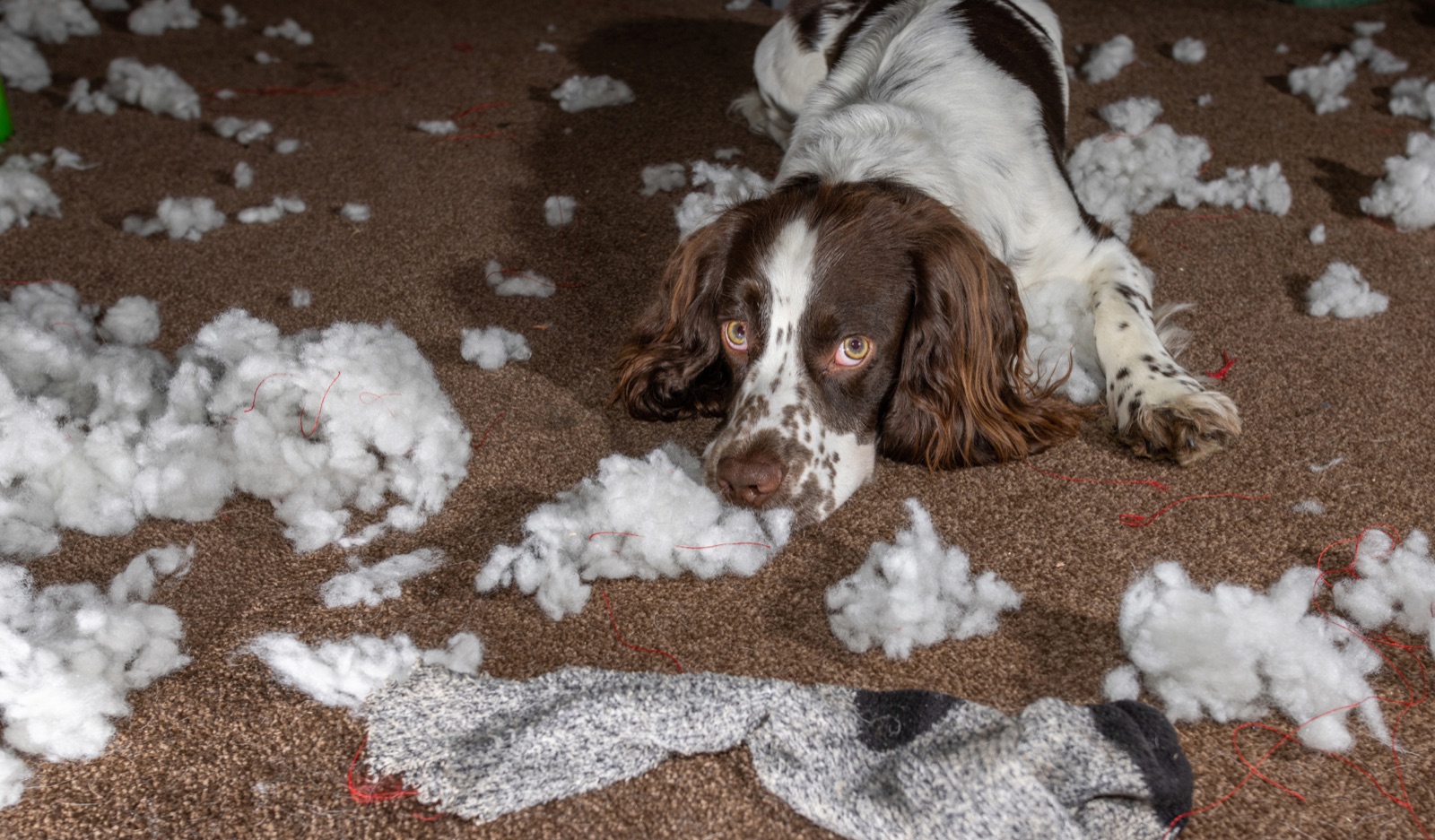
Every real estate agent has faced that one listing. You open the front door, and WHAM—your nose is hit with a scent so powerful it could be bottled as a weapon-grade deterrent. A mix of damp carpet, mystery casseroles from 1997, and something that might be a pet but could also be a forgotten gym bag from a decade ago.
This, my friend, is where your true skills as an agent come in. Because curb appeal means nothing if buyers are holding their breath during showings. Let’s fix it.
Step 1: Identify the Culprit
Sometimes, the seller is blissfully unaware of the problem. They’ve been marinating in the smell for so long that their nose has tapped out. If the home reeks of an animal shelter on a humid day, pet-related issues are at play. If there’s a mix of musty old socks and sadness, suspect mildew or a hidden water leak. The worst-case scenario? A mystery food odor that suggests something was left too long in a fridge… or worse.
Other times, the culprit isn’t just one thing but a toxic cocktail of bad habits. A house that’s been the go-to party spot for the last decade? That scent of stale beer and regret lingers. A place where an aspiring chef experimented with too many exotic spices? That air fryer didn’t stand a chance. The good news? Any stink can be tackled with the right approach.
Step 2: Declare War on the Stink
There’s no marketing strategy in the world that can outshine an odor problem. Buyers don’t want to live in someone else’s fragrance choices, especially when those choices scream “poor life decisions.” Deep cleaning is non-negotiable—carpets must be shampooed or replaced, walls scrubbed, and any suspect upholstery removed or refreshed. If the smell has seeped into the walls, an ozone machine might be the only hope.
Let the house breathe by opening windows and running fans. Forget heavily scented candles and plug-ins—they don’t eliminate smells, just add to the horror show. Stick to baking soda, activated charcoal, and fresh air to neutralize odors. For extreme cases, repainting walls and replacing old HVAC filters can make a world of difference.
Step 3: Train the Seller Like a Show Dog
Smells creep back faster than a rejected offer, so the seller has to commit to a fresh-smelling lifestyle. That means no cooking fish, garlic, or anything overly pungent before showings. Smoking indoors—even “just in the garage”—must stop immediately. Pets may need a temporary relocation, or at the very least, their essence must be managed. Wet towels fermenting in the bathroom? Gone. Overflowing trash bins? Not on your watch.
If the seller has a pet, they need to take extra precautions. Litter boxes must be pristine, dog beds washed, and any pet accidents on the carpet professionally treated. Even if the house is spotless, a buyer with allergies will be instantly turned off if they get a whiff of pet dander.
Step 4: The Psychological Warfare of Staging
Even if the smell is technically gone, the memory lingers. That’s where staging becomes a powerful tool. Fresh flowers, crisp linens, and natural light create a subconscious association with cleanliness. A little coffee brewing or a light batch of fresh-baked cookies won’t hurt, either.
Beyond aesthetics, think about temperature control and air circulation. A home that’s stuffy or humid will make any lingering scent worse. Run dehumidifiers if needed, and keep the house comfortably cool for showings.
If the home still has a hint of eau de disaster, a touch of humor in marketing can go a long way:
“This home has personality—and with just a little TLC (and maybe an exorcism for that old carpet), it will be a dream come true.”
“Love pets? You’re in luck—this home’s previous owners did, too! But don’t worry, we’ve done the work to make sure it’s fresh and ready for its next adventure.”
Step 5: Know When to Bring in the Pros
Sometimes, no amount of scrubbing or DIY tricks will fully erase a home’s history of questionable scent choices. This is when a professional cleaning service is worth every penny. Odor remediation specialists can tackle everything from cigarette smoke to deeply embedded pet smells with industrial-strength treatments that aren’t available at your local home improvement store.
In extreme cases, it might be time for some bigger fixes. Replacing old carpeting, resealing wood floors, and even tearing out cabinets that have absorbed decades of mystery cooking aromas can be necessary to make a home truly fresh.
Closing the Deal Without Holding Your Breath
Once the stink is tackled, the house will actually have a fighting chance in the market. And when you finally hand over those keys to the buyer, you’ll know you didn’t just sell a house—you performed an olfactory miracle.
Some listings require a little extra work, but that’s where the right support system makes all the difference. If you’re an agent who’s tired of dealing with the toughest listings alone, it’s time to work with a brokerage that’s got your back. At CENTURY 21 Edge, we turn even the trickiest listings into SOLD signs. Want to learn more? Visit the careers page or call 844.CALL.C21 today!