The Edge Blog · Leasing Commercial Space · February 23, 2025 · 4 min read
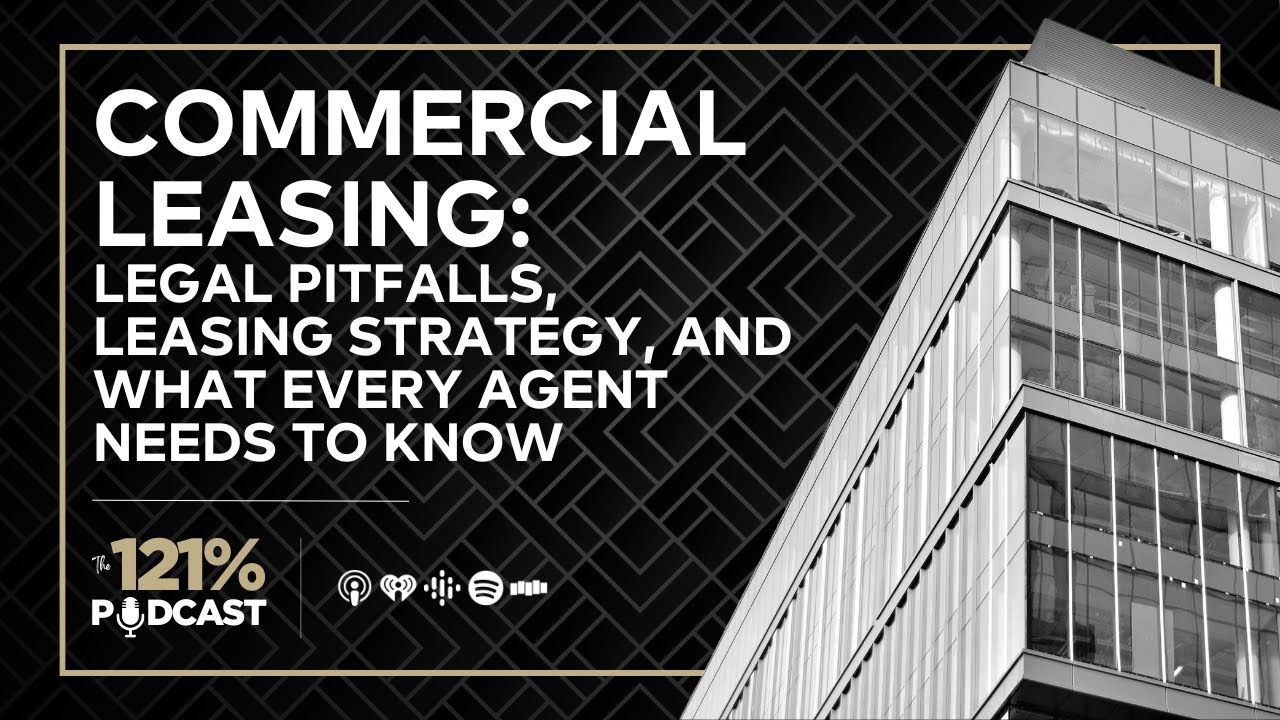
Understanding Commercial Lease Agreements: A Beginner’s Guide
Signing a commercial lease is a big step for any business, but it can also be overwhelming if you’re not familiar with the terminology. Unlike residential leases, commercial agreements come with more complex terms, longer commitments,…

Signing a commercial lease is a big step for any business, but it can also be overwhelming if you’re not familiar with the terminology. Unlike residential leases, commercial agreements come with more complex terms, longer commitments, and a lot of fine print that can impact your bottom line. If you're new to leasing commercial space, understanding the basics can help you avoid costly mistakes and negotiate a deal that works for your business.
How Commercial Leases Work
A commercial lease is a legally binding contract between a landlord and a business tenant outlining the terms for renting a property. These agreements are typically longer than residential leases, often ranging from three to ten years, and can be highly negotiable. Unlike a standard apartment lease where you pay a fixed monthly amount, commercial leases can vary in cost structure. Some require the tenant to pay only rent, while others include additional expenses such as property taxes, maintenance, and insurance.
The three most common types of commercial leases are:
- Gross Lease (Full-Service Lease) – You pay a set monthly rent, and the landlord covers most property expenses.
- Net Lease (Single, Double, or Triple Net Lease) – You pay rent plus some or all of the building’s operating expenses. Triple Net (NNN) leases, where tenants pay for property taxes, insurance, and maintenance, are very common in retail and office spaces.
- Modified Gross Lease – A middle ground where both landlord and tenant share certain expenses.
Before signing anything, it's important to know what type of lease you’re agreeing to because it will affect your overall costs.
Key Terms Every Tenant Should Know
Commercial leases contain clauses that define the responsibilities of both parties. Some of the most important ones to understand include:
- Lease Term and Renewal Options – How long the lease lasts and whether you have the option to extend it. A longer lease may secure a lower rental rate, but it also locks you in for a longer period.
- Rent Escalation – Some leases include built-in rent increases based on a fixed percentage or tied to inflation. Make sure you know how much your rent will rise over time.
- Common Area Maintenance (CAM) Fees – These cover shared building expenses like landscaping, security, and parking lot maintenance. If you’re responsible for CAM fees, check if there’s a limit on how much they can increase annually.
- Use Clause – Defines what type of business you can operate in the space. Some landlords have strict limitations, so confirm that your intended use is allowed.
- Exclusivity Clause – Protects your business by preventing the landlord from renting nearby spaces to direct competitors. If you’re opening a coffee shop, for example, you may want an exclusivity clause preventing another café from moving in next door.
- Sublease and Assignment – If you need to relocate or downsize, can you sublease the space to another tenant? Some leases prohibit this, while others allow it with landlord approval.
- Personal Guarantee – Many landlords require a personal guarantee, meaning if your business can’t pay rent, you are personally responsible. If possible, try to negotiate limits on this to protect your personal assets.
Understanding these terms will help you make informed decisions and avoid surprises later.
Negotiating a Lease That Works for You
Most commercial lease terms are negotiable, so don’t assume you have to accept everything as-is. Before signing, consider what terms you’d like to improve. Can you negotiate a lower base rent, free rent for a few months, or a cap on annual rent increases? If the space needs improvements, ask if the landlord will provide a Tenant Improvement Allowance (TIA) to cover renovation costs.
You should also review exit clauses in case you need to move before your lease is up. Some agreements allow for early termination with a penalty, while others may require you to pay rent for the full lease term no matter what.
A well-negotiated lease can save you thousands of dollars over time, so take the time to review every detail. Working with a commercial real estate broker or real estate attorney can help you secure the best possible deal and avoid common pitfalls.
Final Thoughts
Signing a commercial lease is one of the biggest financial commitments your business will make, so it’s crucial to understand what you’re agreeing to. Knowing the key terms, cost structures, and potential negotiation points will help you protect your business and secure a lease that supports your long-term success.
If you need expert guidance in finding the right space and negotiating favorable lease terms, CENTURY 21 Edge is here to help. Contact us today to make sure your next lease is the right fit for your business.