The Edge Blog · Advertising + Marketing · January 15, 2025 · 9 min read
Video Marketing Essentials: How to Create Property Tours That Convert Leads
In today's digital-first real estate market, a compelling video tour can be the difference between a property that sits and one that sells. As we move through 2025, video content isn't just a marketing nice-to-have—it's an…
 Kevin JohnsonCEO & Managing Broker
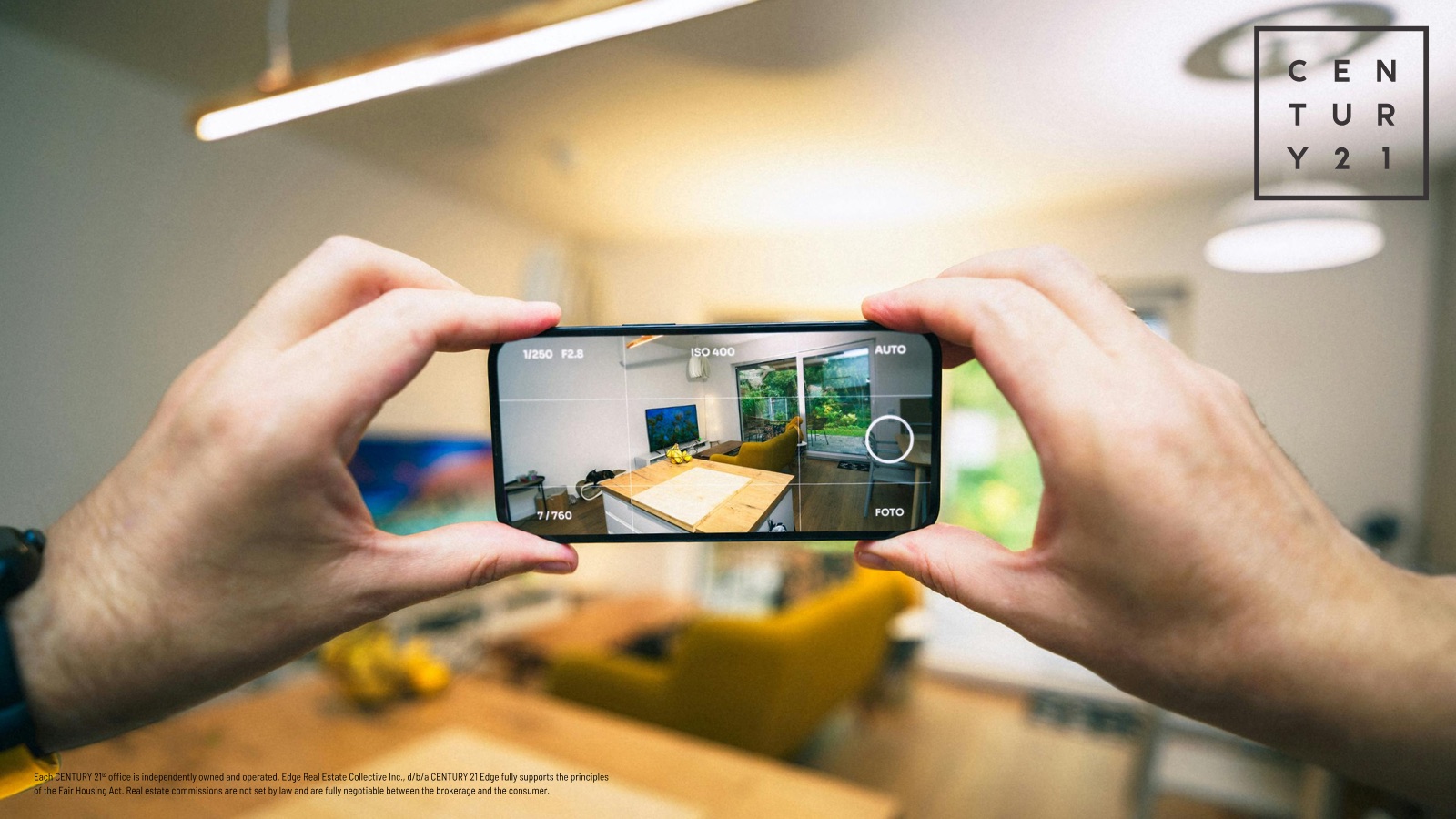
In today's digital-first real estate market, a compelling video tour can be the difference between a property that sits and one that sells. As we move through 2025, video content isn't just a marketing nice-to-have—it's an essential tool that can dramatically increase engagement, generate quality leads, and ultimately close more deals.
Why Video Tours Matter Now More Than Ever
Our experience at CENTURY 21 Edge has revealed just how dramatically video tours impact listing performance. After analyzing hundreds of transactions across our brokerage, we've seen a clear pattern emerge: properties marketed with professional video tours consistently generate substantially more inquiries and sell faster than those using photos alone. This matches what our agents hear directly from customers during consultations—the vast majority express a strong preference for working with professionals who embrace video marketing as part of their property promotion strategy. We've found that video creates an immediate competitive advantage in nearly every price point and market segment.
Beyond the numbers, there's a simple truth: video creates an emotional connection that photos alone cannot achieve. It gives potential buyers the sense of "being there" and helps them envision themselves living in the space—a crucial psychological step in the buying process.
Essential Equipment: Quality Without Breaking the Bank
The good news? Creating professional-looking video tours doesn't require Hollywood-level equipment. Your smartphone can be your best friend in this endeavor, especially if it's a recent model (iPhone 12 or newer, Samsung Galaxy S21 or newer). Pair it with a smartphone gimbal stabilizer ($80-150) to eliminate shaky footage, an external microphone ($30-60) for clear audio, and a wide-angle lens attachment ($20-50) to capture more of each room in a single shot.
For those looking to level up, consider investing in a portable LED light panel ($40-100) for consistently well-lit interiors, a drone for compelling aerial footage (entry-level options start around $400), or a 360° camera for immersive virtual tours ($200-400).
Remember, equipment is just the vehicle—your knowledge of the property and market is the real driver of conversion. A thoughtfully narrated tour shot on a smartphone will outperform fancy footage that lacks substance every time.
The Pre-Production Checklist: Preparation Makes Perfect
Before you hit record, take time to prepare. This pre-production phase often determines the success or failure of your video tour.
Start with proper property preparation. Ensure the home is professionally staged or at least thoroughly decluttered. Open all blinds and curtains to maximize natural light, and turn on all lights, including closets and under-cabinet lighting. Remove personal photos and excessive décor, and check for distractions like pet items or visible trash cans.
Next, create a shooting plan. Map your route through the home, identify 3-5 key selling features to highlight, and script your introduction and conclusion. Prepare notes about neighborhood amenities and benefits, and check the weather forecast to plan the best time for exterior shooting.
Finally, handle the technical setup. Charge all equipment fully, set your phone to "Do Not Disturb" mode to avoid interruptions and clear storage space for video files. Test audio levels in different rooms and practice with your stabilizer before the actual shoot.
Pro Tip: Visit the property before your scheduled shoot day to identify the best angles, lighting challenges, and standout features. This reconnaissance will pay dividends in your final product.
The 7-Step Filming Framework
Follow this proven structure to create tours that not only showcase the property but also generate genuine buyer interest:
1. The Attention-Grabbing Introduction (15-20 seconds)
Begin with a compelling opening that showcases the property's most impressive feature—perhaps the stunning view, architectural detail, or renovated kitchen. Introduce yourself briefly and set expectations for what viewers will see.
"Welcome to 123 Maple Street, where modern luxury meets classic charm. I'm with , and I'm excited to show you this exceptional 4-bedroom home in the heart of Riverside."
2. The Establishing Context (30-45 seconds)
Before entering, provide context by showing the exterior from several angles, the street view to highlight neighborhood character, proximity to amenities like parks and schools, and any outdoor living spaces. This orientation helps viewers situate the property and understand its relationship to its surroundings.
3. The Logical Flow-Through (2-3 minutes)
Move through the home in a logical sequence that mirrors how someone would naturally explore the space. Start at the entryway, move through public spaces like the living room and kitchen, transition to private spaces such as bedrooms and offices, and end with special features like the basement or outdoor areas. Maintain a steady, unhurried pace that allows viewers to absorb each space.
4. The Feature Highlights (1-2 minutes)
Return to 3-5 standout features for more detailed coverage. This might include the gourmet kitchen with custom cabinetry, the primary suite with spa-like bathroom, a recently renovated basement, professional landscaping, or smart home features. This is where you can slow down and provide more detailed commentary on what makes these features special.
5. The Neighborhood Assets (30-45 seconds)
Include footage or graphics highlighting school district information, walkability score, proximity to transportation, local dining and shopping options, and parks and recreation opportunities. Through our work with thousands of buyers across Central Florida, we've learned that neighborhood quality consistently emerges as the most influential factor in home purchase decisions. Our CENTURY 21 Edge agents report that property videos that include comprehensive neighborhood information not only receive more inquiries but also attract more qualified and motivated buyers. Our internal data shows that when neighborhood amenities are properly highlighted, potential buyers arrive at showings already envisioning their daily life in the community, significantly accelerating the decision-making process.
6. The Practical Information (20-30 seconds)
Provide key details buyers need, such as square footage and lot size, year built and recent renovations, property taxes and HOA fees (if applicable), special features not immediately obvious like a new roof or HVAC system, and energy efficiency ratings or certifications. Consider adding these as text overlays to reinforce the information visually.
7. The Call-to-Action Conclusion (15-20 seconds)
End with a clear, low-pressure invitation. Mention upcoming open houses, offer private showings, direct viewers to your website for more information, suggest reaching out with questions, and thank viewers for their time.
"Thanks for touring 123 Maple Street with me today. If you can imagine yourself calling this place home, I'd love to show you around in person. Contact me at to schedule a private showing, or visit for more details. This exceptional property won't last long in today's market!"
Post-Production Magic: Elevating Your Final Product
The editing phase is where good footage becomes a great tour. Start with basic enhancements by trimming dead space and mistakes, stabilizing any shaky footage, adjusting brightness and contrast for consistency, balancing audio levels, and adding subtle background music (royalty-free, of course).
To add professional touches, consider incorporating text overlays for key features and specifications, a branded intro and outro, neighborhood maps or school district information, floor plans as transition elements, and testimonials from neighbors or previous customers (with permission).
If editing isn't your strong suit, consider using user-friendly apps like InShot or Videoleap, or outsourcing to affordable editing services on platforms like Fiverr, where basic real estate video editing starts around $20-40 per video.
Distribution Strategy: Getting Eyes on Your Virtual Tour
Creating a great video is only half the battle—you need a strategic distribution plan to maximize its reach. Start by uploading to MLS, Zillow, Realtor.com, and other listing sites. Feature the video prominently on your website's property page, and consider creating a dedicated landing page for high-end properties.
For social media, post the full tour on YouTube (optimized with keywords), create a 60-second highlight reel for Instagram and Facebook, share 15-30-second teasers on TikTok and Instagram Reels, post a virtual walkthrough on Facebook Business, and share behind-the-scenes content on Instagram Stories.
Don't forget email marketing. Send the video to your buyer database with property specifications, include it in your regular newsletter, and create targeted campaigns for investors if the property is appropriate for that market. Add lead capture mechanisms like contact forms before or after the full video, offer additional information such as neighborhood guides in exchange for contact details, and use Facebook Lead Ads when promoting video snippets.
Measuring Success: Beyond Views and Likes
To truly understand your ROI, track key metrics such as your view-to-inquiry ratio (what percentage of viewers contact you), time spent watching (where do viewers drop off and which sections engage them most), social sharing (are people sharing your tours with others), comment sentiment (what aspects of the property generate positive comments), and lead quality (are video-generated leads more qualified than those from other sources).
Tools like YouTube Analytics, Facebook Insights, and Google Analytics can help you gather this data to refine your approach over time
Common Mistakes to Avoid
Even experienced agents can fall into video marketing pitfalls. Going too long is a common issue—keep full tours under 5 minutes, as attention spans are limited. Avoid narrating every single detail; instead, focus on key selling points rather than cataloging every feature. Poor lighting can undermine quality perception, while unstabilized footage creates a jarring, amateur impression.
Background noise from air conditioners, traffic, or other ambient sounds can distract viewers, so monitor your audio quality carefully. Over-editing with heavy filters, too many transitions or excessive effects look unprofessional. And don't forget about mobile viewers—many will watch on phones, so ensure text is readable on small screens.
Adapting to Different Property Types
Different properties require different approaches. For luxury properties, consider a longer, more cinematic treatment with drone footage of the property and surroundings, emphasis on lifestyle and exclusivity, professional narration or music, and night footage showcasing lighting and ambiance.
When showcasing starter homes, focus on practicality and potential, highlight proximity to amenities and commute routes, showcase storage solutions and flexible spaces, address common first-time buyer concerns, and emphasize affordability factors and financing options.
For fixer-uppers, show potential through digital staging or overlays, highlight good bones and structural advantages, provide renovation cost estimates or examples, include before/after footage of similar properties, and focus on neighborhood appreciation and investment potential.
The Future of Property Video Tours
As we move through 2025, keep an eye on emerging trends like AI-enhanced tours that automatically identify and label rooms and features, interactive video allowing viewers to click on areas of interest for more information, AR integration enabling viewers to virtually place their furniture in the space, live-streamed open houses with real-time Q&A and sentiment analysis using AI to analyze viewer reactions and optimize future tours.
Final Thoughts: Authenticity Converts
While technical quality matters, authenticity remains the most powerful element in video marketing. Let your personality shine through, speak with genuine enthusiasm about features you truly appreciate, and focus on helping viewers make an informed decision rather than just selling to them.
Remember, the goal isn't just to showcase a property—it's to begin a relationship with potential buyers who connect with your approach and expertise. When you view your video tours as conversation starters rather than standalone marketing pieces, you'll naturally create content that converts viewers into customers and customers into closed deals.
By implementing these video marketing essentials, you'll not only showcase properties more effectively but also position yourself as a tech-savvy, detail-oriented agent who goes the extra mile—exactly the kind of professional today's buyers and sellers are looking for.
Kevin JohnsonCEO & Managing BrokerWork with Kevin